

-

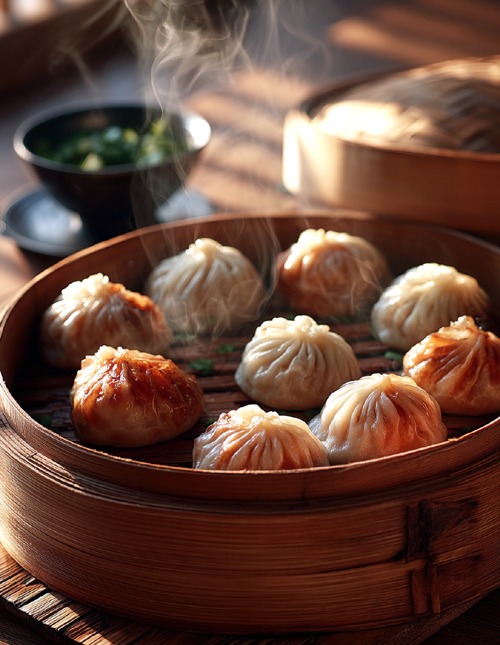
- Dim Sum
-
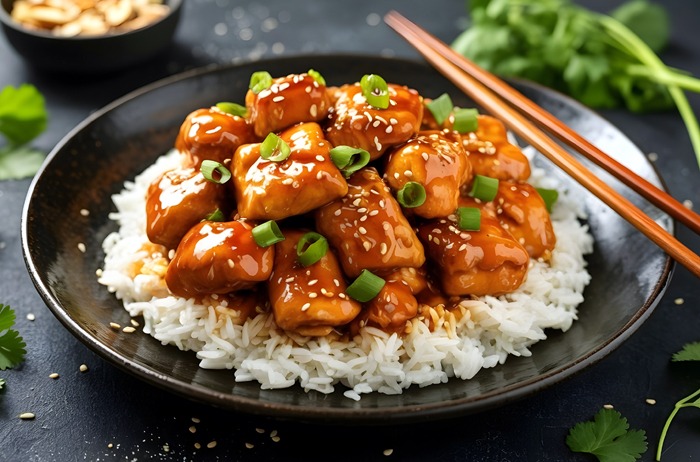
- Kung Pao Chicken
-
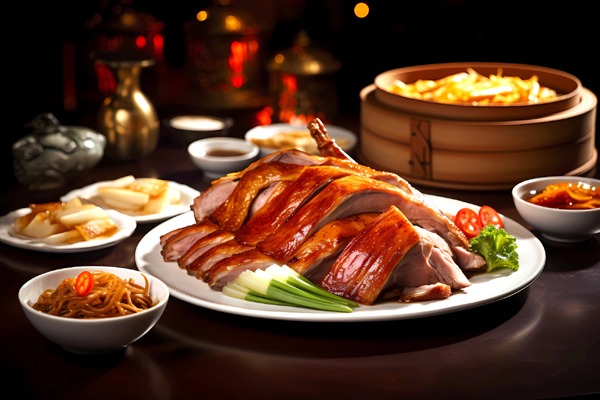
- Peking Duck
China
A Taste of China
Exploring the World’s Most Beloved Cuisine
Few cuisines in the world rival the global reach and rich diversity of Chinese food. From humble street stalls to fine dining restaurants, Chinese cuisine has captured the hearts — and taste buds — of millions around the world. Deeply rooted in history, philosophy, and geography, it’s a culinary tradition that reflects balance, harmony, and the artistry of turning simple ingredients into unforgettable dishes.
China’s vast size and regional diversity mean that “Chinese food” is not one single style but an entire universe of flavors. The country’s cuisine is typically divided into eight great culinary traditions — Sichuan, Cantonese, Shandong, Jiangsu, Fujian, Hunan, Anhui, and Zhejiang — each offering its own distinctive tastes, cooking techniques, and ingredients.
Cantonese cuisine, originating from Guangdong province, is perhaps the most internationally recognized. Known for its subtle seasonings and fresh ingredients, it emphasizes letting natural flavors shine. Famous dishes like dim sum, sweet and sour pork, and steamed fish with ginger and scallions highlight this delicate balance. In Hong Kong, the daily ritual of dim sum — sipping tea while sharing small bamboo baskets of dumplings, buns, and rolls — is a social experience as much as a meal.
On the other end of the flavor spectrum lies Sichuan cuisine, celebrated for its bold, fiery character and the numbing heat of the Sichuan peppercorn. Dishes such as Kung Pao chicken, mapo tofu, and hot pot deliver layers of spice, sweetness, and tang that create a sensory adventure. The region’s signature “mala” (numbing and spicy) sensation has become so popular that Sichuan-style restaurants now thrive in cities across the globe.
Northern China offers a different story — one of wheat fields and hearty comfort food. Here, hand-pulled noodles, steamed buns, and dumplings reign supreme. Beijing’s famed Peking duck, with its crisp skin and tender meat wrapped in thin pancakes with scallions and hoisin sauce, remains a timeless classic. Meanwhile, street food markets in Xi’an serve steaming bowls of biang biang noodles and roujiamo, often described as the Chinese version of a sandwich.
In the east, the cuisines of Shanghai and Jiangsu focus on refinement and sweetness. Red-braised pork belly and sweet-and-sour Mandarin fish showcase an elegant blend of savory and sugary flavors. Down south in Fujian, seafood dominates, with dishes like Buddha Jumps Over the Wall — an intricate soup of abalone, scallops, and other delicacies — exemplifying the region’s love of umami-rich broths.
Chinese cuisine is not just about taste but philosophy. Traditional cooking draws on the concept of yin and yang, seeking balance between hot and cold, spicy and mild, soft and crisp. Every meal is designed to create harmony — both in flavor and in health.
Today, Chinese food has transcended borders. From London’s Chinatown to New York’s Flushing, from Singapore’s hawker stalls to Vancouver’s dim sum parlors, Chinese cuisine continues to evolve and adapt, blending local ingredients with timeless techniques.
Whether it’s the comforting warmth of a noodle soup, the precision of a dim sum chef’s folding skills, or the fiery punch of Sichuan peppercorns, Chinese food tells a story of a civilization that has mastered the art of transforming the everyday into the extraordinary. It’s no wonder it remains one of the most popular — and most beloved — cuisines on Earth.


