

Mexico
Acapulco Escapades, Guerrero State, Mexico
Article and photography by Steve Gillick
A travel escapade involves excitement, daring, and adventure, with experiences encompassing nature, drink, gastronomy, nightlife, thrills, history, culture, and imagination. These are, in fact, the very components that tag-team to create a memorable Acapulco getaway.
The view from the balcony of my 22nd-floor Sea View room at Hotel Amares provided the initial inspiration for my third visit to Acapulco. The property is located on the Costa Azul, or Blue Coast, defined by a beachfront of soft white sand curving around Acapulco Bay. Daytime views include neighbourhoods scattered along the lower reaches of the Sierra Madre del Sur and further across the Bay, the photogenic island of Islote El Morro. Nighttime views showcase the gleam of lights from dwellings on the mountainside, the glow from resort patios along the sand, and the soothing sounds of lapping water.
Early morning strolls from the hotel provided a relaxed glimpse into Acapulco life, where the walk to El Morro Beach takes about 20 minutes. Joggers and other early risers greeted me with “Buenos días” as I passed by figures of Buddhas and pirates accenting popular seaside bars; statues of soccer-ball-headed Catríns (the male equivalent of the skeletal Catrina) honouring Mexico’s FIFA soccer connection; ornately decorated passenger buses, including one with “Pesa Dilla on Elm Street” (a play on Nightmare on Elm Street) boldly slashed above the driver’s window; the warming aroma of morning coffee brewing in OXXO convenience stores; and colourful murals celebrating the flora and fauna of the Acapulco region.
The Jardín Botánico de Acapulco is a beautiful place to satisfy any budding interest in plants and wildlife. Along with its 1,200 plant species, arboretum, and waterfalls, the gardens are home to frogs, turtles, butterflies, dragonflies, lizards, the occasional coati, and many birds. Aside from the West Mexican Chachalaca, a chicken-sized, long-tailed bird that roosts in trees and emits a chattering “cha-cha-laca” call we spotted White-throated Magpie-Jays, Inca Doves, Golden-cheeked Woodpeckers, and Yellow-winged Caciques.
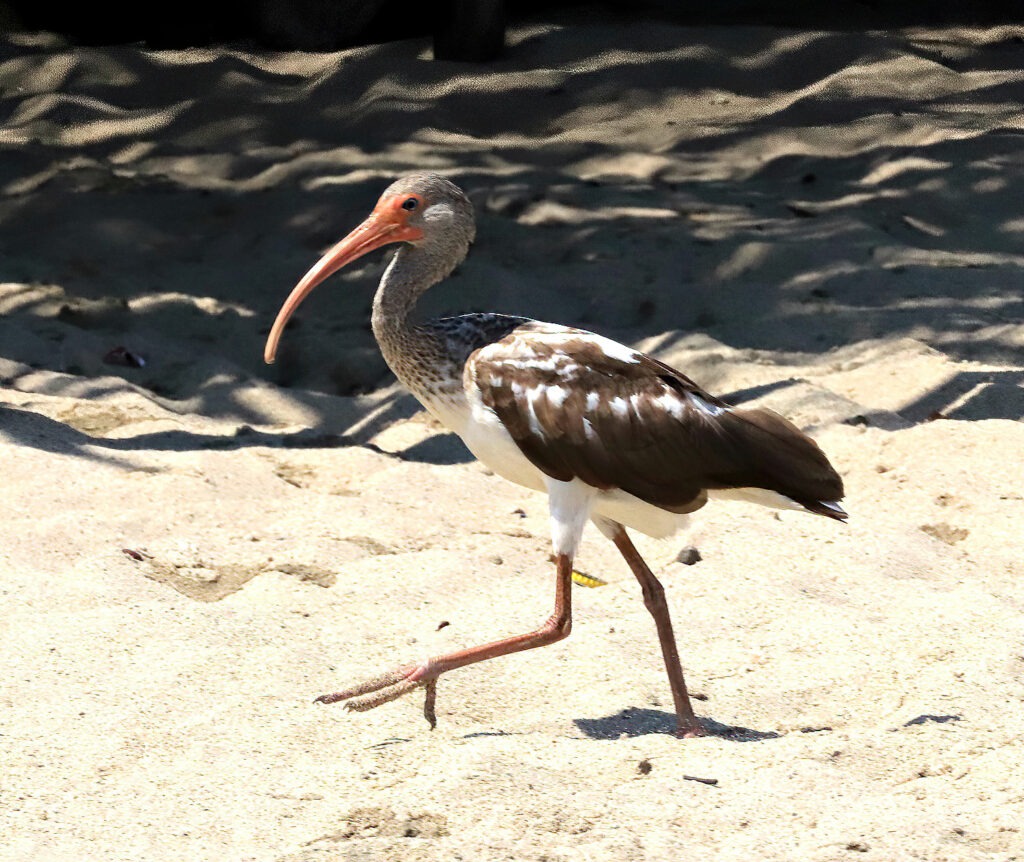
Our craving to interact with nature continued at Barra de Coyuca, about 40 minutes north of the city. Barra refers to the sandbar that separates the lagoon from the Pacific Ocean, while Coyuca refers to a traditional dugout canoe, used for fishing. Most visitors explore Coyuca Lagoon aboard a covered motorboat that plies part of the 136 square kilometres (52.25 square miles) of open water, channels, and mangroves. Local fishers cast nets for more than a dozen species of edible fish. Near the mangroves the inviting sandbar offers visitors the opportunity to relax in warm, ankle-deep shallows, picnic beneath rustic reed palapas, indulge in a self-administered mud facial, and spot some of the area’s 250 bird species. We identified flocks of Black-bellied Whistling Ducks, along with Brown Pelicans, Blue-winged Teals, Black-necked Stilts, and White-faced Ibises.
Back toward the open water, the boat docked near an open-air restaurant where the sandy beach and rolling surf provided the backdrop for a sea turtle hatchling release program. We each held one of the surprisingly strong tiny turtles, gave it a name, and set it free. I chose Michan, a Japanese nickname of endearment, hoping the little one would enjoy a long life. As the turtles scampered toward the water, the sky suddenly swarmed with gulls and frigatebirds looking for an easy meal. Happily, all of our turtles reached the safety of the waves.
Lunch at the beachfront restaurant consisted of freshly grilled fish and shrimp, washed down with cold Pacífico beer. This was just one indicator that in Acapulco, foodies will not be disappointed. Gastronomic experiences include programs such as those offered by Fiesta Americana Travelty and Devossion, operated by Grupo Posadas, which immerse visitors in the region’s land, waters, history, and culture. In one activity, participants join a chef on a visit to a local market before preparing a meal with the fresh ingredients gathered there.
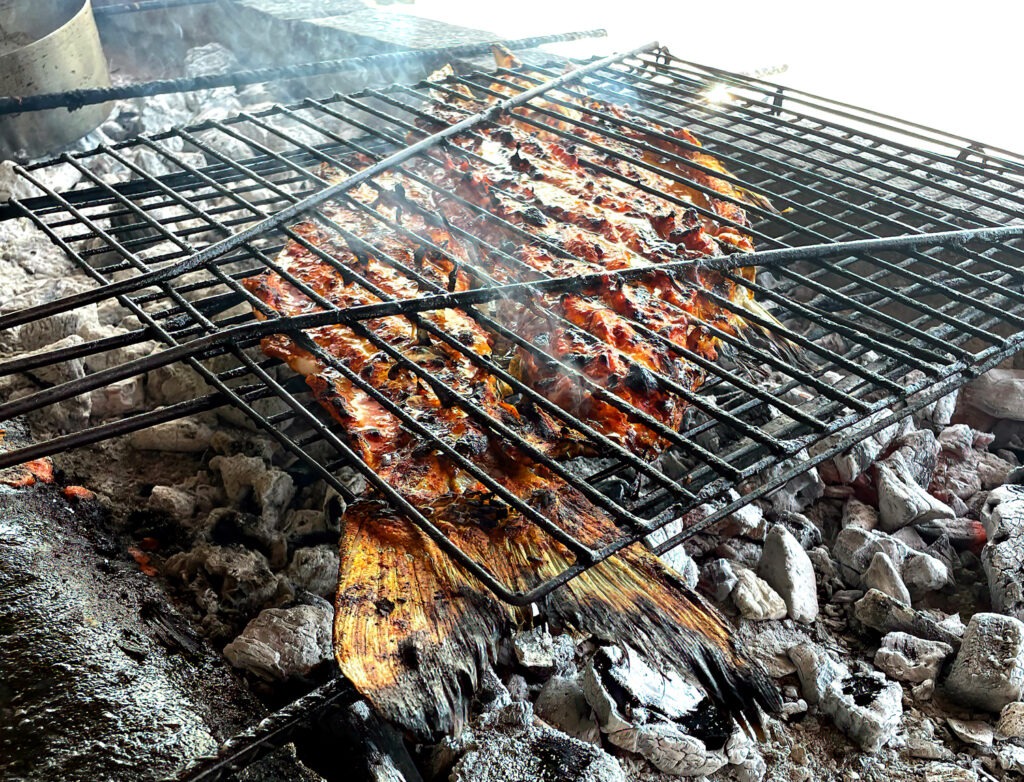
For those who prefer to leave the cooking to the experts, taste buds can be pampered at Punta Sirena, where Edward and Suzanne Palazuelos offer such specialties as tiradito de abulón on a fired tortilla with black sauce and a drizzle of chipotle, as well as grilled shrimp on a bed of mushroom risotto with steamed vegetables and garlic-ginger sauce. For a more traditional experience, head to Las Gaviotas II, where the pescado a la talla — red snapper or sea bass — is butterflied and flame-grilled in a spicy red chili marinade. While waiting for the meal, guests not only munch on tortillas and salsa, but they can also salsa, merengue, and mariachi to lively music.
And of course, mezcal often accompanies food and festivities. Horacio Garcia Aguilar, owner of Alquimista Mezcal Artesanal, was blunt when asked whether his fábrica (distillery) offered food pairings. “No… because everything goes with mezcal!” Horacio went on to explain mezcal’s appeal: “You don’t get drunk… you get magic.” He added that mezcal is defined by community — there are no good or bad mezcals; they are simply different — and that more people are turning to mezcal because of the endearing complexity of its taste and aroma.
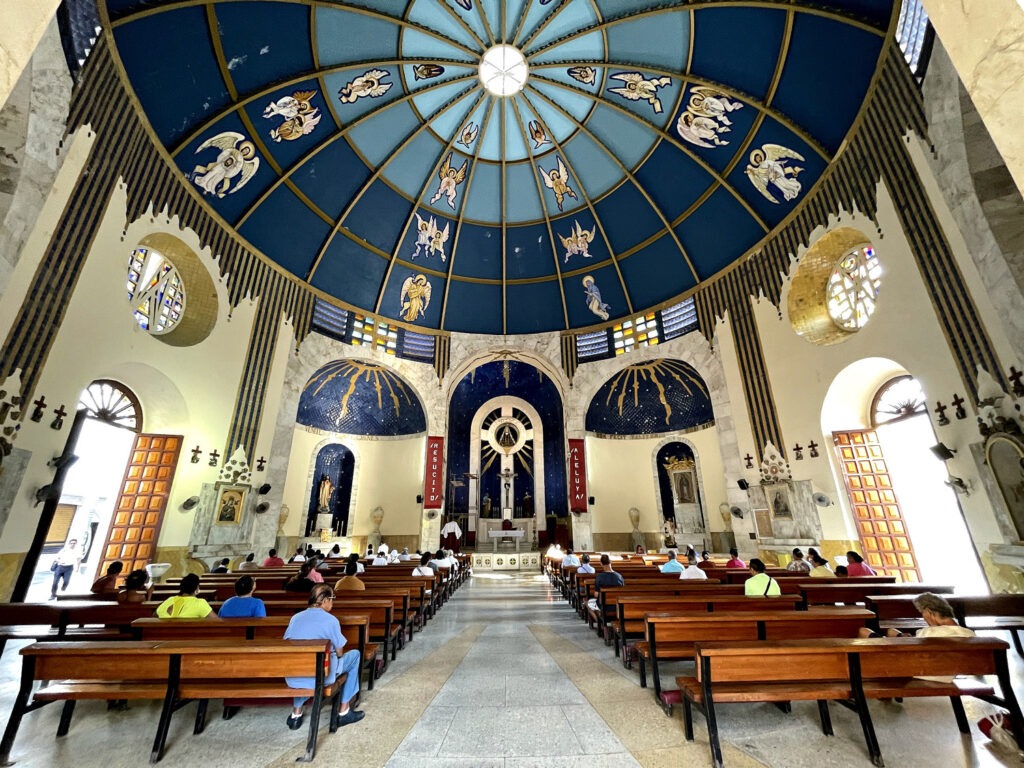
All the while, the history and charm of Viejo Pueblo, Acapulco’s traditional Old Town, remain a major draw. An early evening wander can include the zócalo, the town square located at Plaza Álvarez and filled with market stalls selling food and souvenirs. The plaza surrounds Catedral Nuestra Señora de la Soledad, a Spanish-Moorish-Byzantine structure crowned by a blue-tiled dome. A short walk away stands Fuerte de San Diego, the pentagon-shaped Spanish fort overlooking Acapulco Bay, originally completed in 1617 and rebuilt in 1783. Its exhibit rooms, featuring English-language signage, trace the city’s history and highlight the rich cultural heritage shaped by global trade, which brought together people of European, African, and Asian descent in Guerrero State. This multicultural legacy, combined with the region’s Aztec heritage, goes a long way toward explaining the roots of traditional Mexican cuisine.
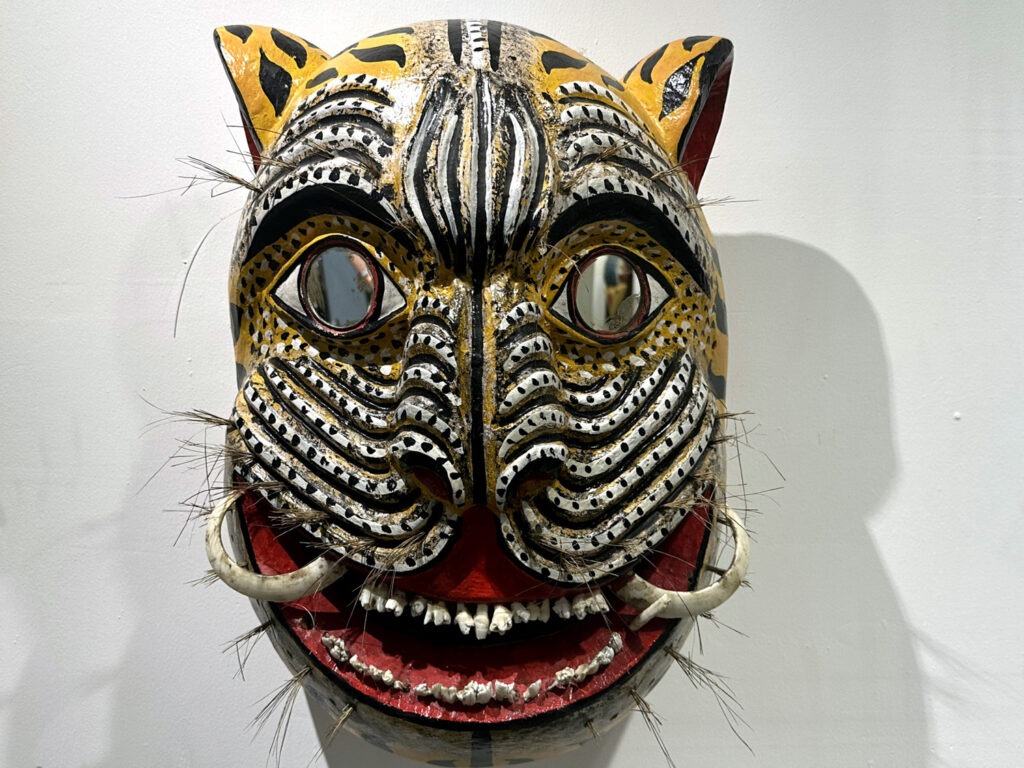
A visit to the Guerrero Mask Museum, located on the grounds of the fort, provides visual testimony to the state’s cultural roots. Signage explains that the masks ‘symbolize diversity of artisanal expression, as well as the historical identity of a people strongly connected to their religious, social, and economic traditions.” The remarkable collection features masks from both Guerrero State and around the world, reflecting the cultural influences that have shaped Acapulco and the region.
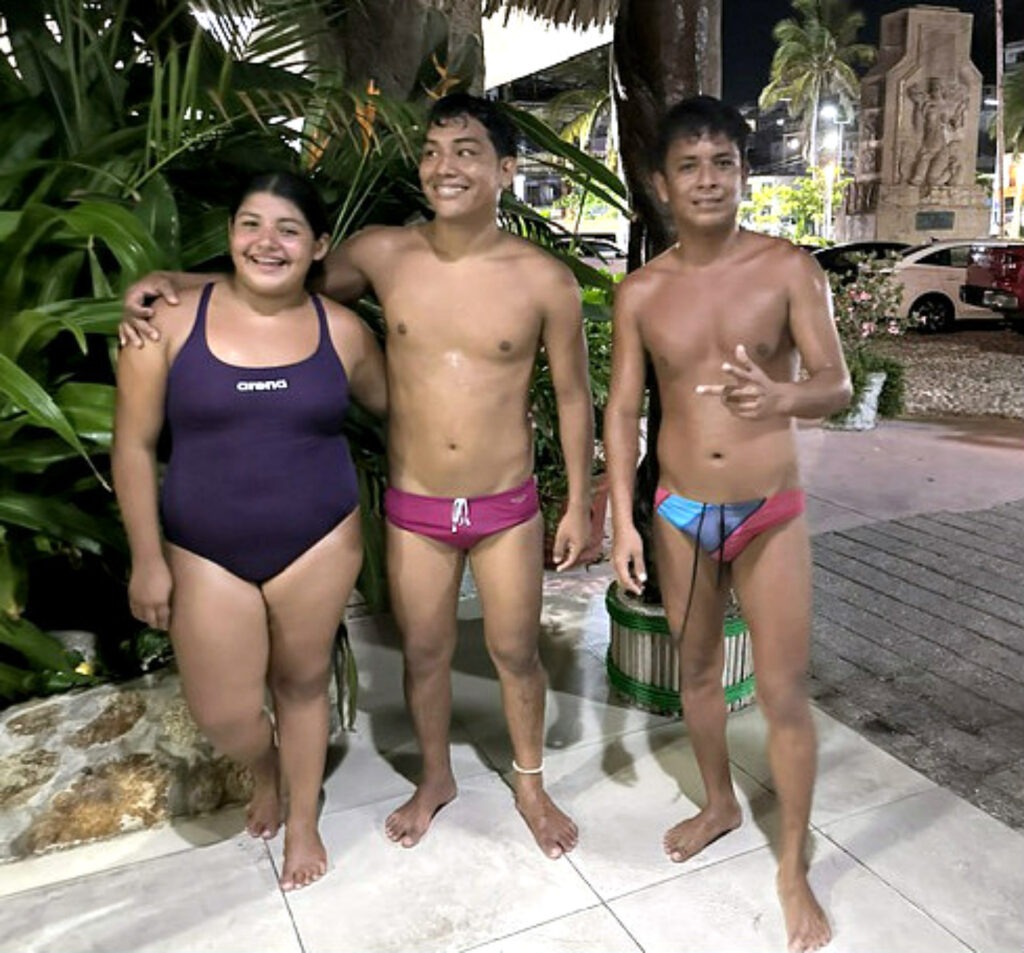
With Acapulco’s traditions in mind, our farewell to the city took place at a rail-side table at La Perla restaurant in the Mirador Acapulco Hotel, overlooking La Quebrada, the world-famous cliff where male and female divers perform from heights ranging from 30 to 41 metres (98 to 135 feet). Their target is a 7-metre (23-foot)-wide ocean pool between the rocks, with depths ranging from 4.8 to 5.8 metres (16 to 19 feet). During the day, the divers judge the depth visually before praying at the shrine of the Virgin of Guadalupe, waving to the crowd, and plunging into the water. At night, they listen to the waves to determine the precise moment to jump.
After being thrilled by the 9:00 p.m. show — complete with divers wearing attention-grabbing white cloaks and carrying fire torches — we stayed for the 10:00 p.m. performance, which promised a searing finale. The last diver of the evening stood atop the highest cliff as an attendant draped him in a fire-resistant covering and, standing a few feet away, ignited his compatriot. The diver, now completely engulfed in wind-swept flames, remained motionless for several dramatic seconds, creating a mesmerizing cliffhanger effect for the spectators, before diving like a human torch into the ocean. He then waved to the crowd to signal that he was safe.
We were certainly left with a burning desire to return to Acapulco’s escapades. The variety of experiences leaves a memorable travel afterglow.


