

-

- Photo: SriLankaTourism
Sri Lanka
Discovering Sri Lanka: A Land Like No Other
Article and photography by Jennifer Merrick
“Sri Lanka is a small miracle, a land like no other. In a two-hour drive, you find yourself in a completely different climate and geographical region.”
Our guide, Nuwan Mahawattage with Whittalls Travels, delivers this line as we wind our way out of Colombo, the city’s glass towers giving way to lush jungle greenery. For context, Sri Lanka is roughly the size of Ireland. And yet within that modest footprint, it somehow fits misty mountains, white-sand beaches, ancient monuments, safari parks and endless emerald tea plantations.
“In two weeks, you can see everything,” Nuwal said with a laugh. Then he pauses and adds, “Although I don’t recommend staying longer than that.”
Why not?
“Because you’ll never leave.”
After spending just a week here, I understand exactly what he means.
Capital Beginnings
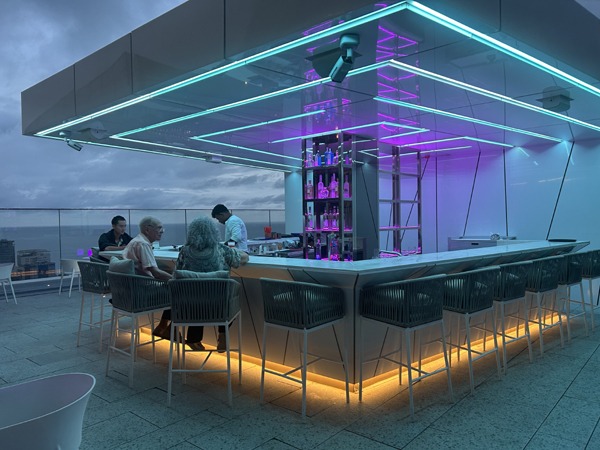
Our introduction to Sri Lanka begins in its capital, Colombo, at Cinnamon Life at City of Dreams, the most ambitious hotel and entertainment complex the city has ever seen. Newly opened, this 1.3-billion-dollar investment on the shores of the Indian Ocean includes a large convention centre, grand ballrooms, numerous restaurants and 800 spacious and modern rooms.
Original Sri Lankan paintings line the corridors, and a dedicated gallery allows guests to purchase works with 100% of the proceeds going to the artists. Live music plays in the Gatz, a two-level champagne and cocktail bar inspired by The Great Gatsby, and an infinity swimming pool on the rooftop offers a glitzy hangout with a view.
The complex is a shining example of where Sri Lanka is headed.
“It is going through a transformative time,” says Thanushka Nanayakkara, CEO of Prestige Discoveries, and believes that the country is on the cusp of becoming the next ‘it’ destination with recent recognition from Lonely Planet and the Pacific Asia Travel Association.
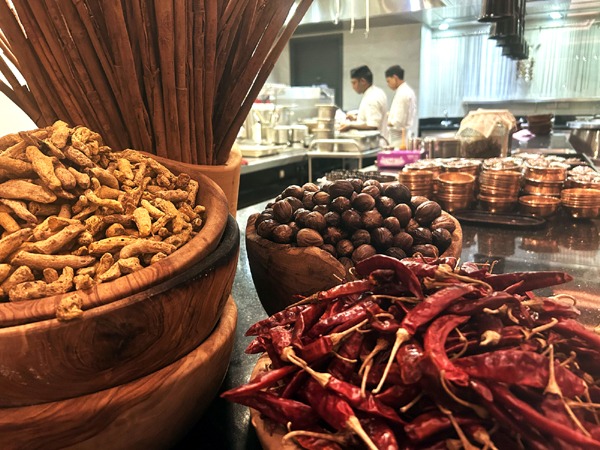
The new resort is the ideal base to explore more of the city, including the lively Pettah Market, where we quench our thirst with Sri Lanka’s distinct, reddish-colored King Coconuts, and wander its narrow streets. At the Lotus Tower, Colombo’s CN Tower, we take in the sweeping views of the rapidly changing metropolis.
Sigiriya and the Cultural Triangle
The drive from Colombo to Habarana is four hours, but we feel as though we’ve arrived in a completely different world. Here, in the heart of Sri Lanka’s famed cultural triangle, are five UNESCO World Heritage Sites, showcasing a remarkable ancient civilisation and a rich Buddhist heritage. This fascinating history is set among the lush scenery of reservoirs and jungle that is home to an abundance of wildlife, including curious monkeys who greet us everywhere we go.
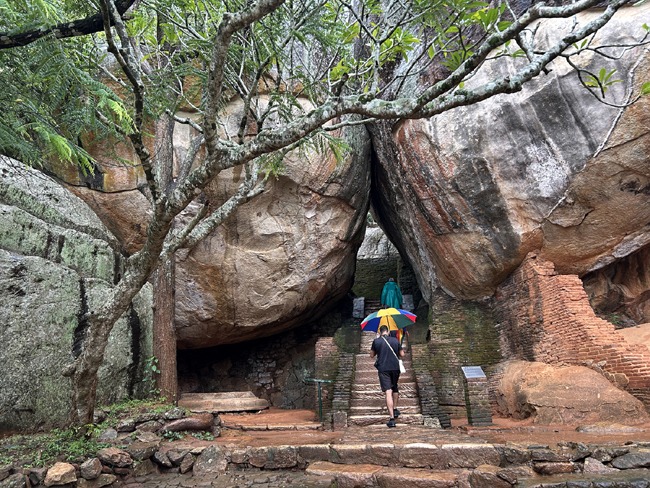
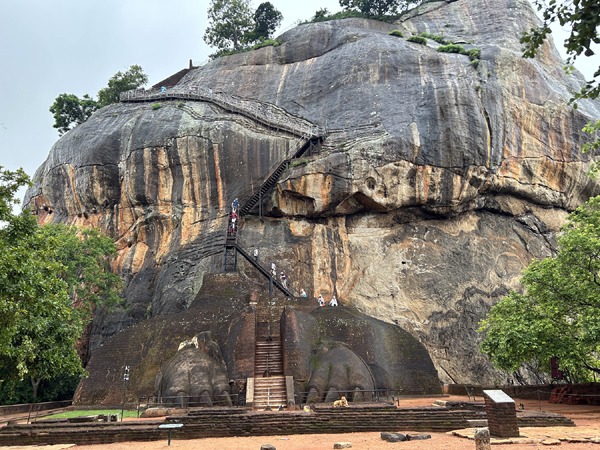
Sigiriya Lion Rock stands out as the region’s star attraction. The 5th-century royal citadel rises dramatically from the ground and perches on top of a massive rock formation. Climbing up the 1,200 stairs reveals new discoveries every step of the way, from the ingenious engineering designs of the ancient water gardens, complete with fountains, to the giant stone lion’s paws and the frescoes that adorn the mirror wall. At the top, wandering around the ancient palace and looking down at views of the verdant, mist-shrouded landscape below, we’re awed by both the scale and intricacy of these ruins and what surrounds them.
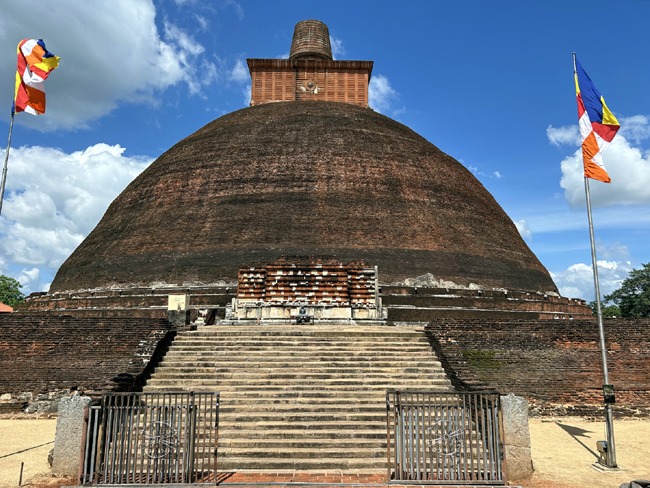
Other stellar attractions in the region include Anuradhapura, one of the country’s oldest sacred cities, and Dambulla Cave Temple, ancient cave shrines filled with murals and statues.
Kandy: The Sacred City of the Hills
From Sigiriya, we travel 2.5 hours to continue our golden triangle exploration with a visit to Kandy, Sri Lanka’s former royal capital. Up in the hills, at 1600 feet above sea level, the country’s second most populous city offered a bounty of rich attractions.
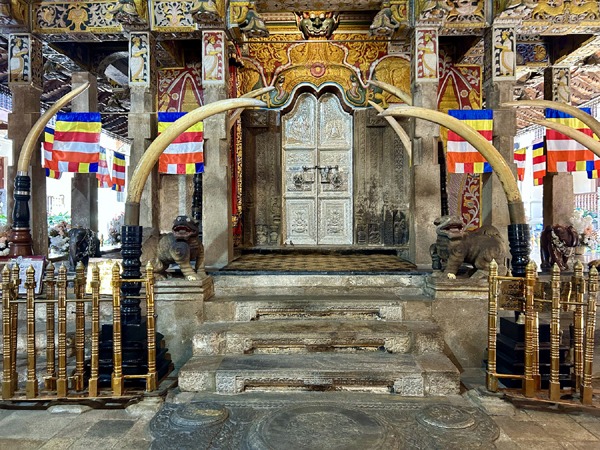
The Temple of the Tooth Relic shines as the city’s crown jewel, housing its namesake artifact, Buddha’s left canine tooth. We join the pilgrims who come to receive blessings and make offerings of lotus flowers. We’re struck by the intricate details of the shrines, the murals, which tells the temple’s stories and the reverence that permeates the site.
Just outside the city limits lies the 60-hectare Royal Botanical Gardens. Our day slows down as we stroll along the paths through the fragrant, colourful gardens and trees from around the world. We could stay for longer, but it’s time for tea.
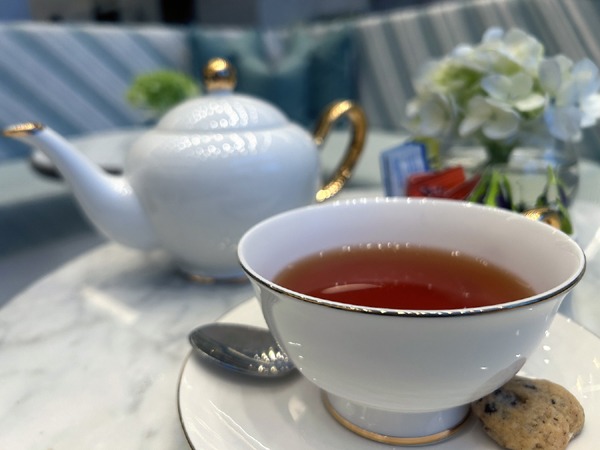
Sri Lanka’s tea tradition is steeped in history that goes back over 150 years, and the quality is considered to be among the world’s best. At Giragama Tea Factory we learn about the production before sipping tea and enjoying a high tea of sandwiches, patisseries and hors d’oeuvres. The tea truly is better here. One reason is the many altitudes at which the plants are grown at, and another is that every leaf is handpicked. We find out more about this method firsthand after our feast, when we’re brought into the fields, dressed in traditional garments, including a basket placed around our heads, to try our hand at plucking ourselves.
A Slow Train to “Little England”
The journey from Kandy to Nuwara Eliya is considered one of the most scenic in the world, passing through lush countryside, tea plantations, waterfalls and villages. The train is slow, but time flies by as we snap pictures through the open windows and enjoy refreshments in the dining car. Our destination, Nuwara Eliya, nicknamed ‘Little England’, really does look like it’s been plucked out of the UK with its half-timbered houses, pubs and colonial architecture. Popular attractions include: Nuwara Eliya Post Office, a photogenic, historic red-brick building and Gregory Lake Park, a peaceful spot perfect for a relaxing walk or a boat ride on the lake. It’s all very cool, figuratively and literally, with temperatures in this high-altitude town 10 degrees cooler than the coast.
A Wildlife Safari at Yala National Park
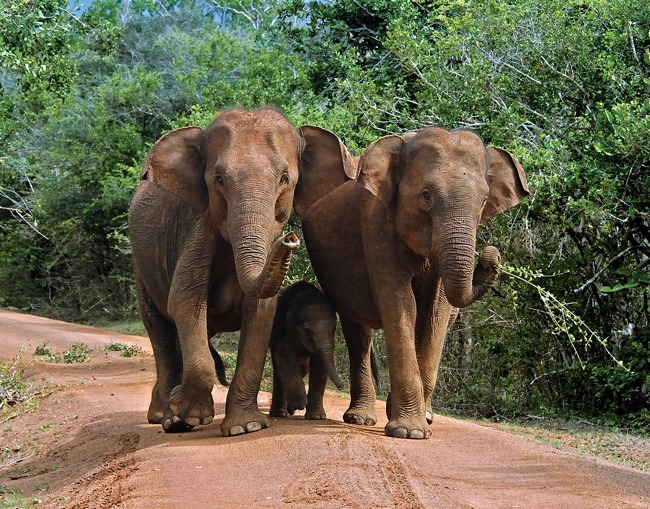
Our tour of Sri Lanka ends on a high note with a wildlife safari in Yala National Park, the most visited wilderness park in the country, covering nearly 400 square miles of protected land. The terrain includes forests, grasslands and lagoons, which support one of the highest leopard densities in the world and an impressive variety of other wildlife.
Though this park has the largest concentration of these powerful and elusive predators in the world, there is no guarantee of a sighting, and our guide cautions against getting our expectations up.
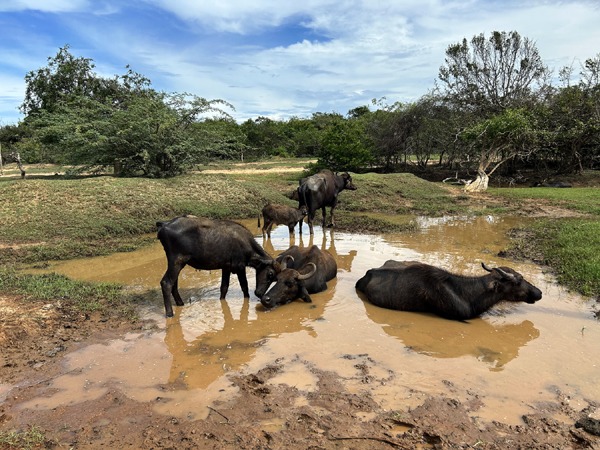
But our hopes are high as we bump along the red dirt road, weaving around potholes, binoculars in hand. It doesn’t take long before we spot wildlife: water buffalo submerging themselves in the mud, mongooses weaving through the underbrush, colourful tropical birds like parakeets and bee-eaters perching on branches and herds of deer grazing in the grass. It’s all so incredible that I completely forget about the leopards.
As the safari nears the end, another jeep stops, and the guides exchange a flurry of animated conversation.
“Hang on,” our driver shouts, and we speed forward.
We arrive at a spot lined with other jeeps. A leopardess has been spotted sitting on the rocks, but she’s gone now and nowhere to be seen. Guides and passengers alike scan the brush continuously. The sun is setting, signalling the closing of the park, and guides face large fines if they stay after hours.
Suddenly, fingers are pointing, and animated whispered conversations in multiple languages break the charged silence.
“Over there,” our guide tells us, but the only creature I can see through the binoculars is a peacock.
Finally, the leopardess comes into focus, and I watch as she saunters gracefully up the rocks and lies down on the top, looking very much like the queen of the wild.
The ending to our trip feels like a small miracle, just like the country itself.


