

Japan
Kyushu: Japan’s Hidden Gem in Full Bloom
Article and photography by Michael Morcos
Japan’s famous Golden Route attracts millions of visitors every year, but venture south to the island of Kyushu and you’ll discover a side of Japan that feels more authentic, intimate, and deeply rewarding. During sakura season, when cherry blossoms transform landscapes into shades of pink and white, Kyushu reveals itself as one of Japan’s most captivating destinations.
Over seven unforgettable days exploring the prefectures of Fukuoka, Saga, and Nagasaki, I quickly realized that Kyushu is not simply another destination in Japan—it is a journey into the heart of Japanese culture, craftsmanship, hospitality, and natural beauty.
From ancient canal towns and hidden pottery villages to historic castles, traditional tea ceremonies, and moving reminders of history, Kyushu offered experiences that engaged all the senses.
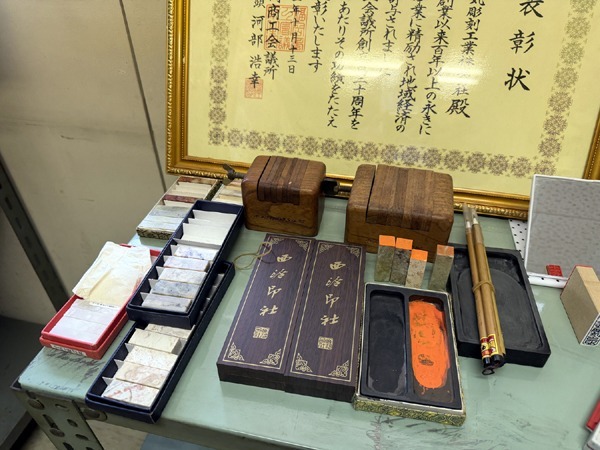
Our journey began in Fukuoka with a Hanko, or Japanese seal-making workshop. What appeared to be a simple activity quickly became a lesson in patience and precision. Under the guidance of skilled artisans, we attempted to carve our own personalized seals. It was far more difficult than expected. One wrong movement could ruin hours of work. Yet there was something deeply satisfying about creating a personal piece of Japanese culture by hand. It was a perfect introduction to a region where craftsmanship remains highly valued.
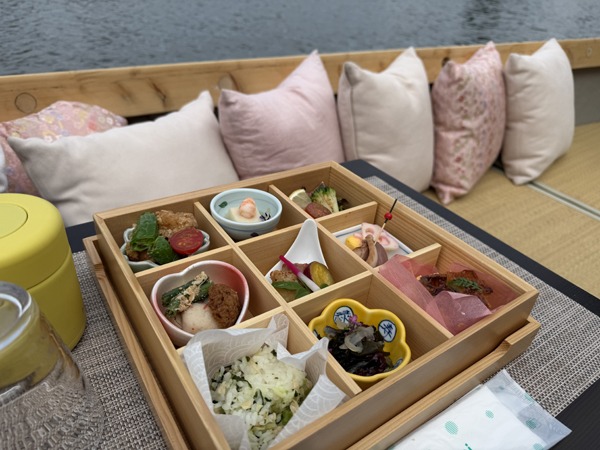
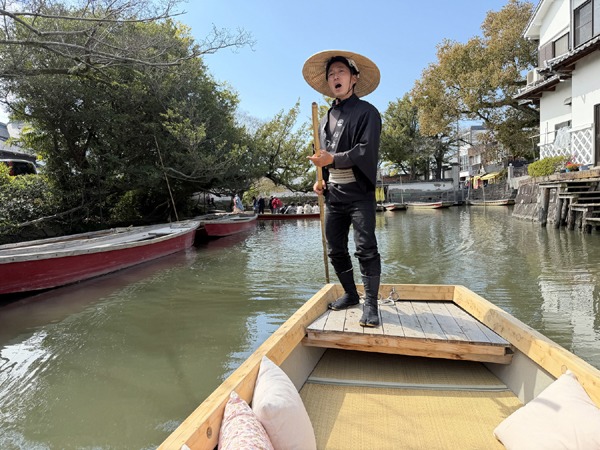
From there we traveled to Yanagawa, often referred to as “The Venice of Japan.” The city is famous for its extensive canal system, and our lunch would be unlike any I had experienced before. Sitting aboard a traditional flat-bottomed boat, we slowly drifted through narrow waterways while our boatman expertly navigated beneath low bridges and alongside flowering trees.
As we glided through the canals, a beautifully prepared local meal was served onboard. The pace was wonderfully slow. There was no rush, no schedule to follow, only the gentle rhythm of the water and the quiet beauty of spring unfolding around us.
Saga Prefecture offered a completely different perspective of Kyushu.
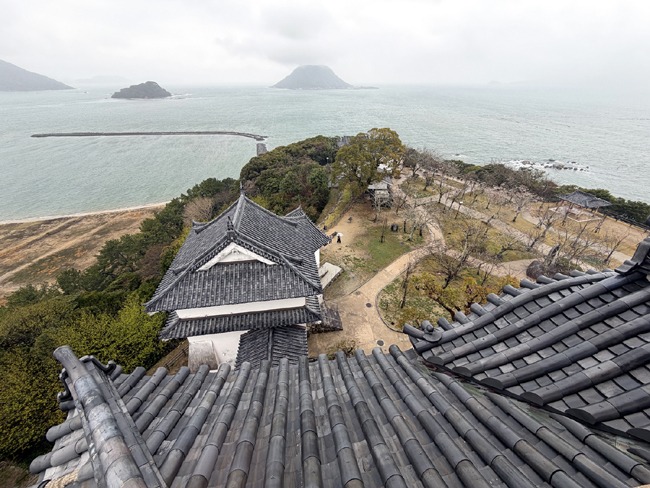
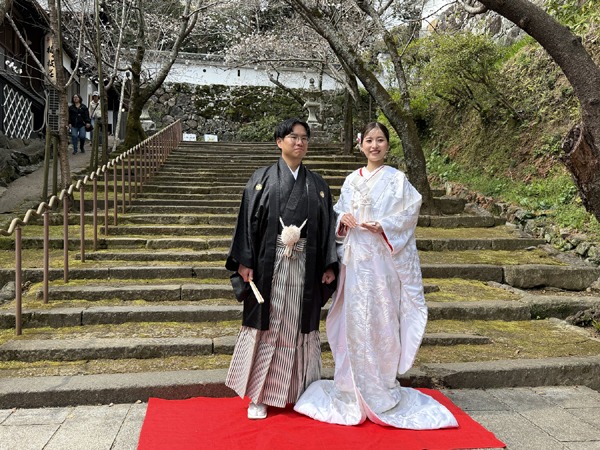
Karatsu Castle sits majestically overlooking the sea, providing some of the most breathtaking panoramas of the trip. Standing atop the castle grounds, I gazed across the coastline while cherry blossoms framed the historic structure. It was easy to understand why this region remains one of Japan’s best-kept secrets.
The weather unfortunately prevented our planned cycling excursion through the famous pine forests of Niji-no-Matsubara. While disappointed initially, travel often rewards flexibility. Along a roadside stop, we discovered a Karatsu Burger. Sometimes the simplest meals become the most memorable. Fresh, hearty, and packed with flavour, it was exactly what was needed on a rainy day.
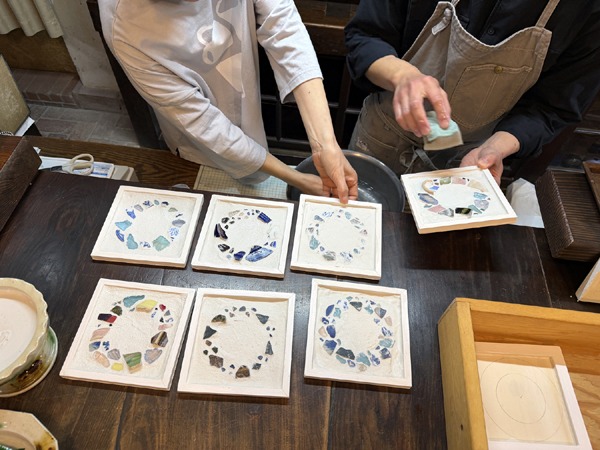
One of the highlights in Karatsu was our hands-on pottery experience at Akamizugama. Pottery has deep roots throughout Kyushu, and participating in the creative process gave me a newfound appreciation for the skill involved. My finished piece may never be displayed in a museum, but I proudly brought it home. Every time I see it, it reminds me of the warmth and hospitality we experienced throughout the region.
If there was one location that completely captured my imagination, it was Okawachiyama, known as the Village of the Secret Kilns.
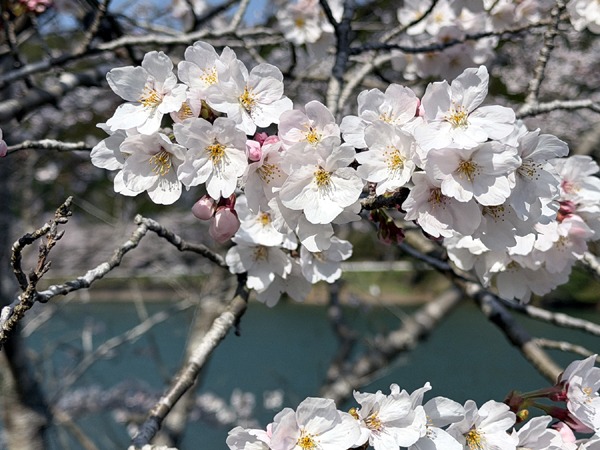
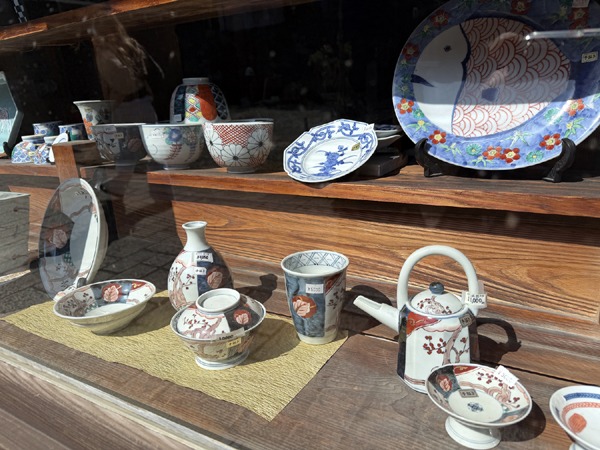
Nestled in a mountain valley, this enchanting village felt like stepping into a living painting. Traditional pottery workshops lined quiet streets while small bridges crossed crystal-clear streams. The timing could not have been more perfect. Cherry blossoms were at their peak, creating a stunning contrast against the surrounding mountains.
We enjoyed a picnic lunch surrounded by sakura trees, flowing water, and centuries-old craftsmanship. Petals drifted through the air like pink snowflakes. It was one of those rare travel moments when everything aligns perfectly, creating memories that remain long after the journey ends.
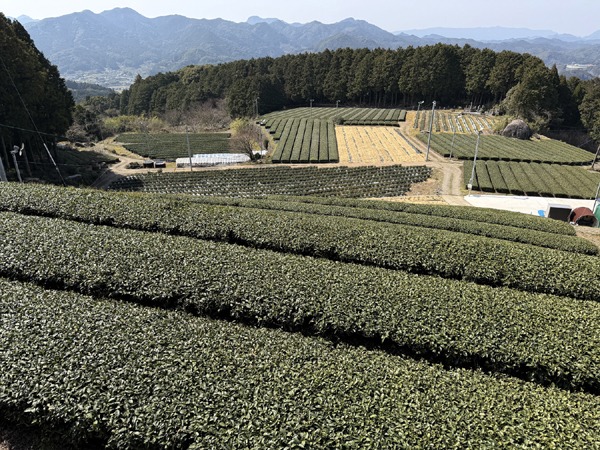
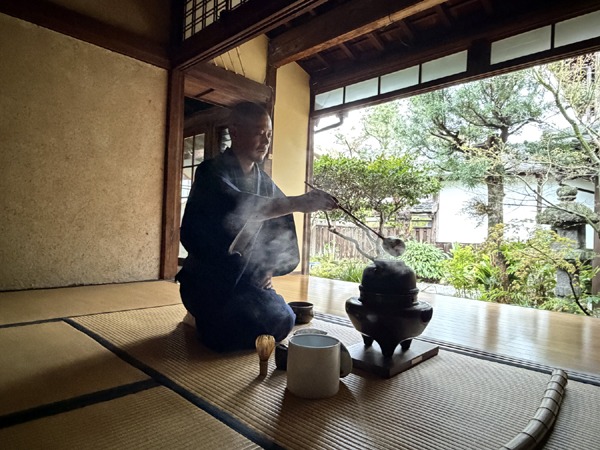
Later that day we arrived in Karatsu, a town renowned for tea and hot springs. Here, I participated in one of the most memorable tea ceremonies I have ever experienced.
Held in a small and intimate setting, the ceremony embodied the essence of Japanese Zen. Every movement was deliberate. Every gesture carried meaning. The tea itself was exceptional, but it was the atmosphere that left the greatest impression. In a world increasingly defined by speed and distraction, this experience encouraged us to slow down and simply be present.
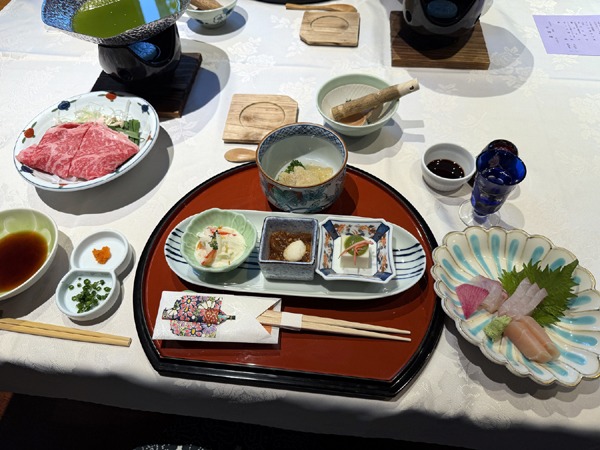
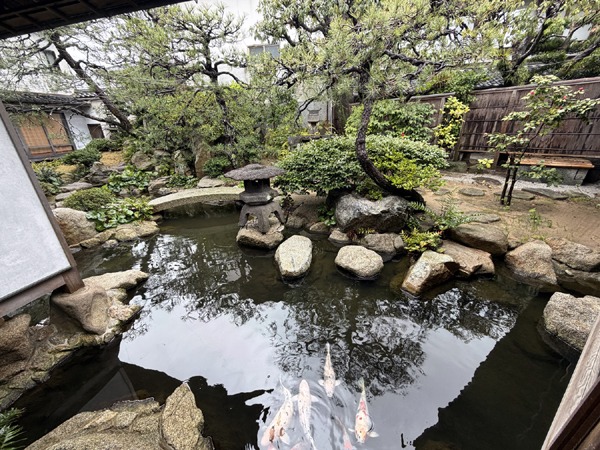
That evening we stayed at Ryokan Warakuen, one of the finest traditional ryokans I have experienced. The property is famous for its tea-infused hot spring baths, which are said to benefit the skin. Following a relaxing soak, we enjoyed a beautifully presented multi-course dinner featuring seasonal local ingredients. It was Japanese hospitality at its finest.
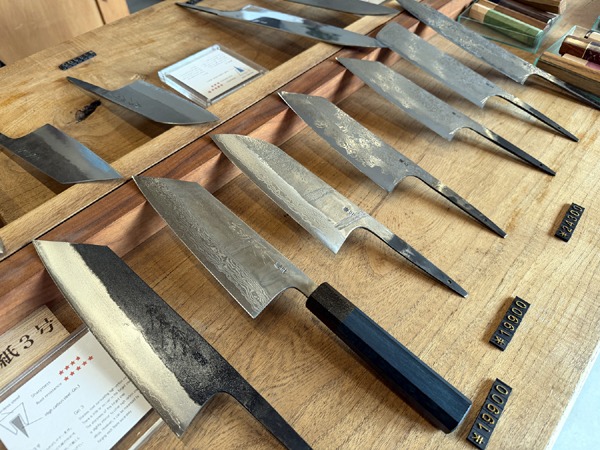
Another memorable experience awaited us in Omura, where we visited a traditional blacksmith workshop. Watching master craftsmen transform steel into precision tools was fascinating. Sparks flew as red-hot metal was shaped through techniques passed down over generations.
I could not resist purchasing a pair of handmade garden scissors. Unlike many souvenirs that eventually fade into memory, these scissors will serve as a lasting reminder of Kyushu’s remarkable artisans and their dedication to perfection.
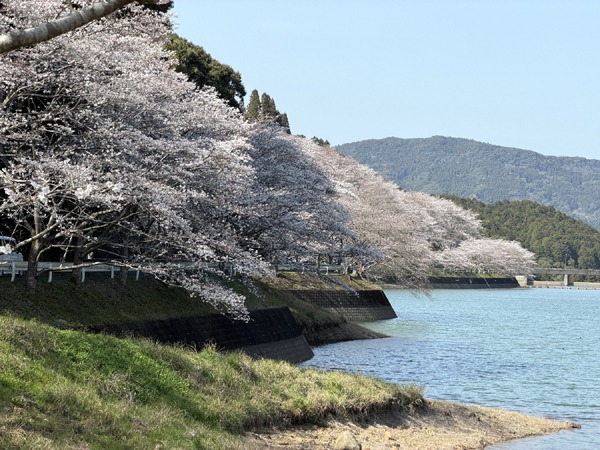
Nearby Omura Park was equally impressive. Thousands of cherry trees surrounded the historic grounds, creating one of the most spectacular blossom displays of the trip.
Nagasaki provided some of the most powerful moments of our journey.
At Peace Park, visitors are reminded of the devastating events of August 1945 and the importance of preserving peace for future generations. It is an emotional experience that leaves a lasting impact.
Later, we explored the beautiful Glover Garden overlooking Nagasaki Harbour. The combination of Western-style architecture, manicured gardens, and sweeping ocean views showcased the city’s unique international heritage.
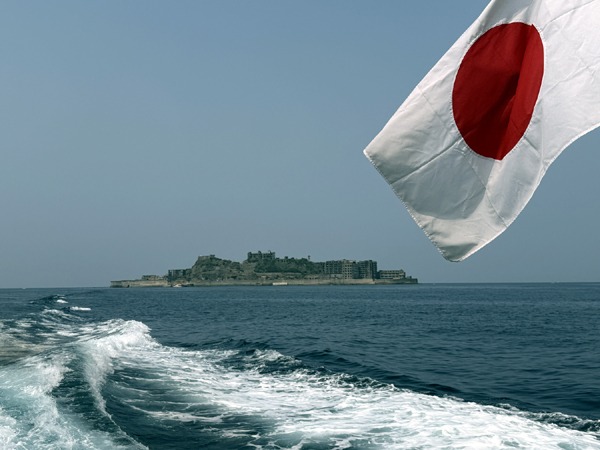
A visit to Gunkanjima, also known as Battleship Island, revealed another fascinating chapter of Japanese history. The abandoned industrial island rises dramatically from the sea, its crumbling concrete buildings creating an almost cinematic landscape. Walking among the ruins offered a powerful glimpse into Japan’s rapid industrial development and the passage of time.
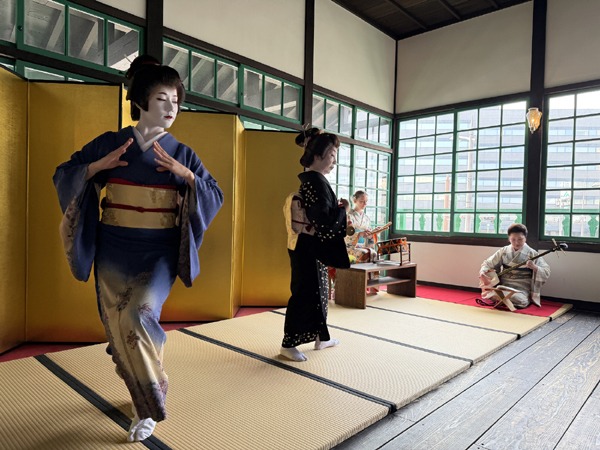
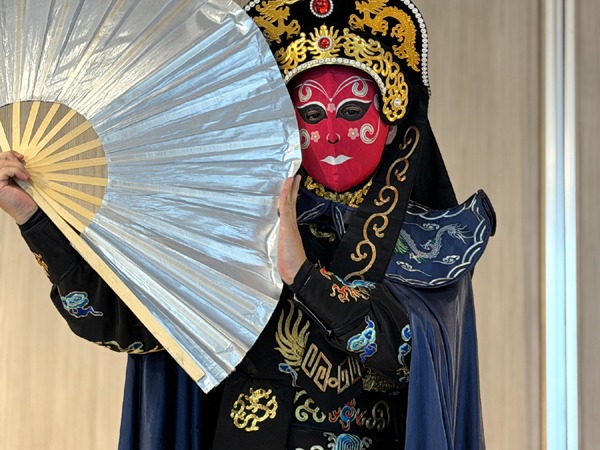
Nagasaki’s cultural diversity was equally evident at Dejima, Megane Bridge, and Chinatown. One afternoon, we enjoyed a private traditional performance featuring music and dance. The experience became even more entertaining when audience members were invited to participate. Dressed in traditional attire and attempting to play unfamiliar instruments, we generated plenty of laughter while gaining a deeper appreciation for local culture.
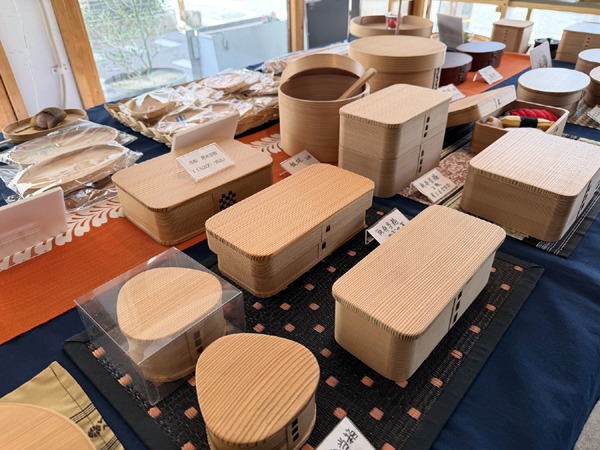
Back in Fukuoka, another hands-on workshop awaited. This time, we learned the art of crafting Magewappa bento boxes. Using traditional techniques, we created beautiful wooden containers that combined practicality with elegance. Like my pottery creation, the finished box became another treasured souvenir.
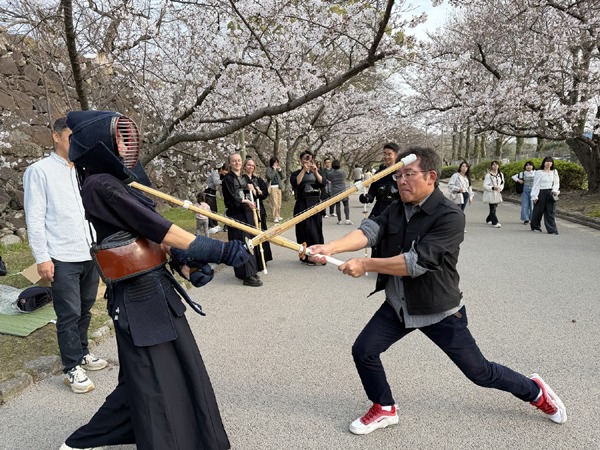
One afternoon at Maizuru Park, we participated in lively kendo demonstrations before gathering for a barbecue beneath blooming cherry trees. The energy of the martial artists contrasted beautifully with the peaceful setting.
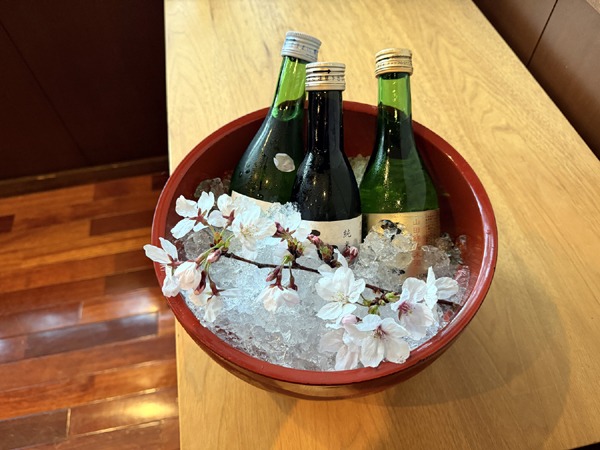
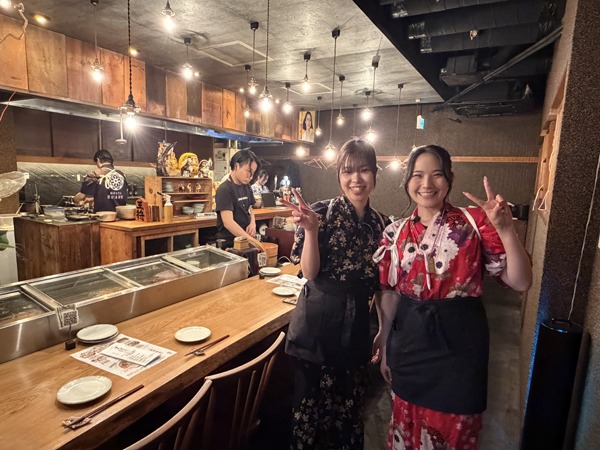
Food, of course, remained a constant highlight throughout the journey. From casual roadside burgers to traditional izakaya dining at Hakata Hotaru, every meal showcased the diversity of Kyushu’s culinary scene. Particularly memorable was the refined Kaiseki dinner at Warakuen, where each course resembled a work of art.
Impressive Accommodations
The Karatsu Seaside Hotel stands out for its spectacular location. My room overlooked the beach and ocean, providing panoramic views that made it difficult to leave each morning.
Equally memorable was Hotel Indigo Nagasaki, a beautifully restored church and former monastery transformed into a boutique hotel. The architecture alone was worth the visit, blending history and contemporary luxury in a truly unique way.
As our journey came to an end, I reflected on everything Kyushu had offered. While Japan’s major cities receive much of the attention, Kyushu delivers something increasingly rare in modern travel—authentic experiences, meaningful cultural connections, extraordinary craftsmanship, and landscapes that inspire reflection.
Whether visiting during sakura season, autumn foliage, or the warmth of summer, Kyushu remains a destination for all seasons.
For travelers seeking a deeper and more personal side of Japan, Kyushu may well be the country’s greatest hidden gem.


