

-

- Photo: WT Library
-
- Photo: Philip Kosche
-
- Vabali Spa
Germany
Memories and Marvels: Exploring the Many Sides of Berlin
Article and photography by Jennifer Merrick
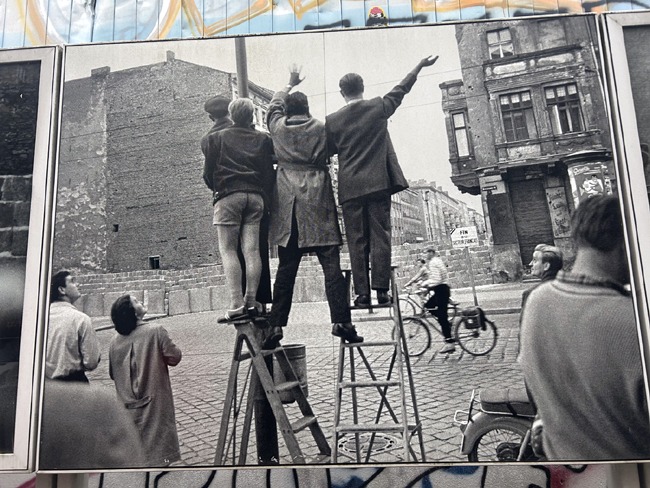
A few of the pictures at the Berlin Wall Memorial looked like they could have jumped out of my high school yearbook. One young man in ered front and longer hair in the back. “Business in the front, party in the back,” we used to joke about the mullet. Judging by his wide smile and shiny eyes, he looked like he enjoyed a good party, too. The year was 1986, and like the others whose photographs were here (and they were almost all young men), he died attempting to cross the Berlin Wall.
At that time, Berlin was the epicenter of the Cold War and the Berlin Wall, a physical manifestation of the Iron Curtain. As a teenager growing up far from these concrete borders, Berlin to me was the setting of spy novels I used to read: a shadowy landscape of double agents, mole hunts and whispered defections. But just three years later, that image was replaced with jubilant revellers dancing on top of the wall that had crumbled overnight. On November 9th, 1989, Berlin became a symbol of freedom and an optimistic new world of unity and peace. I was in university then, and couldn’t wait to see history in the making. As soon as I could, I traveled and taught in Eastern Europe and the stories I heard of the nocturnal scene in Europe’s ‘cool capital’ cemented my image of a freedom-loving city.
But I never made it to Berlin until this summer, 35 years later. What I found was neither an outpost of Cold War mythology or a hedonistic party culture, though elements of both still linger. Today, Berlin is an intriguing and vivacious metropolis that defies definitions. It wears its unvarnished history and culture on its sleeve, whether it’s palaces or watchtowers, opera houses or techno clubs, greenspace or graffiti, boisterous youthfulness or refined stateliness.
One local put it more succinctly: “Whatever you come for, you can find in Berlin.” Here were a few of our best finds:
Exploring Museumsinsel (Museum Island)
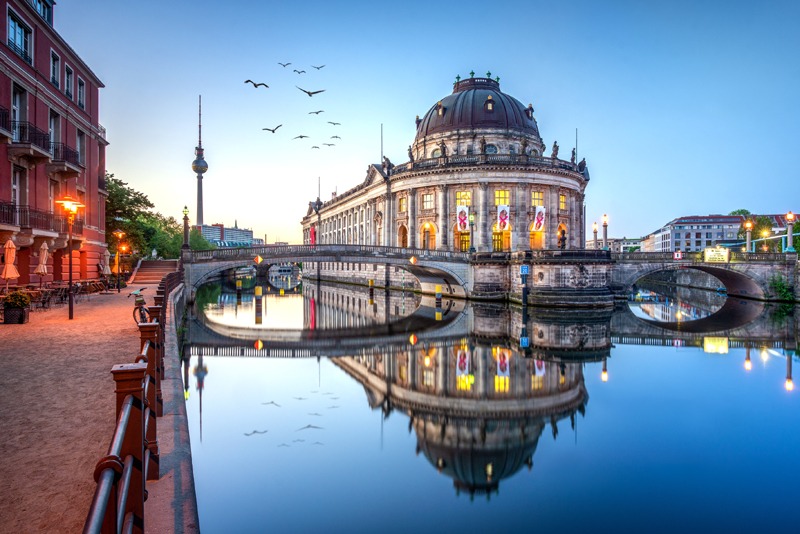
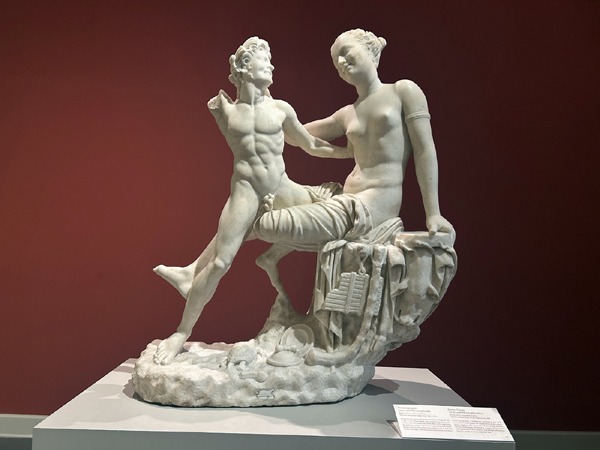
Bordered by the Spree River and the Kupfergraben Canal, this UNESCO World Heritage site is a literal island (The city’s waterways are a predominant feature of its landscape, and Berlin has more bridges than Venice). Five world-class museums make the island their home: Altes Museum (Old Museum), Neues Museum (New Museum), Alte Nationalgalerie (Old National Gallery), Bode Museum and Pergamon Museum. Not only are they each worth checking out on their own merit, but the Museum Island’s grounds are a pleasure to stroll around in. Surrounded by these grand institutions, groups of friends and family lounge on the grass around the fountain, buskers perform and tourists snap selfies. We took a couple of photos, too. And then we enjoyed the same view from above and toasted the day with a sunset drink at Baret, the rooftop bar on top of the Humboldt Forum, a museum dedicated to human history, art and culture.
Relaxing in Berlin’s Calm Oases
Germany’s capital is one of the greenest in Europe, with green spaces making up roughly a third of its total area. Tiergarten is the emerald crown jewel of Berlin’s extensive park system with 210 hectares of parkland right in the middle of the city. Once the former hunting grounds of Prussian kings, it’s now enjoyed by locals and visitors alike who come to walk its treelined trails, watch graceful swans swim in its ponds or cycle on its paths, which was exactly what we spent a morning doing.
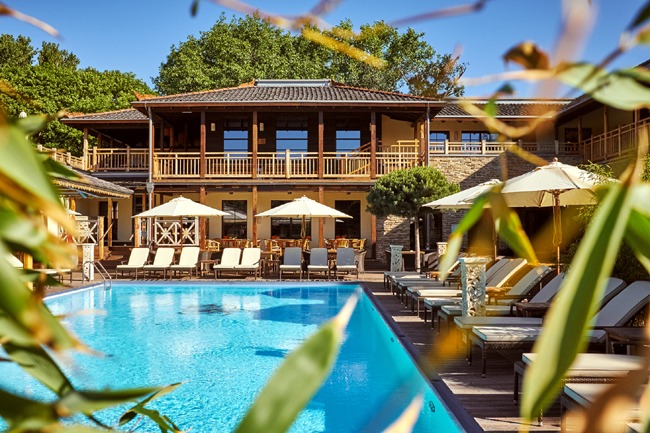
Even more relaxing was our day at Vabali Spa. This five-acre complex includes 10 saunas, three steam baths, four pools, massage/treatment rooms and a lovely Asian-inspired restaurant. Special sessions include sound-bathing and guided meditation. Our day at Vabali felt like a mini vacation from our vacation.
Admiring the Art of the East Side Gallery
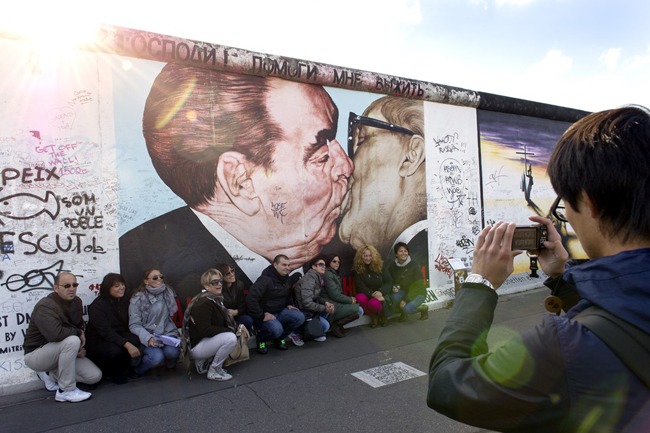
This longest stretch of the remaining Berlin Wall (1.3 kilometres) is now an outdoor exhibition with murals and messages. Some are whimsical while others are thought-provoking. The most famous — the kiss between Brezhnev and Honecker — still stops visitors in their tracks. After strolling along the wall and admiring the works, we wandered down to the river, where young Berliners and international students lounged in floating hostels and riverside watering holes.
Delving Deeper into History
The DDR Museum offers an immersive glimpse into everyday life in East Germany during the Cold War. Interactive exhibits include a typical East Berlin apartment and the iconic Trabant automobile, which brought back memories of friends driving me around when I lived in Hungary in the early 90s.
Equally compelling is the Palace of Tears (Tränenpalast), the former border crossing at Friedrichstraße railway station. Named for the tearful farewells that took place there, the museum focuses on the personal — stories of separations, contents of suitcases and small acts of defiance. One exhibit features contraband items that were smuggled in, like Playboy magazines and Jehovah witness pamphlets (in laundry detergent boxes) and another was the narrow, claustrophobic customs corridor people had to go through. Behind the glass was an officer’s hat and the stamp and pad used to validate those who were approved.
Pedaling through Cold War History
To get a better sense of the Berlin Wall’s impact on the city, we joined a guided bike tour with Berlin on Bike, led by historian and guide Brandon Nash. We followed parts of the Wall Trail and stopped at points of interest, including watchtowers, ghost stations and memorial sites.
“Many people don’t realize that the wall didn’t just divide Berlin, it encircled West Berlin entirely,” explained Brendan.
At Mauerpark (Wall Park), a city green space where people now picnic on the grass and browse a Sunday flea market, Brendan showed us a picture of the same spot looking like a war zone with barbed wire and concrete everywhere. “We’re standing in no-man’s land,” he said and explained that the divide had inner and outer walls with an open strip between them, where guards in watch towers could shoot anyone trying to escape.
We continued to the official Berlin Wall Memorial, the most comprehensive site for understanding the structure of the wall and its human cost. There are several outdoor exhibits, including the Window of Remembrance, which is dedicated to the people who died at the wall. It was there that I saw the smiling young man from 1986. Thirty-five years suddenly didn’t feel so long ago.
When you go:
Getting There: Berlin is easily accessible, with direct flights from several major North American cities, including New York, Los Angeles and Miami. New this year is Air Transat’s direct route from Toronto.
Where to Stay: A budget-friendly choice is the Aletto Hotel at Potsdamer Platz, which offers Italian-inspired design, modern amenities, and is steps from the U-Bahn. For a luxury retreat, SO/ Berlin Das Stue is a fashion-forward boutique hotel set in a former embassy, discreetly tucked away beside the Tiergarten and Berlin Zoo.
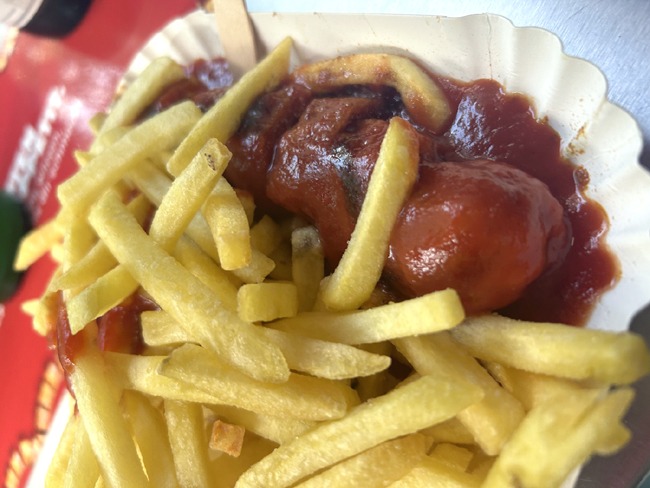
Where to Eat: Like the city itself, you can find anything you fancy in Berlin from a classic Currywurst at Currywolf to an unforgettable Michelin-starred locavore dining experience at Nobelhart & Schmutzig.
Visit: www.visitberlin.de/en


