

Cruise
River Cruising in Asia: Small Ships Big Stories
Article and photography by Judi Cohen
Developing a Taste for Small Ships My first small ship cruise on Myanmar’s Irrawaddy River in 2015, captured my heart and ignited by passion for small ship adventure travel. Since then, I’ve cruised on many small colonial style teak wood Pandaw ships on rivers in Myanmar, sailed the Upper Mekong River in Laos, explored Cambodia and Vietnam on the Lower Mekong River, and navigated India’s Brahmaputra River aboard ARC’s MV Mahabaahu, with family and friends.
Each river and small ship experience reinforced my love for slower and deeper ways to travel on waterways that have sustained communities and commerce for millenia.
Life on the Rivers
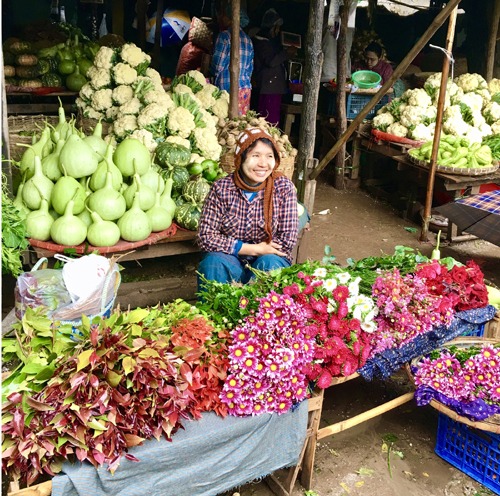
Life along these rivers unfolds in gentle rhythms. Sunrise prayers in remote temples and monasteries, colourful morning markets overflowing with fresh fish, produce, and spices, and villages waking quietly along tranquil riverbanks. On ships with generally fewer than 60 passengers, there’s space to observe, reflect, and soak in the details that make each stop along the rivers unique.
Why These Rivers Captivate
What keeps pulling me back is not only the people and the landscapes, but the genuine hospitality on each ship and the exceptional local crew, guides and onboard guest speakers, and of course the fresh, locally sourced meals on each ship.
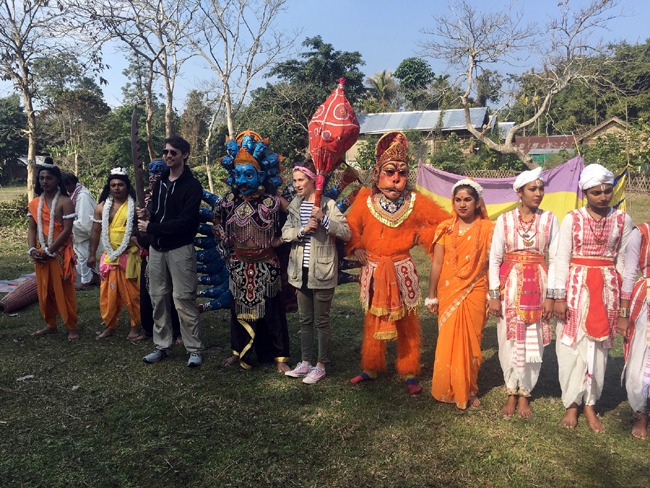
The Irrawaddy felt timeless, its wide curves lined with ancient pagodas and riverside villages. The Upper Mekong in Laos threaded through limestone peaks and jungle hills, and villages where our arrival still made local news. The Brahmaputra’s shifting channels and sandbanks mirrored its moody temperament. Children welcomed us with curiosity on the riverbanks, while Kaziranga National Park offered close glimpses of rhinos and tigers. Tea estates, jute factories, and farms made Assam’s culture tangible in a way a guidebook never could.
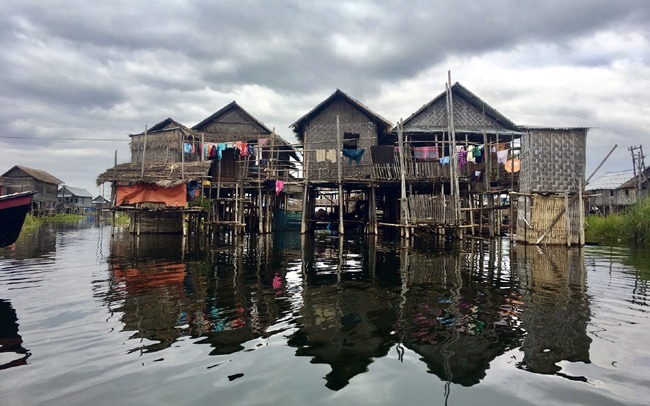
On the Lower Mekong, stilted houses leaned over the water, while Cambodia’s floating villages and Vietnam’s river towns revealed centuries of life on the water.
Pioneers on Ancient Waterways
Asia’s rivers have carried people for millennia, but small-ship cruising is still young. Pandaw revived passenger voyages on the Irrawaddy in 1995, followed by the Mekong in the early 2000s. Assam Bengal Navigation began Brahmaputra cruises in 2003. These pioneers showed that even the most complex waterways could be turned into intimate, culturally rich journeys.
A New Wave of River Travel
By the mid-2010s, Asia’s rivers began attracting international cruise brands, and a new wave of luxury and boutique operators emerged. Aqua Expeditions launched its Aqua Mekong in 2014, offering sleek, small-ship cruises in Vietnam and Cambodia.
AmaWaterways followed with the all-suite AmaDara on the Mekong in 2015, while Avalon Waterways and Scenic/Emerald, among other cruise lines, entered the region around the same time, expanding options for international travelers on the Mekong and Irrawaddy.
Uniworld Boutique River Cruises brought its signature boutique style to Asia with the Mekong Jewel, sailing between Vietnam and Cambodia, and the Ganges Voyager II, launching in 2016 on India’s sacred Ganges. These ships offered a mix of comfort, style, and cultural immersion, appealing to travelers seeking luxury without losing the intimacy of small-ship cruising.
Viking, long established on European and American rivers, announced its first purpose-built vessel for India: the Viking Brahmaputra, scheduled to debut in late 2027. The ship will sail the Brahmaputra River in Assam, pairing river experiences with guided land components in Delhi, Agra, and Jaipur. This expansion signals Asia’s growing prominence in the global river cruise market, offering travelers a wider variety of ways to experience the continent’s timeless waterways.
Reflections
I’ve learned that traveling in Asia by river isn’t just about seeing new places. It’s about slowing down, noticing small gestures and feeling the rhythm of the rivers. Once you’ve traveled slowly on intimate ships, it’s hard to imagine any other way to explore this part of the world.


