

Japan
The Positive Energy of Tokyo
Article and photography by Steve Gillick
The best way to describe my 23rd visit to Tokyo in 2025 is to say it was an incredible infusion of positive energy. The goal was to see, do, and eat at as many new places as possible, and we were elated with the results.
We stayed at three different hotels. The Royal Park Hotel Ginza and the Solaria Nishitetsu Ginza are ideal for active travelers. Both properties are within a 15-minute walk of the Tsukiji Fish Market; very close to the Metro (subway), next door to mid-range and upscale shopping (from Uniqlo to Prada), and around the corner from the Matsuya and Mitsukoshi department stores. The third hotel, the JW Marriott Takanawa, is noted below.
Our first Sunday was dedicated to browsing. We started at the Antique Market in Yurakucho, an energetic hub of perusing, shopping, and people-watching. The crowded stalls sell everything from second-hand clothing to dishes, watches, magazines, home décor, chachkas, and even a three-foot figure of Godzilla.
Our browsing continued in Jimbocho, the used book store capital of Tokyo. The 150 or so shops sell mostly Japanese books, prints, and posters, but there are some ‘foreign-friendly’ stores noted on area maps.
The theme of “teamlab Planets” in Toyosu, one of the world’s most visited museums, is “With your entire body, immerse, perceive, and become One with the Art.” The art installations that flow throughout the complex, (some are visited with shoes off, others with shoes on) include the dance of Koi (fish) and People, the Infinite Crystal Universe, Floating in the Falling Universe of Flowers, Expanding Three-Dimensional Existence with spheres of light, walking on the soft black hole, engaging with the floating flower garden, and the experiencing the Athletics Forest where visitors navigate a field of bouncing spheres or elevate their awareness through aerial climbing. In the Sketch Umwelt World, visitors color a paper picture (I chose a hawk), and then follow the animated version as it flies across the walls.
Another sensory-fulfilling spot nearby is the spherical Hachitama Observatory in the Fuji TV building in Odaiba, offering great views of the Rainbow Bridge over Tokyo Bay. For more rustic, wellness-inducing experiences, there is Shinjuku Gyoen Park and the Tokyo Port Wild Bird Park, which offer strolling, forest bathing (shinrinyoku), and birding. The colorful Common Kingfisher, or Kawasemi, is the prize sought by bird photographers.
Tokyo Museum attractions included the free pop-up exhibit at the Louis Vuitton store in Omotesando. While the exhibitions change from time to time, Andy Warhol’s works were showcased during our visit in November 2025. At the same time, the Tokyo National Museum in Ueno Park featured an exhibition entitled “Unkei: The Great Master of Buddhist Sculpture.” On display were Unkei’s 13th-century stunning wood statues of the four Diva Kings.
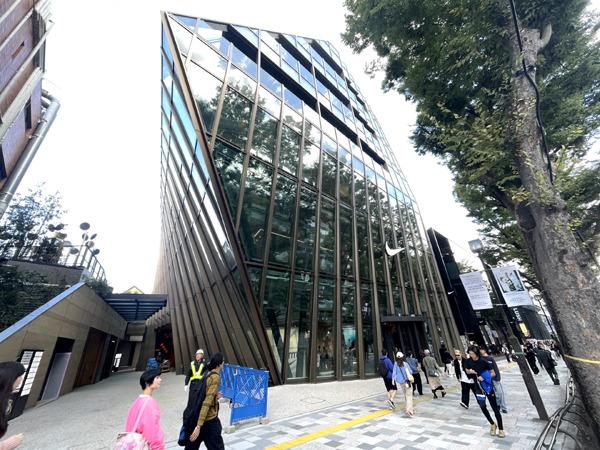
Artistry in Tokyo knows no bounds. The Tokyu Plaza Harajuku “Harakado” is not only an architectural masterpiece but also offers impressive views of the area from the living garden wall, an avant-garde selection of shops and restaurants, and a public bath. A short walk away is the Harajuku Quest building on Omotesando Avenue, featuring cutting-edge design and plans to make this a cultural hub.
With the Tokyo brand of Old meets New in mind, artistry is reflected in the city’s temples and shrines. In the vicinity of the Tokyo Tower, the venerable Zojiji Temple has stood on this location since 1598 and has seen six Tokugawa Shoguns interred in the Mausoleum. Close by is the picturesque Toshogu Shrine, dedicated to the first Shogun, Tokugawa Ieyasu.
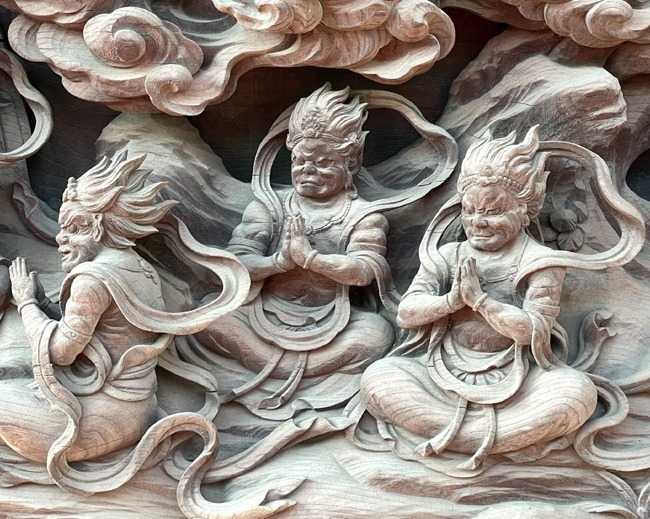
And even more incredible was our visit to the Kyoeizan Daikyo-ji Temple in Shibamata. A shopping street leads to a tori gate, which reveals the beautiful temple buildings and an ancient pine tree. The gallery of intricately wood-carved Lotus Sutra scenes is beyond belief, while the temple garden, with its stone lanterns and Koi pond, is calming and meditative.
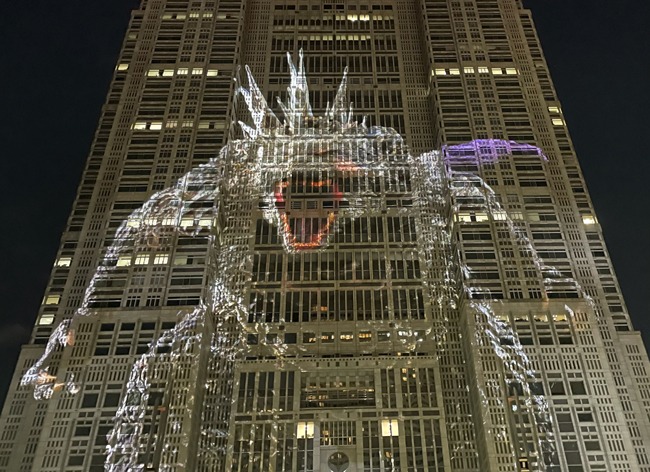
Urban visual harmony is captured in Tokyo Night and Light at the Metropolitan Building in Shinjuku. Each fifteen-minute show is a fun, cartoon/anime/manga palette of mesmerizing colors and music, including Pac-Man eats Tokyo, depictions of Godzilla from the 1960s to the present, and more.
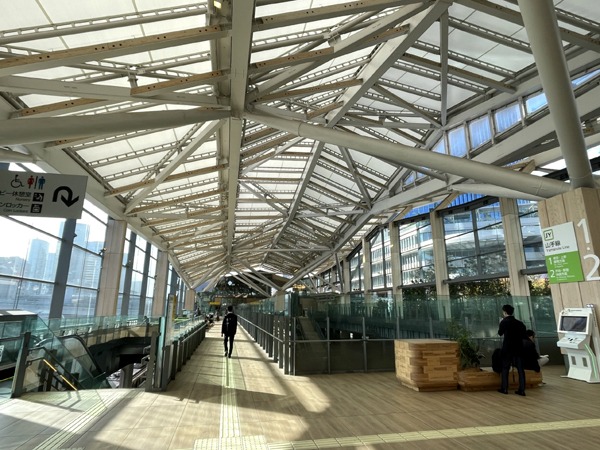
Takanawa Gateway City is one of Tokyo’s newest attractions. Access is via the creatively designed Takanawa JR Station or the Sengakuji Metro Station, which is also the gateway to the eponymous temple where the 47 Ronin are buried. Takanawa architecture is beautiful, with a fountain park outside and wood panelling inside. Stores, cafés, and art installations distinguish the lobbies of the two towers.
The JW Marriott Hotel Tokyo, which opened in October 2025, is a fantastic property in the Linkpillar1 South Tower, where the recurring artistic theme of ‘darkness to light’ runs throughout. When we entered our large, comfortable room in the dark, the curtains automatically parted to reveal a panoramic city view. And in the morning, from the 24th floor, we sipped coffee in our room as Mt. Fuji peeked at us in the distance.
Tokyo’s food culture is world-renowned. The expression “hoppeta ga ochiru” literally means “My cheeks are falling off”. It refers to something incredibly delicious, almost beyond description, and we found ourselves in this gastronomic quandary many times during our stay.
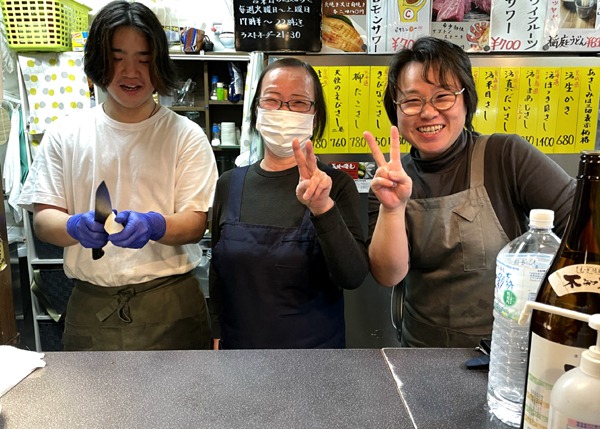
We relished our return visit to Zowasan, a welcoming stand-up seafood izakaya in Kita Senju, where the food is so fresh and tasty: Buri, Bonito, Kanpachi, Herring, and Octopus sashimi, beef tongue tsukune, deep-fried oysters, fishcake, shrimp, and maitake tempura, plus delicious sakes from Fukuoka, Hyogo, and Hiroshima.
On our 2025 visit, we learned about Zowasan II in Sekiya. We tried it out for pre-dinner snacks, and concluded that the food was fantastic. The salmon sashimi was unbelievably fresh, almost sweet. (Our cheeks were falling off).
However, dinner that evening had been wisely reserved at the very popular Uomasa in Kanegafuchi, only 2 train stops away. While the sashimi was beyond excellent, the star dish of the evening was the snapper kamayaki—grilled jawline. The taste was outstanding.
Other izakayas we tried for the first time for lunch or dinner were equally astounding, each with a notable dish that defined the experience and prompted plans for a return visit. At Shigekin, a stand-up seafood izakaya in Shinkoiwa, it was the grilled mackerel. At Ozeki in Shimbashi, it was the nakaochi teshoku featuring a mountain of tuna scrape, with rice, pickles, and miso soup. At Wasuke in Machiya, it was ankimo (monkfish liver) and kurage (jellyfish) with momiji oroshi (daikon mixed with red chili pepper). And at Kaisendonya Kishu in the Ota Market, it was the chirashi (assorted seafood on rice).
Sakanaya Tetsu in Shimbashi stirs things up a bit. The Chef, Hayashi Satoru, explained that they use salted wasabi rather than soy sauce to provide a more authentic taste for those who are hung up on drowning their seafood in soy sauce. Amazing dishes included grilled oysters in butter and garlic, and the tuna sandwich (!), made with grilled, fresh tuna, packed between toasted bread with creamy mayo.
Culinary delights continued at Nanakura in Shimbashi, where the cold Udon Noodles are served with an exceedingly tasty sesame, scallion, and mushroom dipping sauce, alongside a yummy bowl of tuna (or salmon) donburi. And then there is Sushi Ogawa in Ginza, where patrons wait in anticipation as Chef Tetsuji Ogawa expertly handcrafts each individual dish of nigiri sushi.
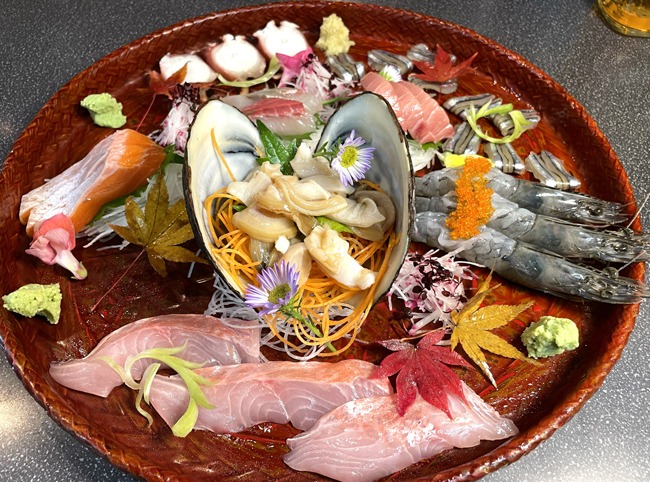
And for those looking to see artists at work, there’s no better place than Shibata Wasuke in Kappabashi. It’s a super-friendly place, where Chef Ayumi Shibata creates beautiful, seasonal, mouth-watering dishes.
Each visit to Tokyo beckons travelers to visit again. There is so much happening, and always new and different attractions, hotels, neighbourhoods, and restaurants to satisfy the senses. Travelers looking to infuse their travel adventures with positive energy need look no further.


