

Malaysia
Unveiling the Wonders of Sabah, Borneo, Malaysia
Article and photography by Steve Gillick
Mr. William, our guide with Amazing Borneo Tours, wore a company hat with the words “Unveil Wonders” embroidered on the back. This phrase resonated with me as a culture-seeker, foodie, nature lover, and bird photographer. It was exactly what I wanted to do on my return trip to Borneo, after visits to Sarawak in 1988 and Sabah in 2009.
Royal Brunei Airlines carried us from our base in Tokyo to Bandar Seri Begawan, then on to Kota Kinabalu in the early evening. Kota Kinabalu refers to the city (Kota) and the nearby mountain (Kinabalu). The name ‘Kinabalu’ derives from Aki Nabalu, a phrase of the Kadazan-Dusun people (the largest indigenous ethnic group in Sabah) meaning ‘the revered place of the dead’, which honors the belief that when someone dies, their spirit ascends the mountain.
We spent the night at the five-star Hyatt Regency Hotel, located about 20 minutes from the airport. It sits on the waterfront and is a short walk from the day and night markets.
Our explorations began bright and early the next day when we met Mr. William and set out for Kinabalu Park in the Crocker Mountain Range. The scenery becomes all the more alluring the closer one gets to the ‘sacred’ mountain. At the Temparuli Suspension Bridge, members of the NGO, PESTA, demonstrated traditional Malaysian musical instruments and dances. Afterward, to the accompaniment of a sweet serenade from an Oriental Magpie, we walked across the famous bridge. According to legend, a shaman determined that, to quell the spirit of the raging rainy-season waters that kept destroying the original bridge, a maiden should be sacrificed. And since the alleged martyrdom, the bridge has remained strong. On the far side of the bridge, community tourism is in full swing, with several small indoor and outdoor market stalls selling fruit, food, and souvenirs.
We stopped a few times to take photos of the stunning mountain scenery. Near the village of Tanak Nabulu, known for its pineapple and coffee plantations and a popular homestay program, mountain flowers framed postcard vistas of both Mt. Kinabalu and the smaller Mt. Nungkok (known as ‘the son of Kinabalu’).
Further down the road, we admired a striking bed of bright yellow flowers and posed with them, only to be informed that they were poisonous Angel’s Trumpets. A safer stop, a short distance away, afforded views of the 700-meter Kadamaian (peaceful) waterfall, the highest in Malaysia.
Lunch was at the Farmers Restaurant, just outside Kinabalu Park. The Kampungka (My Village) platter provided brown rice, fried fish, melon soup, green beans, turmeric chicken, winter melon, sweet banana, and locally grown Sabah Tea and Coffee Tenom.
Inside the Park, we spent a day and a half walking, birding, and enjoying magnificent views of the mountainous terrain. Malaysia has 688 species of birds, including migrants and 67 endemics, making it an ideal destination for birders and those who simply enjoy color and song.
While climbing the 4,095-meter (13,435-foot) mountain was not on the agenda, several thousand people annually embark on the two-day, 8.7-kilometre climb. The first-day trek is 6-7 hours, covering 6 km, and on the second day (the Big Day), the summit climb is 3-4 hours. A video at the entrance to the climbing zone warns of the possibility of sudden, unexpected rainfalls that can turn the summit into a waterfall, making the ascent or descent treacherous.
Birding highlights on the first day included a Bornean Treepie, Whitehead’s Broadbill, Black-sided Flower Peckers, endearing Indigo Flycatchers, and one very curious Eyebrowed Jungle Flycatcher. On the evening Owl prowl, we were lucky to spot a Barred Eagle Owl.
Simple accommodation was at the Hill Lodge inside the Park, with buffet meals provided a few minutes’ walk away.
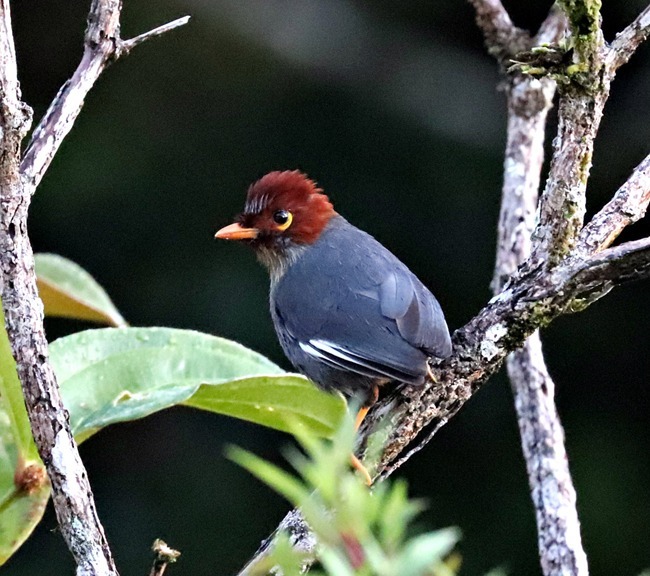
The following day, we explored the Lower Mountain Forest Trail and the Silau-Silau Trail to appreciate the ambiance of the forest (a meaningful experience in Japanese ‘shinrinyoku’). We also visited the Kiau Gap View, a gorgeous panorama of the mountainous region, with a monument commemorating UNESCO’s recognition of the area as a World Heritage Site in 2000 for its unique biodiversity. Kinabalu Park was added to the UNESCO Global Geoparks list in 2023. Birding highlights included the Chestnut-hooded Laughing Thrush, a Bornean Green Magpie, and a beautiful red Temminck’s Sunbird.
On the return drive to Kota Kinabalu, we made a photo stop at the smoky village of Bongol, where, next to a chalkboard stating “No Pork, No Power”, several vendors were grilling pork for takeout or to enjoy in the restaurant along with rice, spice, and beer.
Lunch was in the town of Tamparuli at Restoran Wun Chiap, known for their signature dish, Tamparuli Mee: delicious fried noodles with pork, washed down with a cold Tiger Beer.
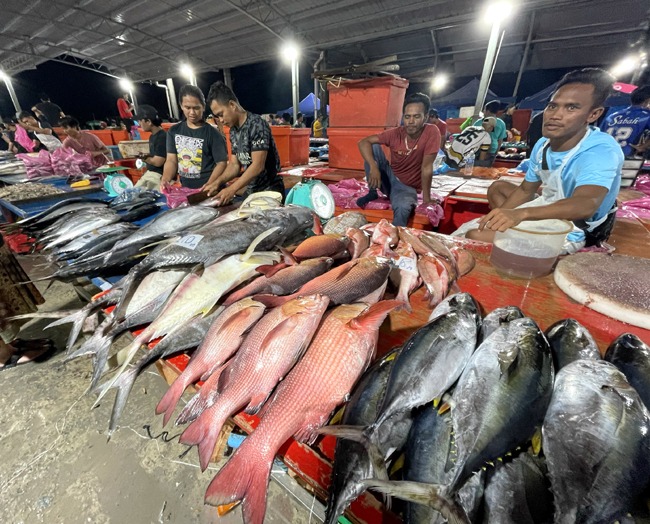
Back in Kota Kinabalu, we checked back into the Hyatt Regency and took advantage of its waterfront location by exploring one of the seafood night markets. And we returned to the same area the next morning at 5:30 to visit the thriving fish market, chat with the vendors, and marvel at the variety of catches, from pufferfish and hammerhead sharks to mackerel, grouper, snapper, tuna, and much more.
A one-hour morning flight brought us to Sandakan, where, after checking into the Sabah Hotel, we took a taxi to the Rainforest Discovery Centre. The RDC paths, trails, gardens, and towers provide countless opportunities to encounter wildlife. This can range from birds, such as Trogons, Crimson-winged Woodpeckers, Thick-billed Spider Hunters, and Rhinoceros Hornbills, to Asian Water Monitor Lizards and, sometimes, Orangutans.
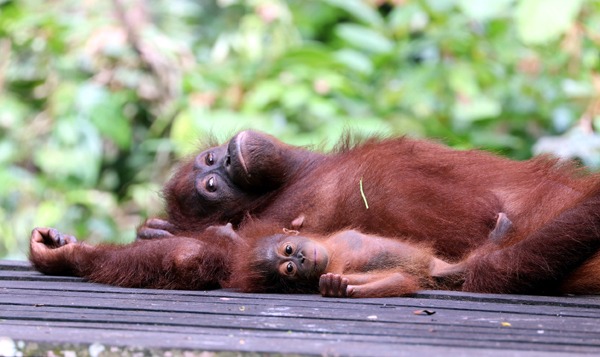
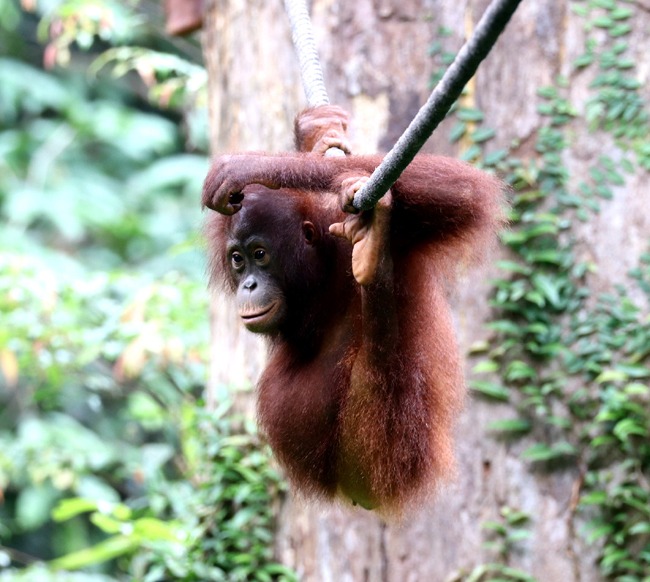
But visitors can learn more about Orangutans, a short drive or twenty-minute walk away at the Sepilok Orangutan Rehabilitation Centre. Males, moms with their babies, and individuals swing in from the jungle toward the feeding platform twice a day to partake of the fruits and vegetables. Antics, acrobatics, relationships, disagreements, and hoarding are all part of the feeding-socialization exercise.
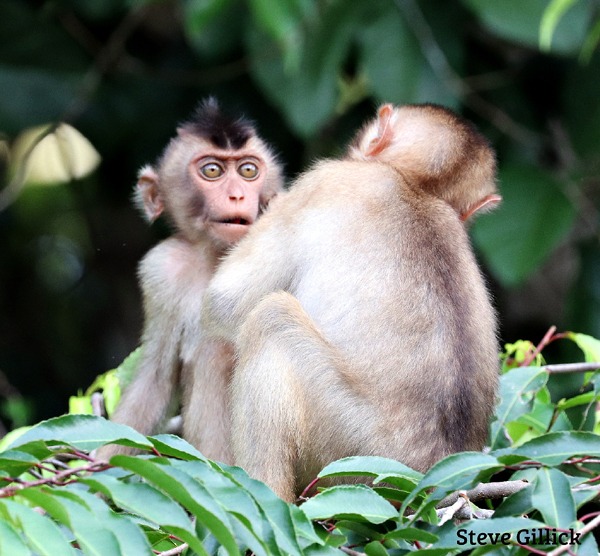
In the Outdoor Nursery, not far away, young Orangutans and macaques interact with their mothers and other family members and feed with them. And on the return boardwalk, we encountered a venomous Bornean Keeled Pit Viper and a non-venomous Gray-tailed Racer snake, as well as a White-lipped tree frog, and a wide-eyed Flying Lemur (Colugo), hugging a tree.
Sepilok is home to the popular, family-oriented Bornean Sun Bear Conservation Centre, where visitors can learn about and observe Sun Bears. As a matter of note, two Sun Bears, Wira and Manja, are the official mascots of the Visit Malaysia 2026 tourism campaign.
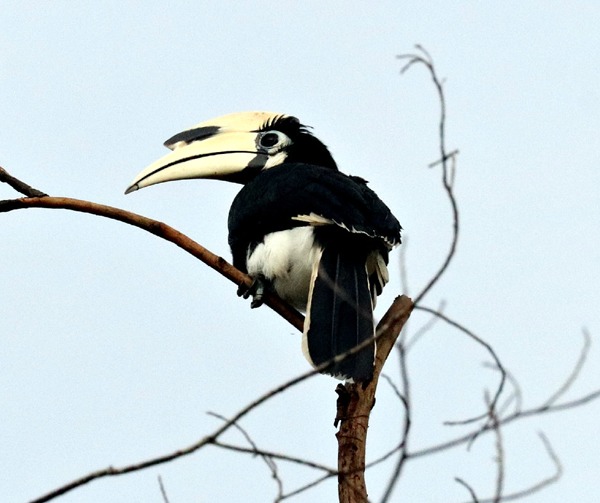
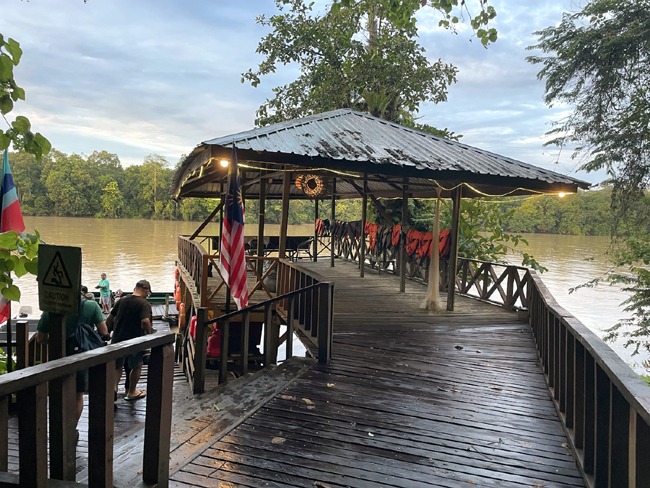
And then, after a two-hour drive, we arrived in Sukau at a dock on the Kinabatangan River, the second-longest river in Malaysia. While waiting for our boat transfer, we excitedly spotted an Oriental Pied Hornbill in a palm tree. We were on our way to the Borneo Nature Lodge, where we would spend two nights in a simple, cozy, bungalow-type room. The Lodge location, in the jungle, on the river, was super-convenient for exploring, and we ended up taking six boat trips from glorious morning sunrises to spectacular evening sunsets, in pouring rain and searing sunshine, and loved every minute.
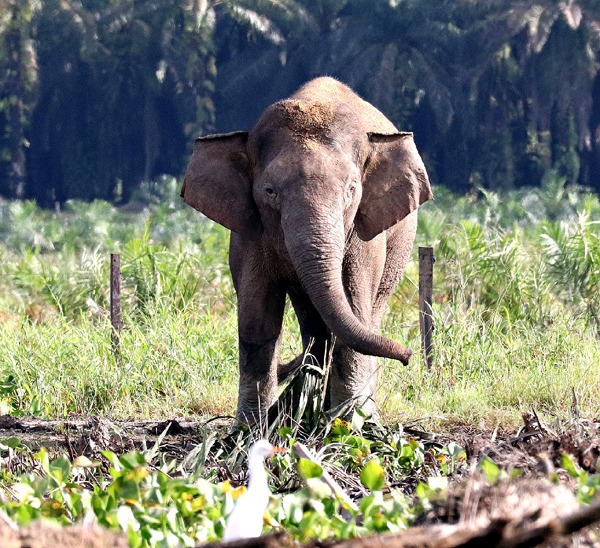
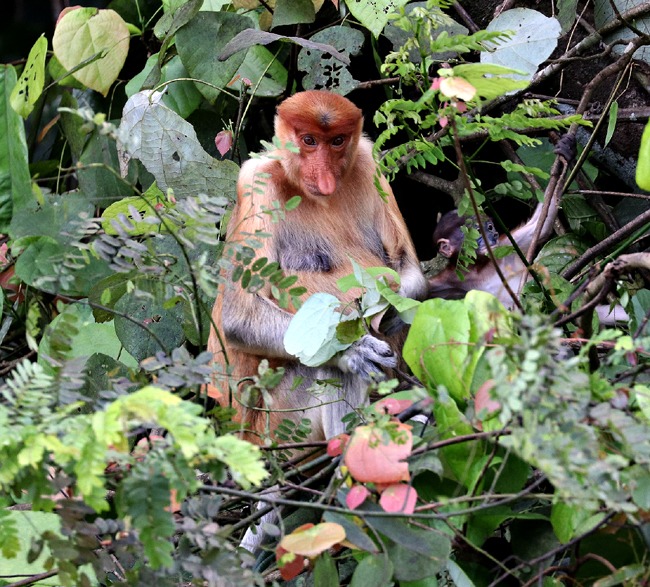
From the boat, we encountered families of Proboscis monkeys, troops of Long-tailed Macaques, and a Silver Langur. We spotted beautiful Stork-billed, Blue-eared, and Collard Kingfishers, watched Borneo Pygmy elephants in forests and farm fields, and spotted Hornbills, Myna Birds, Storm’s Storks, White-bellied Sea Eagles, Serpent Eagles, Blue-throated Bee Eaters, Dollar Birds, Oriental Darters, and more. During a night cruise, our guide shone his flashlight on Buffy Fish Owls, Yellow Bitterns, Red-Crowned Night Herons, White-breasted Waterhens, colorful Kingfishers, and a crocodile.
Alas, with genuine reluctance to depart, we took the boat and then the van back to Sandakan Airport for the flight to Kota Kinabalu and back to Tokyo.
This was a memorable adventure that definitely unveiled the wonders of Sabah. The plan is to return during Visit Malaysia 2026.


