

Cruise
Where Nature Makes the Rules
Exploring Svalbard’s Wild Edge with Aurora Expeditions
Article and photography by Judi Cohen (Traveling Judi)
At 81°33′ North, on the edge of the Arctic pack ice, I found myself staring at one of the most unforgettable sights of my life.
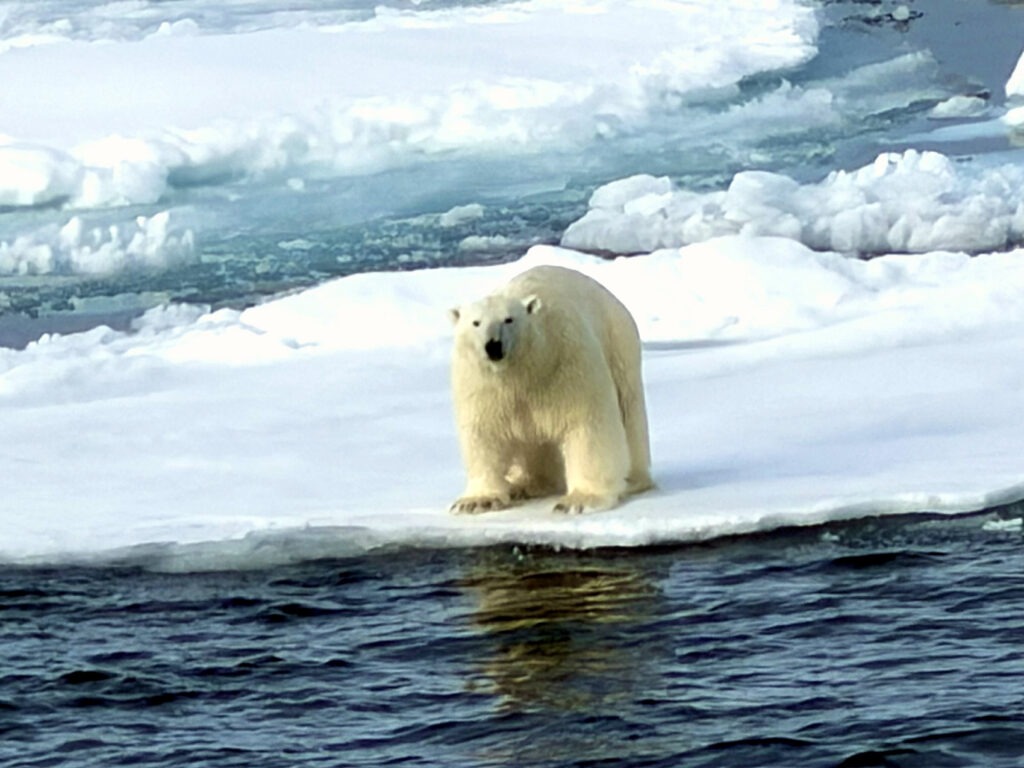
An adult male polar bear appeared ahead of our ship, moving deliberately across the drifting ice floes. Without hesitation, he slipped into the frigid Arctic Ocean and swam effortlessly from one slab of ice to another. Moments later, he hauled his massive body from the water, his thick creamy-white fur dripping as he shook himself vigorously, reminding me of my fluffy Samoyed after a swim in a lake.
Camera shutters clicked in rapid bursts, yet no one spoke. Every passenger aboard Aurora Expeditions’ Sylvia Earle stood motionless, completely captivated. I watched his dinner-plate-sized paws grip the ice while he lifted his head, sniffing the air before calmly continuing across the frozen landscape.
For one magical moment, I imagined he glanced back at us, wondering why this strange gathering of humans stood silently on every deck with enormous camera lenses pointed in his direction.
Because we were observing him well beyond Svalbard’s protected coastal areas, our expedition team was able to watch from a respectful yet wonderfully close distance without disturbing his natural behaviour. It felt less like watching wildlife and more like being quietly accepted into his world.
That single encounter captured everything I came to love about Aurora Expeditions’ Svalbard in Depth voyage. This wasn’t simply another cruise. It was surrendering to nature, allowing weather, wildlife and sea ice, not schedules, to determine every unforgettable day.
A Place Unlike Anywhere Else
I’ve travelled throughout the polar regions, including Antarctica, Greenland and Canada’s High Arctic. Every expedition has left its own mark on me, but Svalbard felt different from the moment I arrived. It isn’t simply beautiful. It is a place where nature still calls every shot, and visitors quickly discover they are only temporary guests.
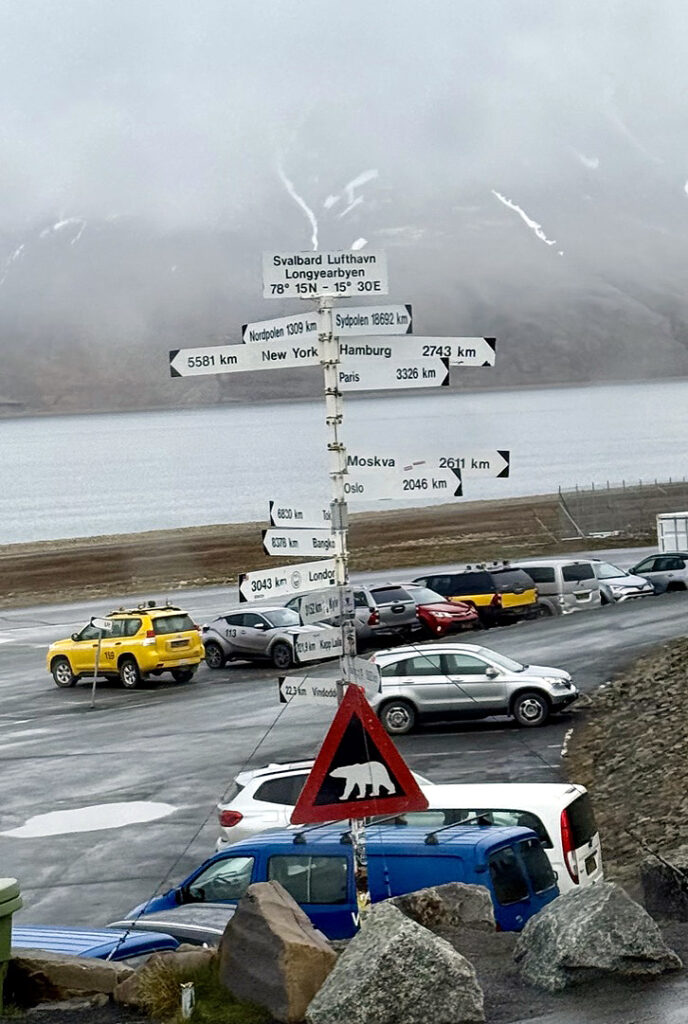
Our adventure began with Aurora Expeditions’ charter flight from Oslo to Longyearbyen, Svalbard’s tiny administrative centre. Although Svalbard belongs to Norway, everyone, including Norwegians, must show a passport when entering because the archipelago sits outside Norway’s customs territory.
Before boarding the ship, I spent time at the Svalbard Museum, where I quickly discovered this is no ordinary destination.
One of Svalbard’s most famous stories is that people are not buried here. Because bodies do not decompose properly in the permafrost, residents nearing the end of life are transferred to mainland Norway. Expectant mothers also leave several weeks before giving birth.
Cats are prohibited to protect vulnerable bird populations. Visitors remove their shoes before entering many buildings, a tradition dating back to the coal mining era. The archipelago has only about 40 kilometres of roads, making ships, Zodiacs and snowmobiles the true transportation network.
Then there is the remarkable Svalbard Global Seed Vault. Standing outside its striking entrance carved deep into the mountainside, I found it fascinating to learn that more than 1.3 million seed samples from almost every country are preserved inside. In this remote Arctic wilderness, better known for polar bears than people, lies one of humanity’s greatest insurance policies. Should disaster threaten global agriculture, these frozen seeds could help restore crops for future generations. It was a powerful reminder that Svalbard matters far beyond its dramatic scenery.
Life Aboard an Expedition Ship
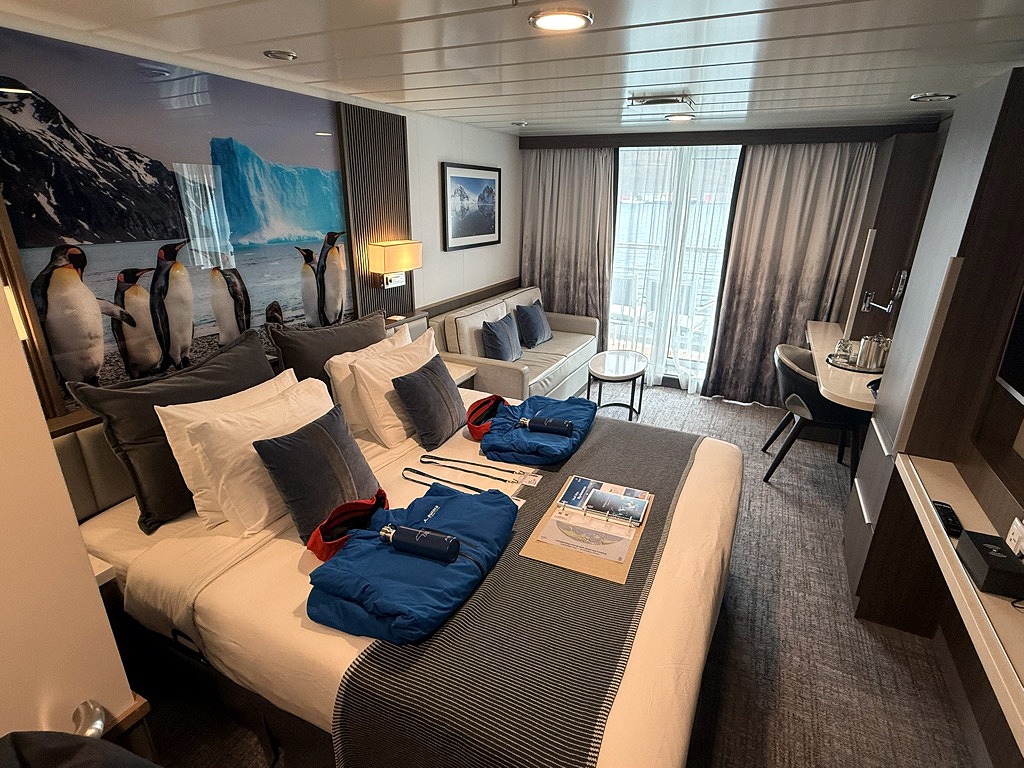
Once aboard Sylvia Earle, life settled into the wonderfully unpredictable rhythm that defines expedition cruising.
There were no rigid schedules or guarantees. Every morning began with anticipation as the expedition leaders studied weather forecasts, sea ice charts and wildlife reports before deciding where we would go.
Fifteen days gave us time to circumnavigate much of the archipelago and venture farther north than many expeditions can reach on a shorter itinerary.
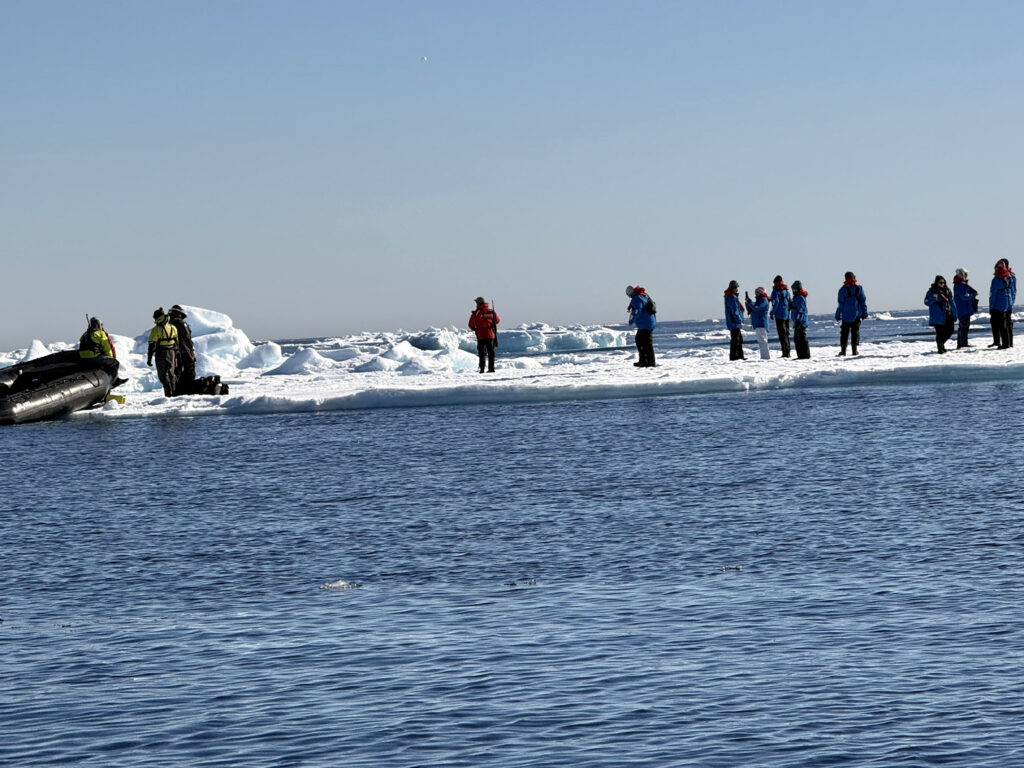
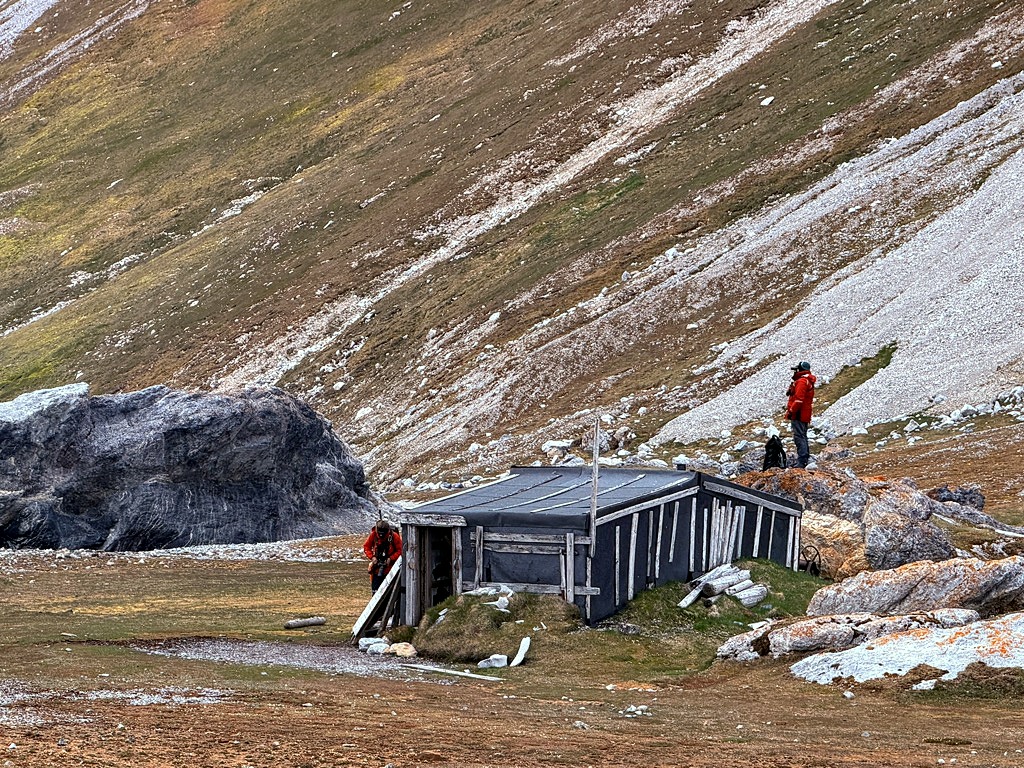
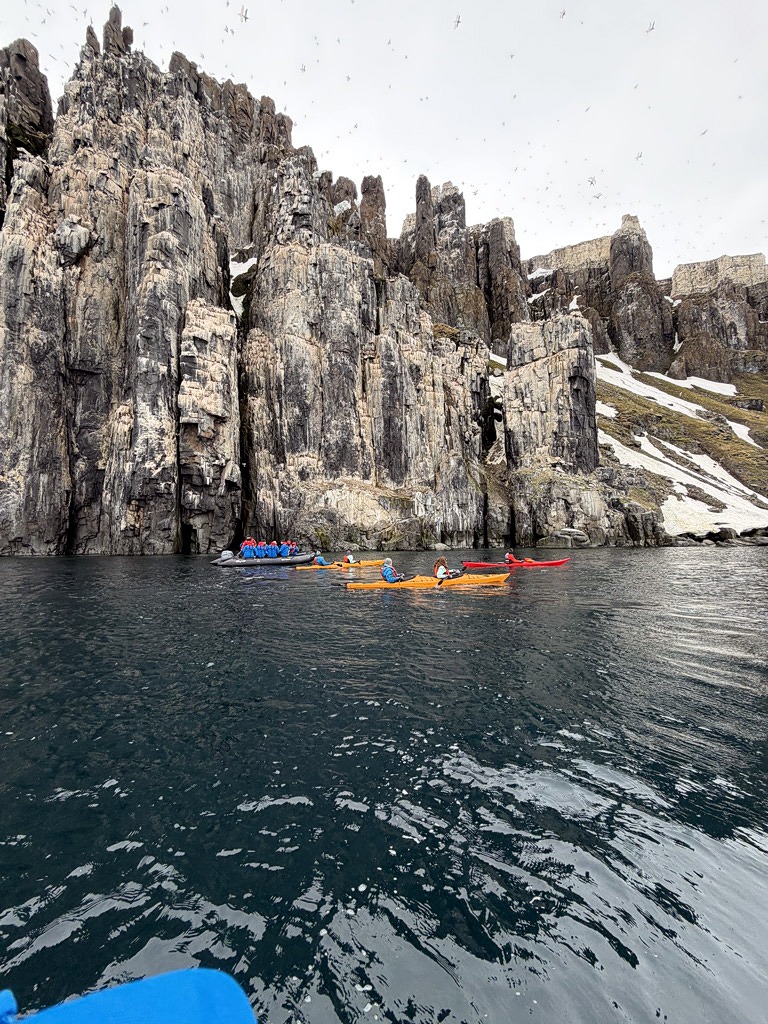
Most days included one or two Zodiac excursions. We cruised beneath towering glaciers, threaded through floating ice and stepped ashore on beaches where no docks, roads or signs of civilization existed.
The expedition staff transformed each outing into something far richer than sightseeing. Marine biologists explained the behaviour of whales and walruses. Naturalists interpreted bird colonies that initially looked like noisy chaos but soon revealed intricate ecosystems. Geologists pointed out mountains sculpted by ancient glaciers, while a ship photographer patiently shared techniques that helped us capture incredible images without forgetting to simply watch.
Their enthusiasm was infectious. By the end of the voyage, we weren’t simply seeing Svalbard, we were beginning to understand it.
A Landscape Built for Survival
Wildlife appeared almost daily, often when we least expected it.
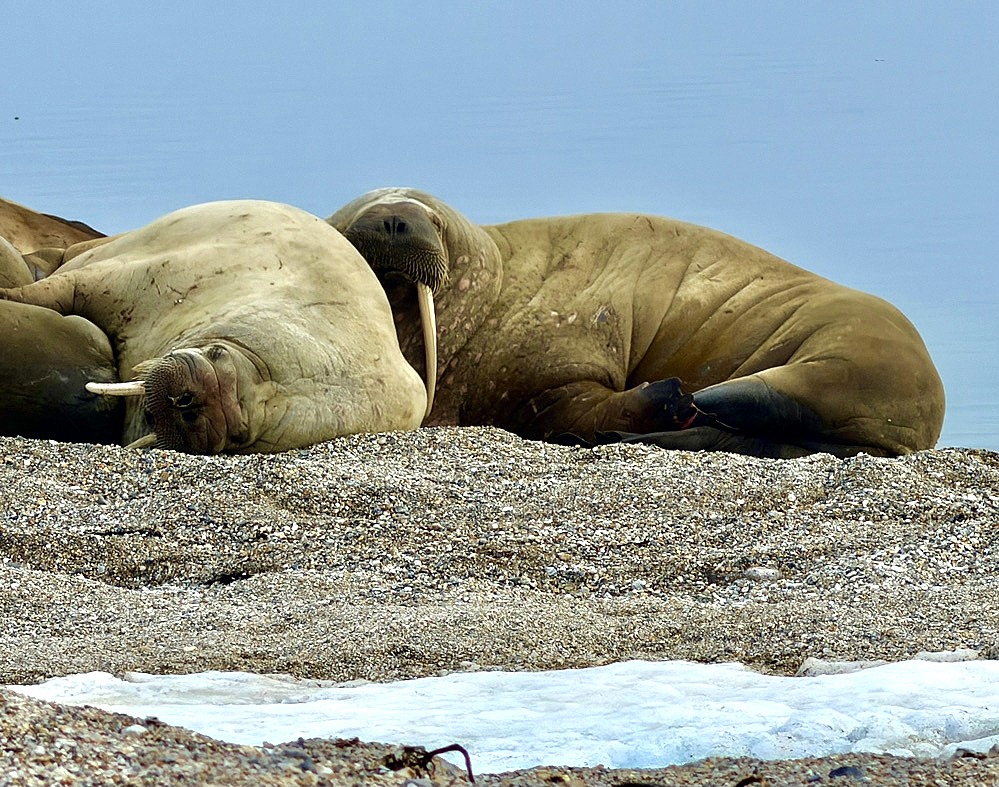
Groups of walruses lounged shoulder to shoulder on rocky beaches, occasionally lifting their whiskered heads before collapsing back into noisy heaps accompanied by snorts, belches and snores.
One afternoon, around seventy belugas surfaced beside the ship, their ghostly white bodies glowing beneath the Arctic light. Even our captain remarked that in his entire career he had never witnessed so many belugas gathered so close to a vessel.
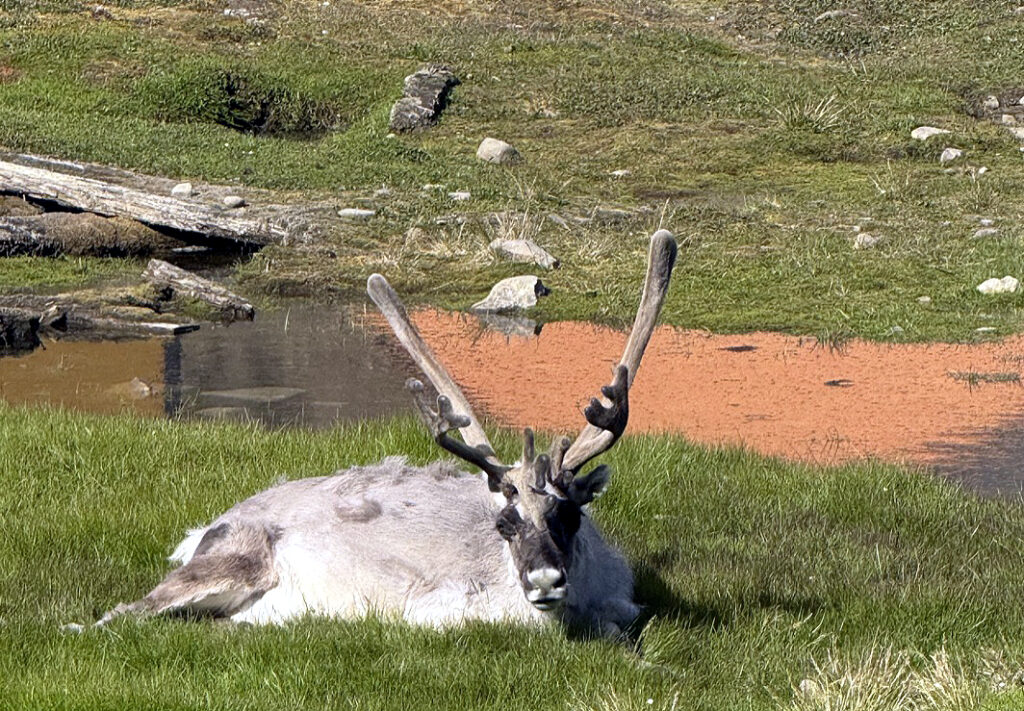
Stocky Svalbard reindeer grazed peacefully across the sparse tundra while Arctic foxes patrolled nesting bird colonies, ever alert for an unattended egg or fallen chick.
Towering cliffs came alive with thousands of guillemots, kittiwakes and puffins occupying every available ledge. Often, we heard the colonies, long before we saw them, their calls echoing across the fjords in a constant chorus of Arctic life.
What struck me most was how interconnected everything felt. Foxes depended on the bird colonies. Walruses searched the shallow seabed for shellfish. Belugas followed schools of fish. Polar bears relied on sea ice to hunt seals. Every species had evolved to survive in conditions that initially seemed impossibly harsh.
Less than ten percent of Svalbard supports vegetation. Despite its glaciers and snowfields, it is technically an Arctic desert, receiving surprisingly little precipitation each year. Looking across mountains covered only by patches of moss, lichens and tiny wildflowers, I gained a new appreciation for the resilience required to flourish here.
Nature Has the Final Say
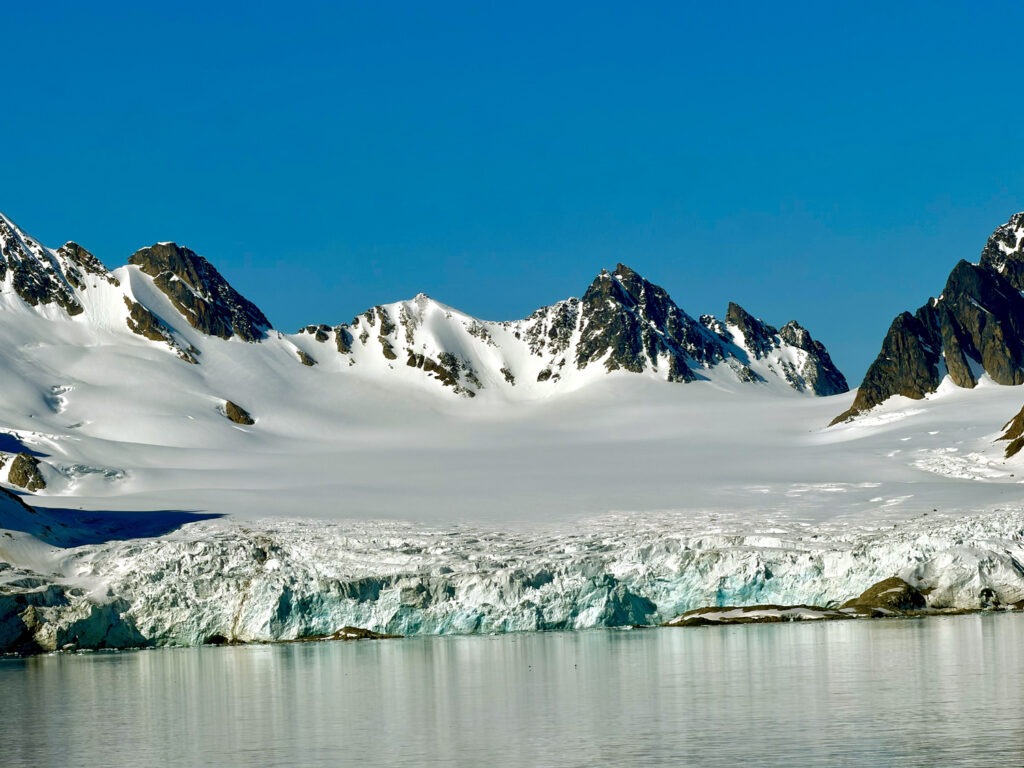
Standing before immense glaciers, I realized these weren’t just spectacular backdrops for photographs. They are among the world’s most closely monitored indicators of climate change. Yet this voyage never felt like a science lecture. It felt personal. Each Zodiac cruise, wildlife encounter and quiet walk across the tundra deepened my appreciation for an ecosystem where humans remain visitors rather than masters.
Perhaps that is Svalbard’s greatest lesson. In most places, we shape our surroundings. Here, nature sets the agenda.
That philosophy extends throughout Aurora Expeditions’ approach. Rather than forcing an itinerary, the expedition embraces uncertainty, trusting that nature will provide experiences far richer than anything planned on paper. It requires patience, curiosity and a willingness to let go of expectations. I came home feeling grateful about spending time in a place that still feels genuinely wild.
Whenever I think about Svalbard, my mind doesn’t first return to the glaciers, the bird cliffs or even the magnificent walrus haul-outs. I think about that solitary polar bear at 81°33′ North. I can still picture him climbing from the Arctic Ocean, water streaming from his thick coat as he shook himself before continuing confidently across the drifting ice. For a few precious minutes, our worlds overlapped. Then he disappeared into the white landscape, completely unconcerned with the audience he had left behind.
It was a humbling reminder that the High Arctic does not exist for us. We are merely observers in a place that has never belonged to humans.
That memory alone was worth traveling to the top of the world for.


