

Greece
Chania, Crete: The Beating Heart of Western Crete
Article and photography by Nicholas Kontis
During summer vacations in my birth nation of Greece, I would hop on ferries romanticizing far-flung islands. Since these early journeys, Crete has always been one of my favorite Greek Islands. It had been decades since I last spent an extended time exploring Greece’s largest island.
Perched on the northwest coast of Crete, the city of Chania is a place where history, natural beauty, and Cretan hospitality intertwine. With its Venetian harbor, labyrinthine old town, and proximity to some of the island’s most spectacular landscapes, Chania makes the perfect base for exploring the wild west of Crete. I set out on my exploration from the Cretan Dream Resort & Spa, located in Skalos, just outside Chania.
To truly experience it all, renting a car is a must. Crete is vast—Greece’s largest island—and its magic often lies in the hidden beaches, remote villages, and scenic mountain drives that buses rarely reach. From Chania, you can venture into lush gorges, visit coastal gems, and taste the island’s legendary cuisine from home chefs.
A City of Layers: Chania Old Town and Harbor
Start your journey wandering through Chania’s Old Town, one of the most enchanting in Greece. Its cobblestone lanes wind past pastel Venetian mansions, Ottoman fountains, and flower-draped balconies. The Venetian harbor, with its iconic lighthouse and fortress, is lined with cafés and tavernas dishing out delicious local meals perfect for people-watching or sipping raki as the sun sinks over the water.
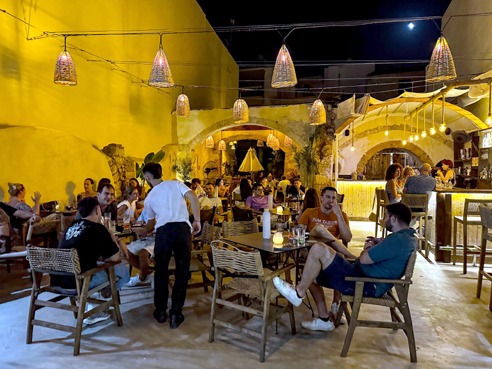
Visit the Maritime Museum or the Agora (covered central market) for local produce—olives, thyme honey, herbs, and Cretan cheese. The city’s atmosphere feels timeless, yet vibrant, blending the past and present seamlessly. Long summer nights in the high season months of July and August keep the Old Town packed with visitors and locals alike well into the morning hours.
Nature’s Masterpieces: Gorges, Springs, and Hikes
One of the island’s defining features is its dramatic landscape. South of Chania, the Samaria Gorge—Europe’s longest—offers an unforgettable hike through soaring cliffs and cypress forests to the Libyan Sea. It’s a full-day adventure, but it’s worth every step. For a shorter trek, the Imbros Gorge provides a less strenuous yet equally scenic alternative, winding through narrow passages and ancient stone walls.
Near the southern town of Plakias, don’t miss the Springs of Kourtaliotis, where cool, crystal-clear water gushes from the rocky cliffs into a lush valley. It’s a refreshing stop and an ideal picnic spot surrounded by fig trees and birdsong.
For a more offbeat hike, head to Mouzouras, a small village on the Akrotiri peninsula. From there, a trail leads you down to a hidden beach—a tranquil escape framed by cliffs and turquoise water. Few tourists find their way here, making it one of the area’s best-kept secrets.
Coastal Wonders and Seaside Villages
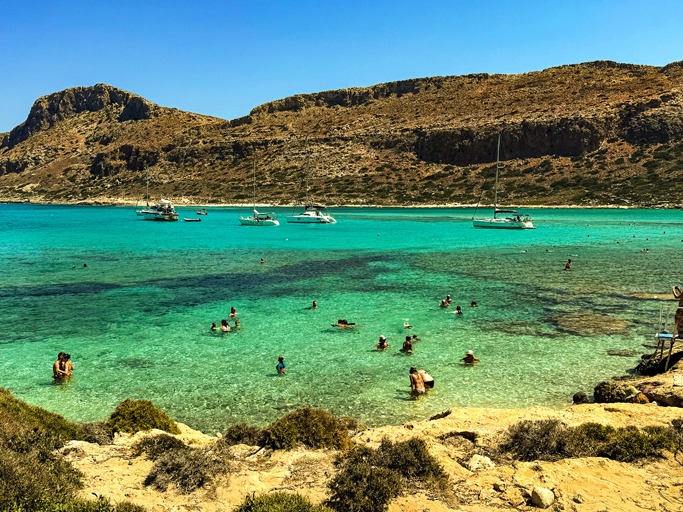
Crete’s beaches are legendary, and Chania’s region boasts some of the finest in the Mediterranean. Golden Bay (Chrissi Akti) lies close to the city—ideal for a leisurely swim or a sunset stroll. For something more exotic, head west to Elafonisi, famous for its pink-tinged sands and shallow lagoons, or to Balos Lagoon, a dazzling blend of turquoise and sapphire waters near Gramvousa Island. While I took a day boat trip, a 4×4 or a sturdy SUV is recommended for the bumpy dirt road leading to Balos, but the view from the clifftop is otherworldly.
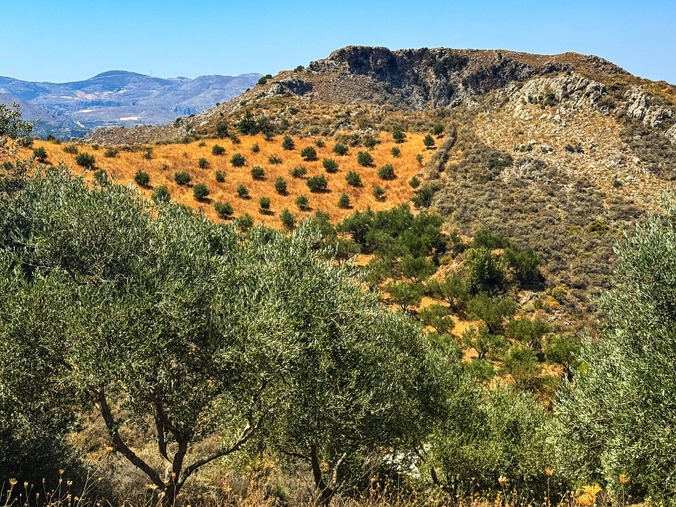
Continue to Platanos, a quiet village near Balos that offers traditional tavernas and views of olive groves rolling toward the sea. Further along the southern coast, you’ll find Frangokastelo, a hauntingly beautiful beach dominated by a Venetian fortress. Nearby Patsianos village makes a peaceful base for exploring this region.
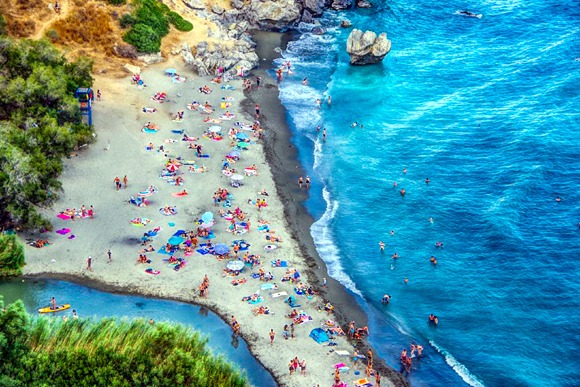
Other coastal highlights include Kalathas Beach (great for families), Loutro (a boat-access-only gem with whitewashed houses), Marmara Beach, tucked below cliffs at the end of the Aradena Gorge, and the pristine Preveli Beach, where a palm forest meets the river mouth in a tropical scene straight from a postcard.
On the far southwestern tip of Crete lies Paleochora, a laid-back seaside town known for its bohemian vibe, golden sands, and live music on warm summer nights.
Culture and Tradition: Crete Beyond the Beach
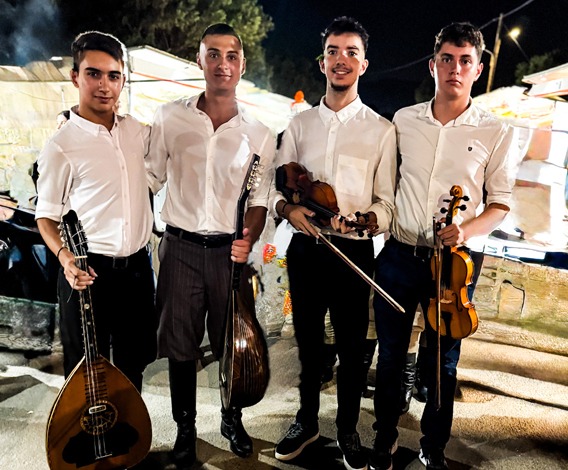
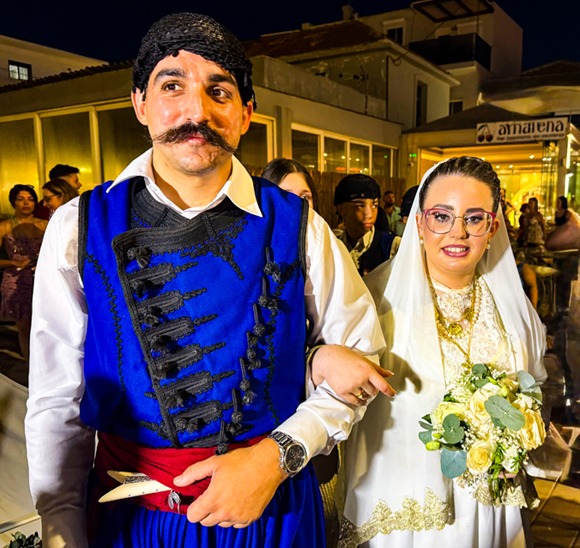
Crete’s spirit is rooted in its traditions and deep sense of community. In Kissamos, a town west of Chania, you might witness a Cretan wedding reenactment, a colorful local event celebrating folk music, dance, and ancient customs of love and marriage.
For a glimpse into authentic village life, head to Melidoni, a charming inland village surrounded by olive groves. You can explore the Melidoni Cave, steeped in history, or enjoy a coffee with locals who are always eager to share stories about their homeland.
Chania also offers meaningful travel opportunities. Join a sea turtle conservation project along the coast—volunteers monitor nests, protect hatchlings, and educate visitors about preserving Crete’s fragile ecosystems. It’s a rewarding way to connect with the island beyond sightseeing.
Day Trips: Rethymnon and Beyond
A scenic drive east takes you to Rethymnon, Crete’s third largest city and another historic jewel. Its Venetian harbor, winding alleys, and lively tavernas make it an ideal day trip from Chania. Stop for a coffee by the Fortezza fortress, explore the old town’s artisan shops, and savor fresh seafood by the waterfront before heading back west through rolling countryside dotted with olive trees.
Taste of Crete: The Island’s Culinary Soul
Cretan cuisine is the backbone of the Mediterranean diet, and Chania is the perfect place to taste it at its source. Meals are simple yet deeply flavorful, built on local olive oil, honey, fresh herbs, and seasonal vegetables. As in all of Greece, meals are served on plates meant to be shared.
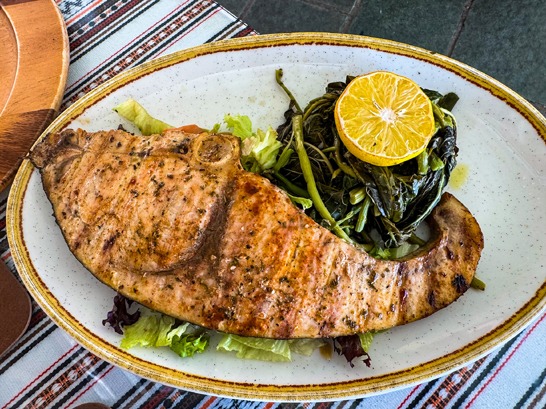
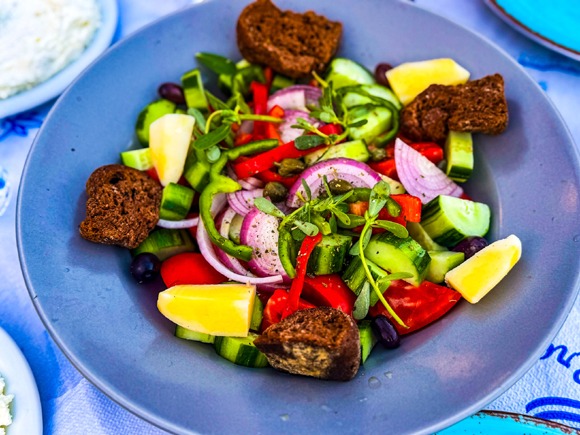
Signature dishes include dakos (barley rusk topped with tomatoes and mizithra cheese), kalitsounia (small sweet or savory pies), lamb with stamnagathi (wild greens), and chaniotiko boureki, a baked zucchini-and-cheese pie unique to Chania. Don’t miss a drizzle of thyme honey over yogurt for dessert, paired with a glass of raki or local wine.
Visit a family-run olive oil farm or honey producer to see how these staples are made, or better yet, take a cooking class in a village kitchen. Learning to prepare Cretan dishes from locals offers a deeper appreciation for the island’s culture and the role food plays in it.
Why You Should Rent a Car
Crete is made for exploration. While Chania itself is walkable, the most rewarding experiences—hidden beaches, mountain drives, village tavernas, and natural wonders—require flexibility. Renting a car gives you the freedom to discover places that public transport never reaches, from the olive-scented hills of Melidoni to the rugged beauty of Balos and Samaria Gorge.
Driving through Crete’s winding mountain roads, you’ll find that every turn offers something new: a roadside chapel, a herd of goats, or a view that takes your breath away.
Chania Awaits
Chania is more than a destination—it’s an experience of contrasts and connections. Venetian streets meet Cretan mountain trails; ancient history flows into modern island life. Whether you’re wandering the harbor at dusk, hiking through gorges, swimming in sapphire coves, or sharing meze with new friends, you’ll find that Chania captures the very soul of Crete—wild, generous, and unforgettable.


