

USA
Discovering Southwest Wyoming
by Randy Mink
When experienced travelers hit the road, they like new places that are rather obscure, off the beaten path, away from the crowds. My recent trip to Southwest Wyoming met those criteria.
A kingdom unto itself, Sweetwater County, a sprawling domain where the state’s southwest corner meets Utah and Colorado, is hours away from Yellowstone and Grand Teton, two of America’s most-visited national parks. But because the major towns—Rock Springs and Green River—command exits on Interstate 80, their hotels and restaurants host many road-trippers on their way to or from those popular Wyoming preserves, and to Utah national parks as well. While some motorists are just passing through, those who linger find much to discover.
Sweetwater County, bigger than six states but sparsely populated, is one of the largest counties in the country. (Wyoming is the 10th largest state in size but, with only 590,000 residents, the least populous.)
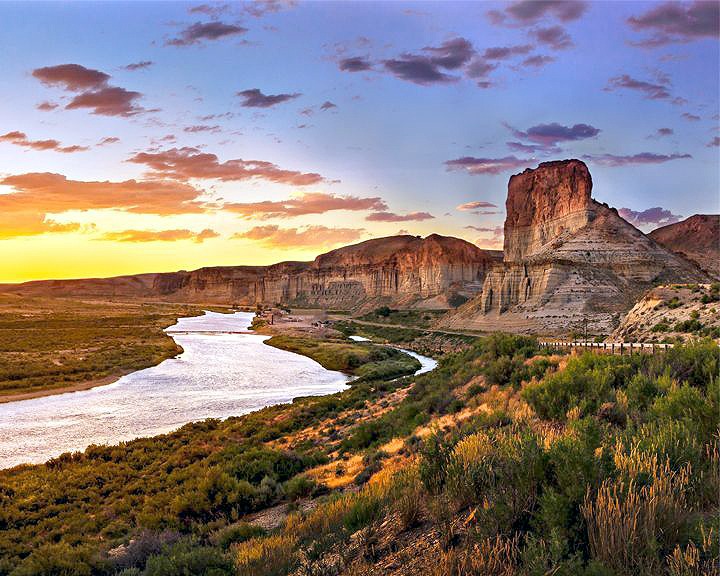
At elevations of more than 6,000 feet, this high-desert empire offers sweeping vistas of rugged public lands covered in sagebrush and backed by barren mountains, all under an infinite Wyoming sky.
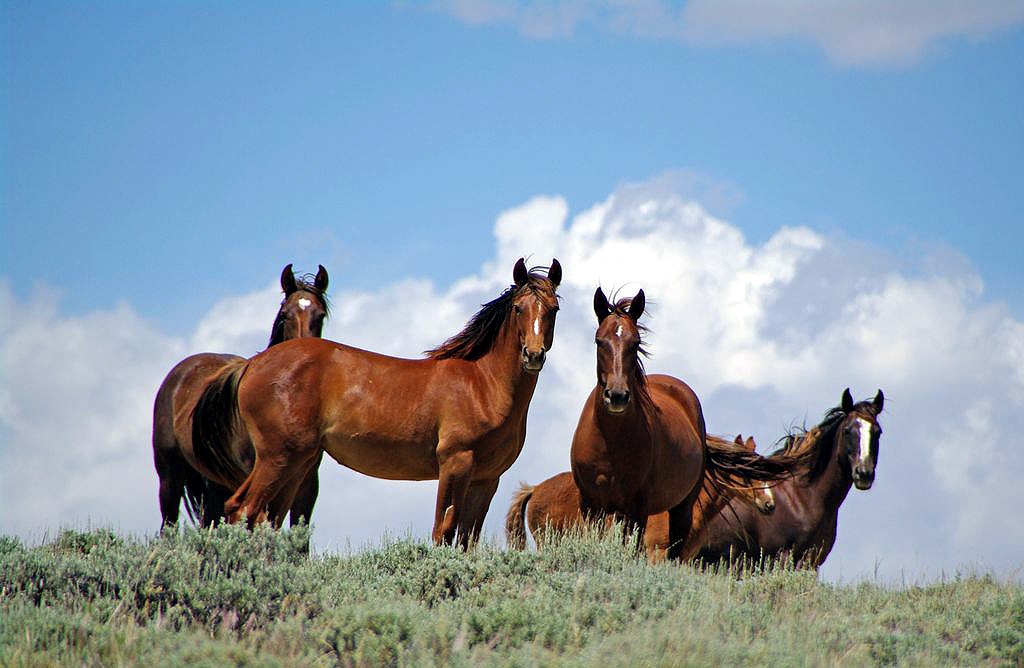
Going down gravel roads, my group was always on the lookout for wildlife, especially wild horses. One morning we drove the Pilot Butte Wild Horse Scenic Loop in hopes of spotting a few of the 1,000-plus horses that roam free in the scrubby wilderness. We did see horses in the distance but were luckier another day when, conveniently for us, they were grazing roadside.
We did some hiking at Killpecker Sand Dunes, one of the world’s largest active dune fields. Some tackle the hills in dune buggies, dirt bikes and ATVs, while others surf the shifting expanse of golden granules on sandboards and sleds.
Flaming Gorge Country
In this corner of Wyoming, the highlight for me was the full-day bus tour following Flaming Gorge Scenic Byway, newest of the country’s 37 designated All-American roads. Departing from Rock Springs on select days during the summer, the tour showcases dramatic high-desert and alpine scenery as it encircles Lake Flaming Gorge, a 91-mile-long reservoir that begins in Wyoming and continues into Utah. (When the sun strikes the red sandstone walls at certain times of day, they appear to be on fire, thus the name Flaming Gorge, as given by an early explorer.)
Besides viewing red-rock cliffs and boulder-strewn stands of junipers in Flaming Gorge National Recreation Area, we caught glimpses of wildlife—pronghorn, mule deer, wild mustangs, bighorn sheep, ospreys, bald eagles and river otters.
Multi-Ethnic Rock Springs
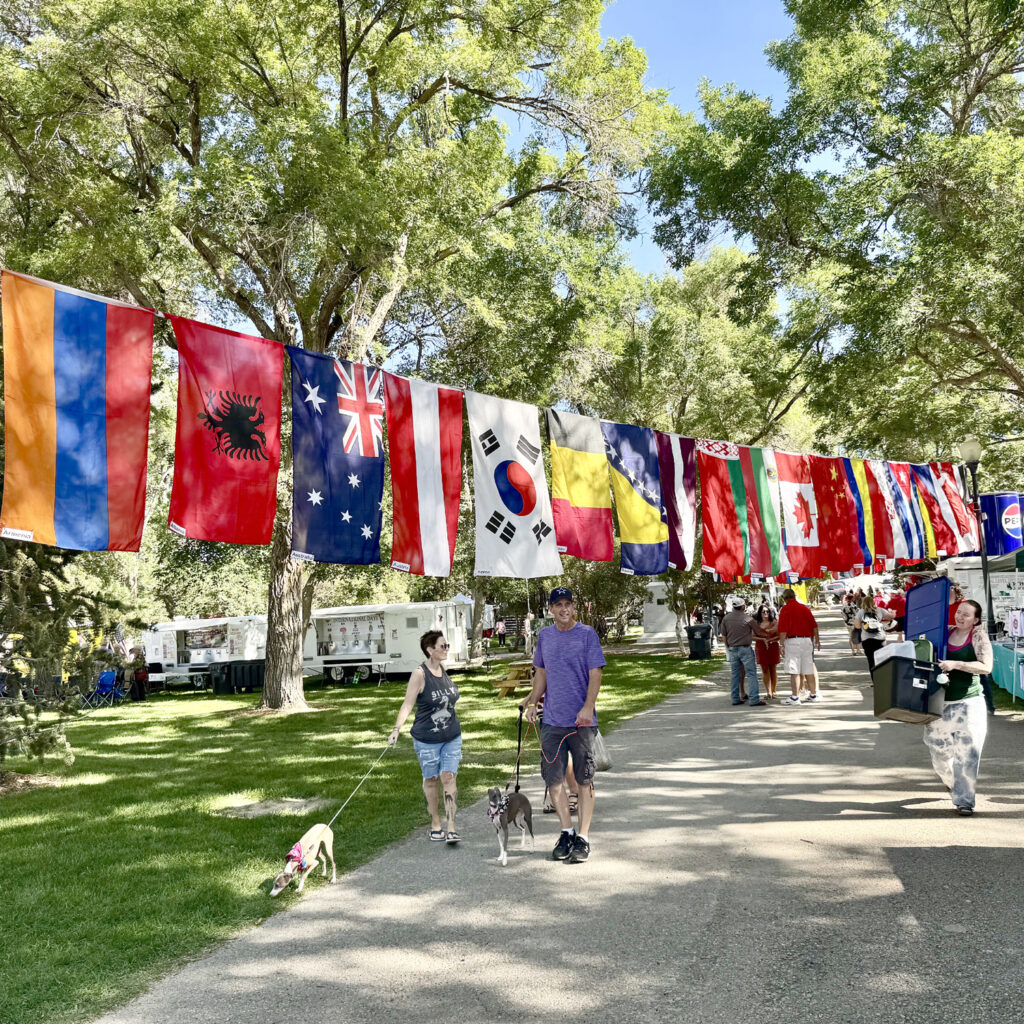
Entering Rock Springs from I-80, you’re greeted with the sign “Welcome to Rock Springs, Home of 56 Nationalities” and flags of many nations.
The town’s ethnic make-up is a result of its history as a coal mining hub that, during the late-1800s coal boom, drew workers from around the world. My group sampled the multicultural flavor at International Day, a July event that coincided with our trip.
The Rock Springs Historical Museum spotlights this melting pot with folk costumes and other artifacts. One exhibit sheds light on the Rock Springs Chinese Massacre of 1885, in which miners of various nationalities murdered 28 Chinese co-workers and burned Chinatown to the ground.
By the downtown railroad tracks are a monument to miners and the “Home of Rock Springs Coal” welcome arch, a town symbol first illuminated in 1929.


