

Spain
Following the Soul of Castile: A Journey Through León
Article and photography by Pat Lee
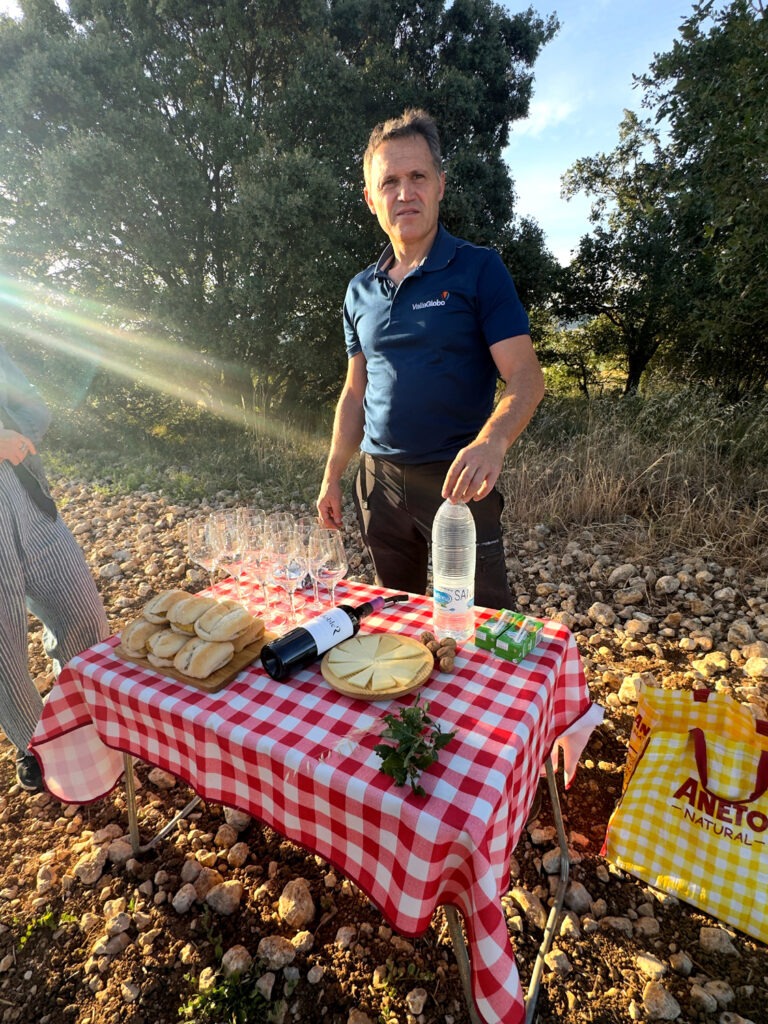
Our hot air balloon has just landed not long after sunrise, gently bumping along a field in the Ribera del Duero region of Spain, about two hours north of Madrid.
We’ve just enjoyed a breathtaking view of vineyards and deer spotted loping across fields of corn or wheat.
A few minutes later, balloon captain Roberto Perez Rodriguez is preparing for the traditional post-flight celebration, eschewing the usual champagne or sparkling wine for a red tempranillo, for which the region is known for.
Soaring over the valley with VallaGlobo in Valladolid was a perfect conclusion to a visit to Castilla y León, the historic heart and largest region of Spain.
Not surprisingly, our exploration started in the capital city of León.
When you travel to Spain, you know you’re going to a country steeped in history, but when you hop on a two-hour train ride to León, it’s like you’re on a time machine back to the Middle Ages and Renaissance periods.
Our home base is the Romanesque-style Hotel Real Colegiata San Isidoro, attached to the Basilica of San Isidororo and museum.
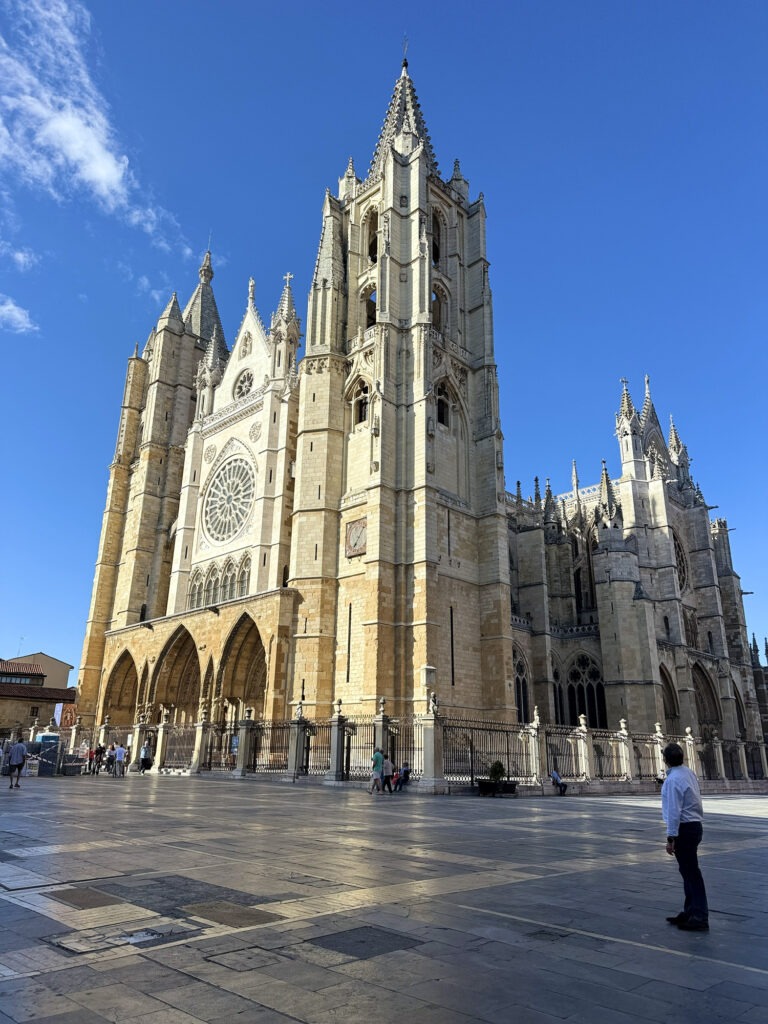
A stroll out the doors of the hotel and the walls of the old Roman fortress frame our route as we make our way to León Cathedral, a 13th-century Gothic masterpiece famed for its jaw-dropping 1,800 square meters of medieval stained-glass windows, and wander the streets of shops that have been servicing residents and visitors alike for centuries.
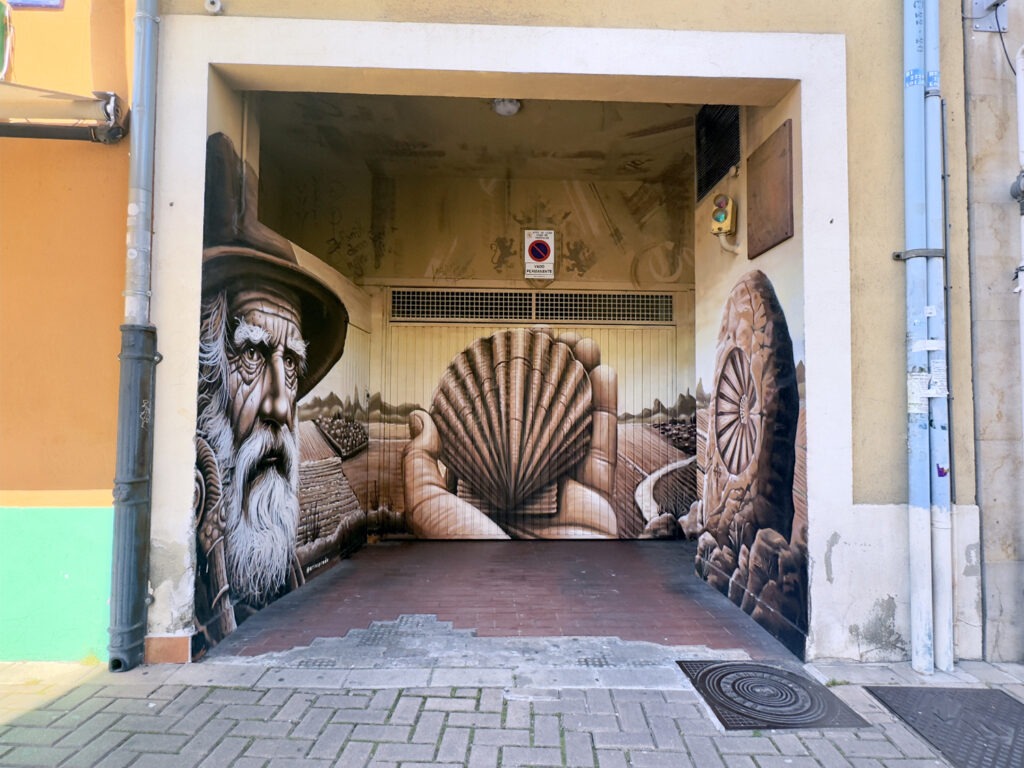
We also easily spot the telltale emblematic shells or sandal imprints embedded in walkways representing Roman walkers of yesteryear, as well as the yellow arrows guiding pilgrims on the Frances route of the Camino de Santiago.
Daily, we see walkers with loaded backpacks making their way through the city and we wish them a traditional Buen Camino.
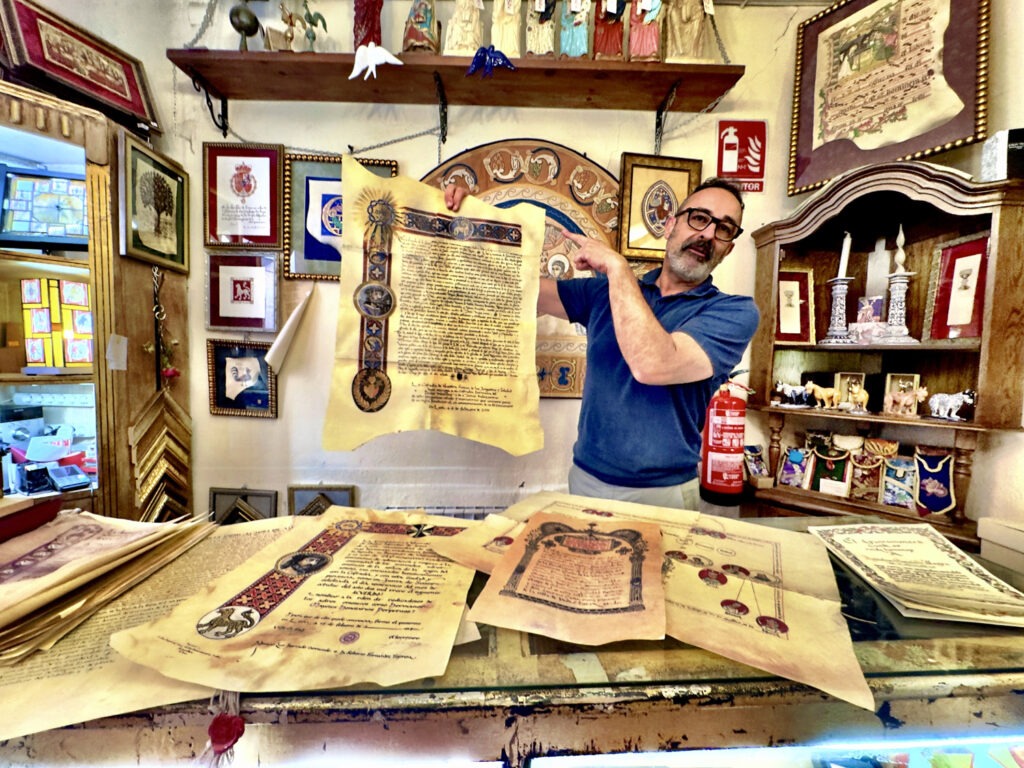
Antonio Suárez Gordon, a shop owner and specialist in medieval art and calligraphy, says, somewhat sardonically, that you must immerse yourself in the history and ancient culture of the former national capital city to feel the heartbeat of León.
“If you don’t like to know history, don’t come,” he says to laughs. “If you don’t like to have wine or tapas mixed with local people, don’t come. I don’t like seeing people having dinner at 6 p.m. in front of the Cathedral.”
He says exploring the city’s place in history is one of many reasons to make a stop there.
“This town was the head of the kingdom and part of the great country which is Spain,” he says with pride.
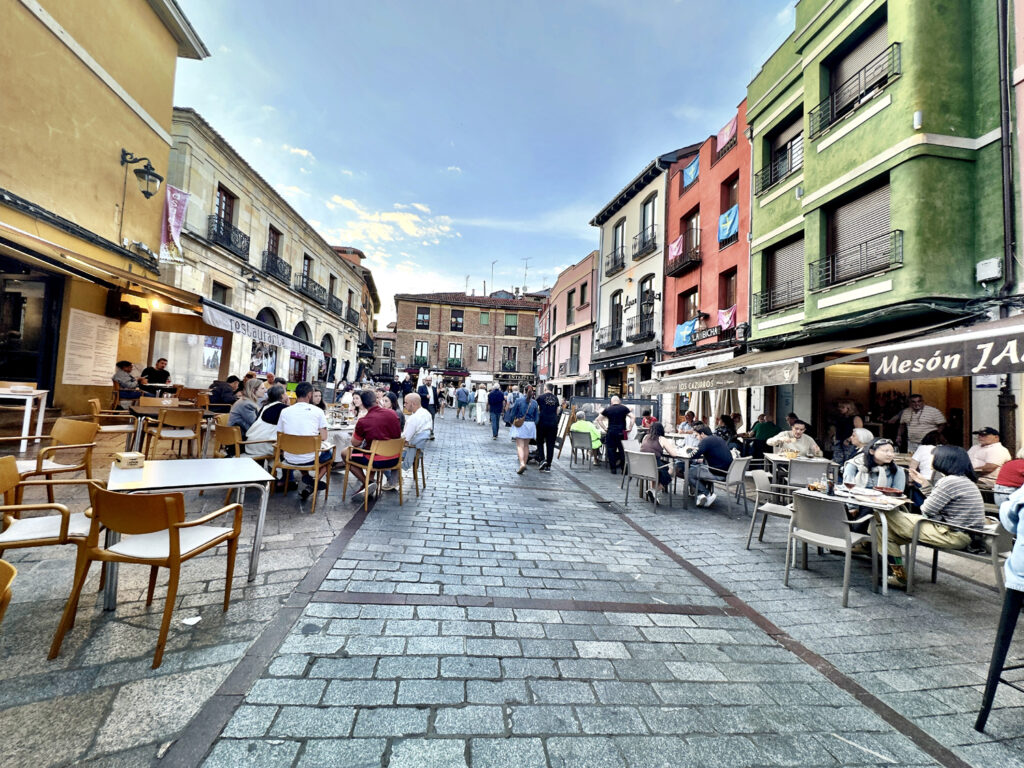
Speaking of tapas, it’s in León that we experience the well-known Spanish tradition of small plate appetizers that can be enjoyed all through the day.
David Fernández Arias, with the tourism board for León, is the first to walk us through the spin his city puts on the national tradition.
The tapas are free.
“The most important difference between León and other cities when it comes to tapas is that in every bar or in every restaurant, if you have a beer or wine or another drink, the owner will give you a free tapas,” he said as our group enjoyed beverages and a round of savoury small plates of freshly fried potato chips to dip and a traditional cold soup called salmorejo made of tomatoes, day-old bread, egg, ham, olive oil and garlic.
Arias said restaurants and bars switch up the tapas depending on the time of day, so your morning coffee break will likely come with a sweet pastry or a traditional Spanish tortilla de patatas – a potato omelet – while later in the day the cured meats, olives and other savoury flavours are on call.
“It’s good to taste different food from León,” he said. “People always choose the bar to go to for the tapas.”
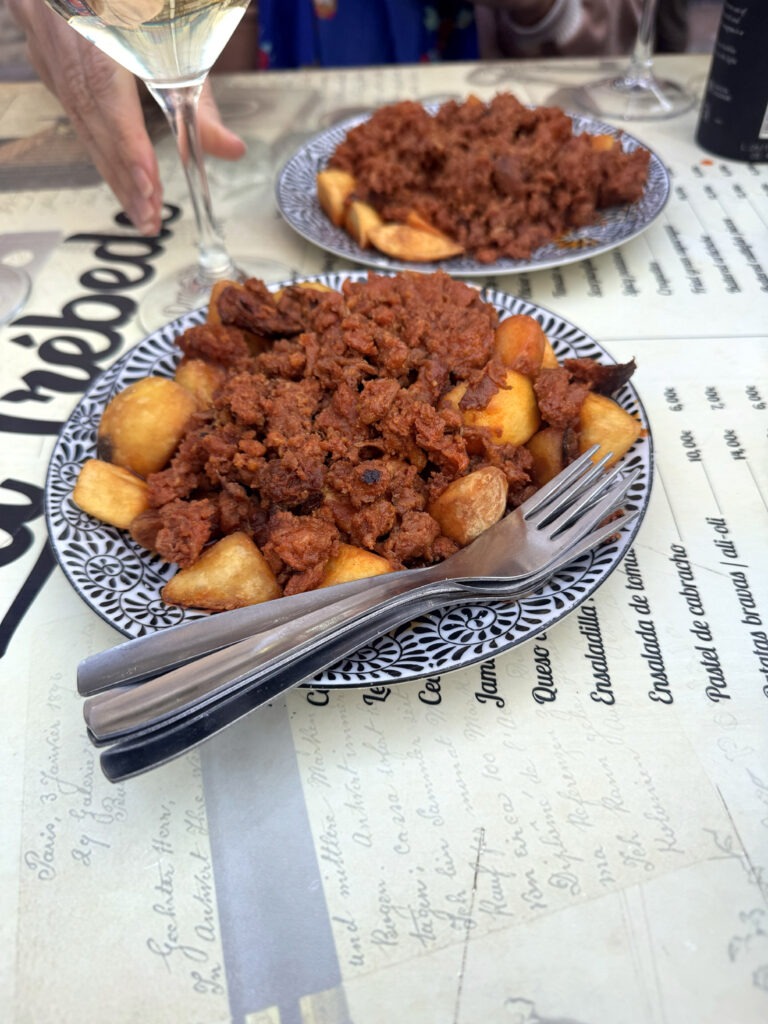
On our tapas crawl, we enjoy Romántico La Trébede Picadillo, chorizo with paprika on fried potatoes, a small round roll with ham and four kinds of cheese, and octopus soup, all free at each stop with our orders of wine, beer or sparkling water.
“Leonese people every day go out from their job or every weekend and go out to the bar or restaurant to taste tapas,” said Arias as, indeed, we were surrounded by what seemed to be mainly local folks out on a weeknight before heading home.
“It’s good for relationships for people.”
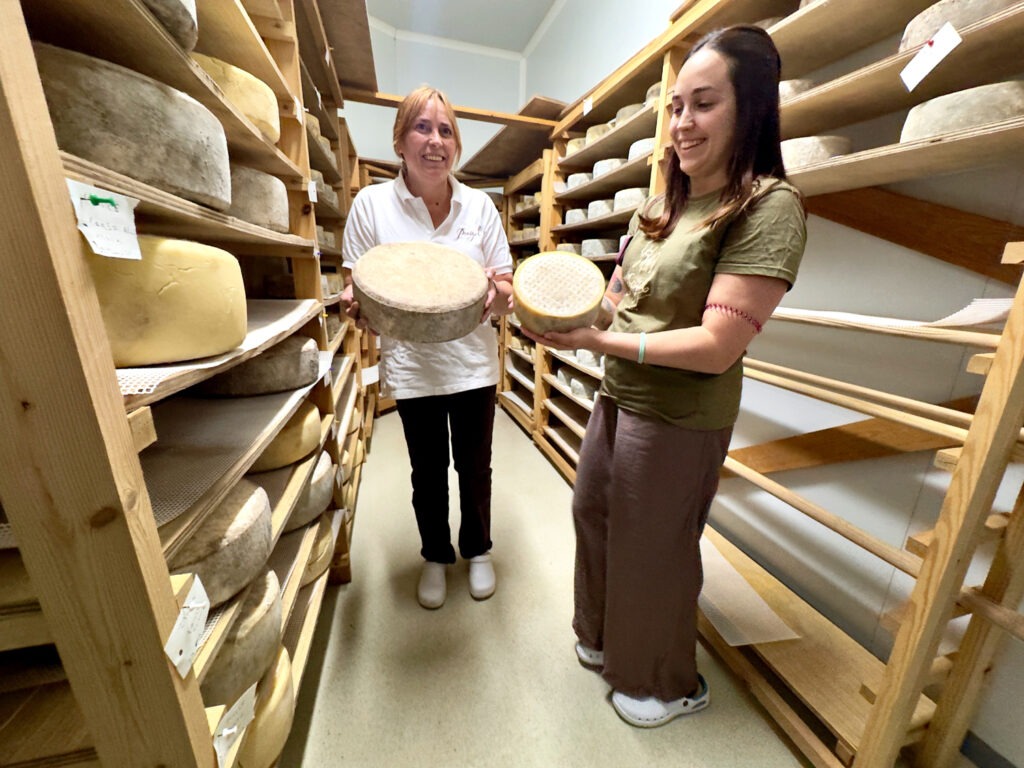
Well-sated with tapas and other delicious meals in León, we take a side trip to visit a mother-daughter dynamic cheese-making duo in the nearby countryside in Jabares de los Oteros where their own sheep produce the milk for their fresh and aged cheeses, yogurt and butter.
Mom Pilar Blanco and daughter Paula Guerrero own and operate Praizal, which started as an employment opportunity for Pilar.
“It turns out she loved it,” said Paula when giving a rundown of how her mother started then built the cheesemaking business.
“She has passion and it is everything for her.”
Since then, Praizal has grown to include a production facility as well as a retail side. Locals also support the business and know when to show up for the fresh sheep’s milk cheese when it’s ready to go.
Another side trip to the northern part of the province of León reminds us of the natural beauty of the country as we drive through the mountains en route to the cave of Valporquero.
There, a guide takes us deep into the seven rooms adorned with columns, stalactites and stalagmites, as well as formations and rooms with names such as Fairies, the Stalactite Cemetery or the Solitary Column.
A cool underground respite from the heat of Spain, it’s soon time to hop a train to one of the country’s famous wine regions along the Duero River, sister to the Portuguese Douro River, which drives Spain’s powerhouse red and white wine production.
With this as its backdrop, visitors can enjoy luxury accommodations with a focus on gastronomy and, of course, wine.
Our pampering took place at Castilla Termal Monasterio de Valbuena, a restored 12th-century monastery with a focus on wellness alongside multicourse dinners with wine pairings.
After several days of indulgences and Spanish hospitality, a restorative session in the hotel’s bookable private circuit spa with hot and cold elements, was a tonic for the soul with its large arched ceiling and beautiful muted lighting.
Their spa area also includes hydrotherapy pools and there are plenty of poolside loungers for reading and relaxing before the next meal is served.
From the historic streets of León to the vineyards of the Duero Valley, Castilla y León offers a journey that goes well beyond its postcard sights. Here, centuries of history, traditional food and wine, dramatic landscapes and warm Spanish hospitality come together in a way that feels both deeply rooted and wonderfully alive.
As our balloon rises over the vineyards at sunrise, it’s hard not to feel that we’ve experienced something more than a visit to Spain. We’ve caught a glimpse of its soul.


