

Guyana
Inside Guyana’s Interior
Where The Rodeo Meets The Rainforest
Article by Olivia Liveng, photography by David DiGregorio
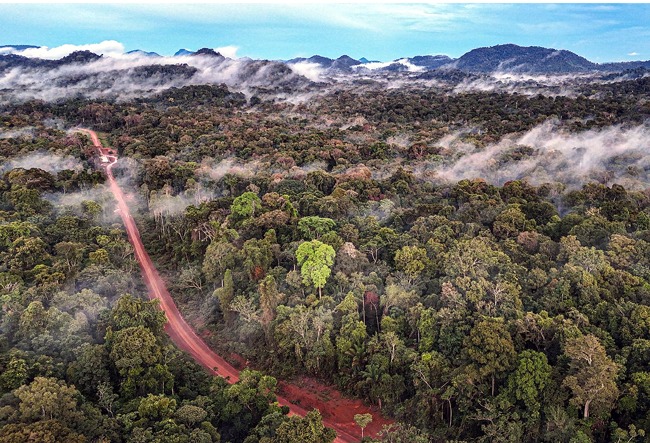
Guyana’s interior is the kind of place that makes you rethink what “remote” really means. For many travelers, the journey begins not with a highway but with a small plane from the country’s capital, Georgetown, to Lethem, the border town on the edge of Brazil and the gateway to the North and South Rupununi. From the air, the country shifts from dense green to open savannah, and on the ground, that contrast becomes the whole story: red earth roads, big skies, cattle country, Amerindian villages, river life, and then, farther north again, rainforest so thick it seems to swallow sound.
Timing a trip around the Rupununi Rodeo gives the region an instant pulse. Recognized by the Guyana Tourism Authority as one of the country’s notable cultural events, the Rupununi Rodeo takes place annually over Easter weekend and has become a signature experience of Lethem and the wider savannah. It is not just a spectacle for visitors; it grows out of the ranching culture of the Rupununi. Go for the excitement, yes, but also because it offers a rare window into the working cowboy traditions of southwestern Guyana and the social energy that draws locals and travelers together.
From Lethem, one of the most memorable bases is Wichabai Ranch in the South Rupununi, reached by 4×4 after the flight in. Wichabai is a family ranch where conservation, research, Indigenous culture, and adventure sit side by side. The property is home to a capybara rewilding center, giant anteater research, and the South Rupununi Conservation Society, and its activities range from guided walks and birding to horseback holidays, river expeditions, craft visits, and immersive experiences with local families. That mix gives Wichabai a sense of purpose that goes beyond tourism. You are there for the scenery, certainly, but also for a deeper sense of how life in the savannah is shaped by the land, wildlife, and community knowledge.
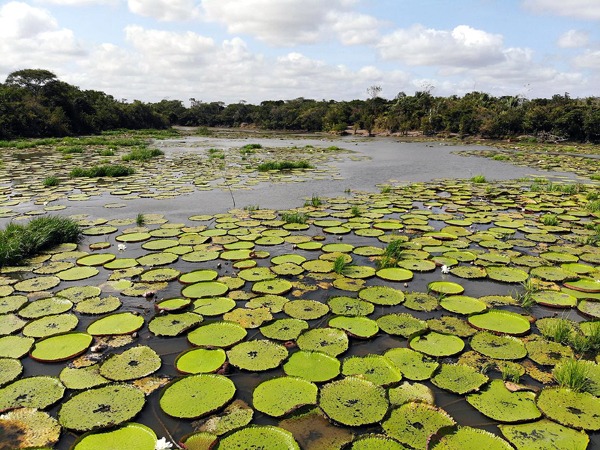
Karanambu Lodge offers a different mood: quieter, storied, and deeply tied to the conservation history of the Rupununi. Established in the 1920s and later transformed into an ecotourism destination, Karanambu is closely associated with Diane McTurk’s giant otter rehabilitation work and with the broader protection of the surrounding landscape. Days here are built around the rhythms of the bush: early excursions to look for giant anteaters with vaqueros, chances to spot giant otters in the river and ponds, and sunset moments beside the great Victoria amazonica lilies for which the property is known. It is the sort of lodge that appeals to travelers who want wildlife without hurry and history without museum glass.
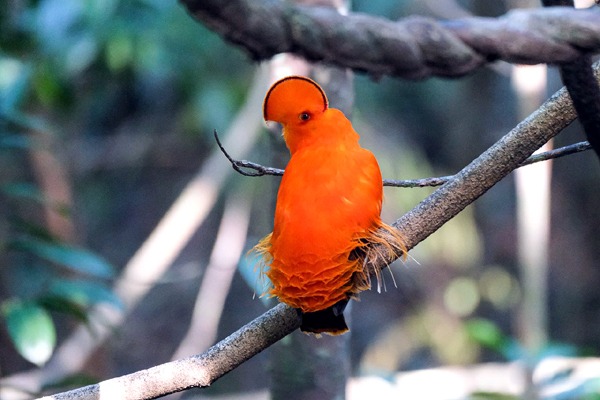
Then there is Atta Rainforest Lodge, which makes a powerful contrast to the open plains of the south. Located in the Iwokrama Rainforest Reserve, about 130 kilometers north of Lethem, Atta is one of the interior’s most compelling rainforest stays. The lodge sits near the Iwokrama Canopy Walkway, reached by an easy forest trail and made up of suspension bridges and decks rising high above the forest floor. This is one of the great birding and wildlife vantage points in Guyana, but even travelers who cannot name a species will remember the sensation of stepping into the treetops at dawn.
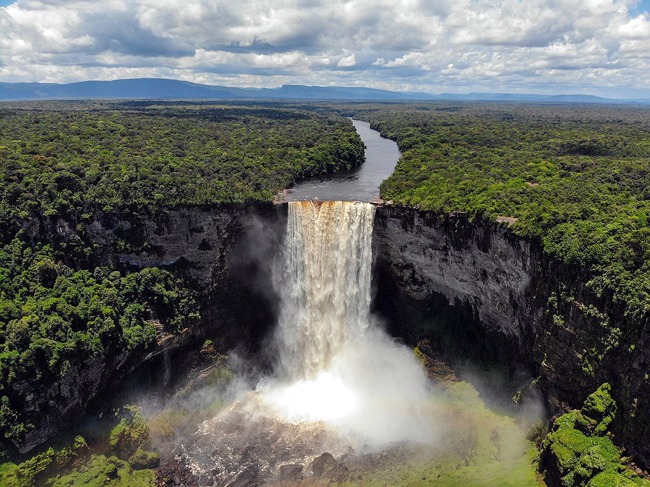
What makes the interior of Guyana so striking is not any one lodge or event, but the way the journey keeps changing under you. Few destinations move as fluidly as Guyana between savannah and jungle, between cultural immersion and wildlife travel.


