

-

- Beijing
-
- Xi’an
-
- Shanghai
-
- Guilin
-
- Chengdu
-
- Yunnan
-
- Zhangjiajie National Forest Park
-
- Peking duck
-
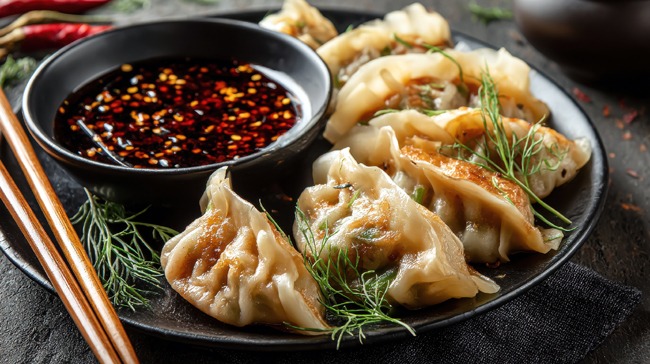
- Chinese dumplings
China
The Best of China
The Great Wall, Forbidden Cities and Futuristic Skylines
Vast, ancient, and relentlessly modern, China is a destination that defies simple description. Spanning snowcapped mountains, subtropical rivers, megacities, and millennia-old landmarks, the country offers travelers an extraordinary range of experiences. From bustling urban centers to remote villages and breathtaking natural landscapes, every corner tells a story, and every journey feels uniquely transformative. A trip to China is both a step back into history and a peek at the country’s modern, high-tech future—a land where ancient traditions coexist with cutting-edge innovation.
Whether you seek adventure, culture, cuisine, or serenity, China’s diversity ensures that every traveler can craft a journey tailored to their interests. Rich in history, spirituality, and innovation, the country has something to captivate every sense.
Beijing: Imperial Grandeur and Ancient Wonders
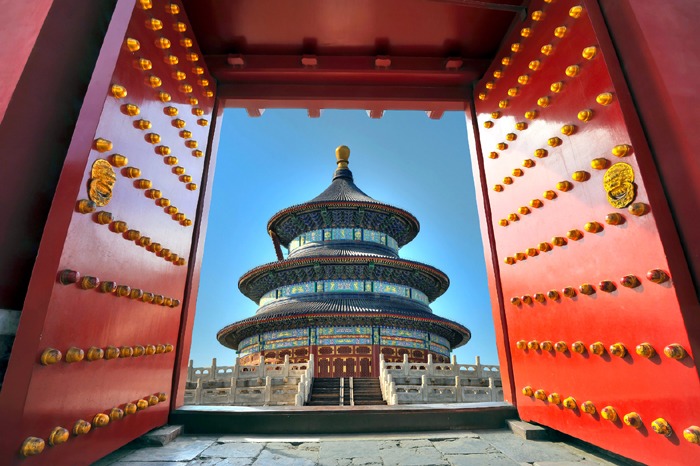
Most first-time visits begin in Beijing, the political and cultural heart of the nation. Here, dynastic power still echoes through the vast courtyards of the Forbidden City, once home to emperors of the Ming and Qing dynasties. Walking through its intricate halls and expansive courtyards, visitors feel the weight of centuries of imperial history.
Just beyond the city, the legendary Great Wall of China snakes across mountain ridges—an awe-inspiring testament to human ambition. Sections such as Mutianyu and Jinshanling are restored and offer panoramic views, while more remote stretches like Simatai appeal to adventurous travelers seeking solitude and raw scenery. Sunrise walks along these sections reveal sweeping landscapes as mist curls around the ancient battlements.
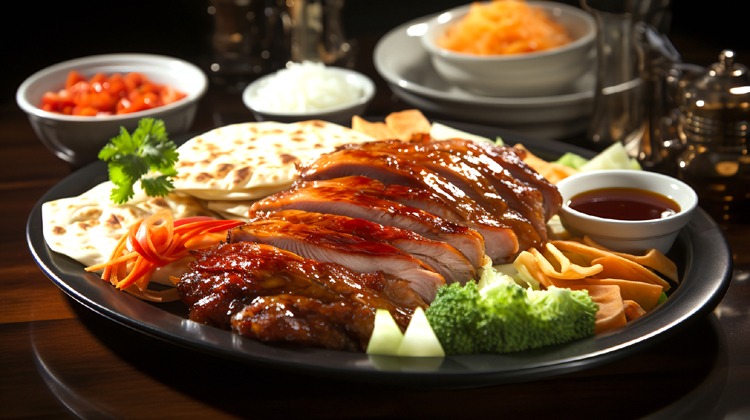
Beijing also invites exploration of its Hutongs, narrow lanes lined with courtyard homes, teahouses, and small shops. Sampling local snacks like jianbing (savory crepes) or Peking duck at historic restaurants adds a sensory dimension to history. The city’s vibrant markets and contemporary art districts, such as the 798 Art Zone, balance old and new, offering glimpses of China’s modern cultural heartbeat. Evening visits to the Olympic Park or the lively Sanlitun district showcase a dynamic city where tradition and innovation intersect.
Xi’an: The Legacy of the Silk Road
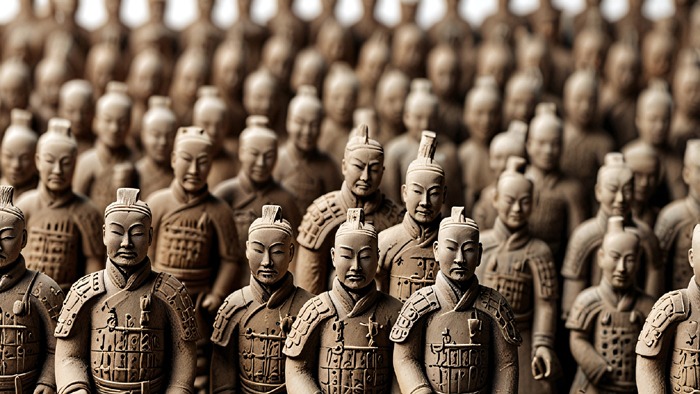
Further west, Xi’an offers a gateway to China’s ancient past. The city’s greatest treasure, the Terracotta Army, stands in silent formation—thousands of life-sized warriors built to guard China’s first emperor in the afterlife. Xi’an’s ancient city walls, remarkably preserved, allow visitors to walk or bike along the ramparts, imagining the strategic importance of this Silk Road hub.
The Muslim Quarter brims with culinary delights, from hand-pulled noodles to spicy lamb skewers, reflecting centuries of trade and cultural exchange. Nearby, Mount Huashan offers adventurous hiking trails along narrow cliffside paths, combining adrenaline with breathtaking panoramas. Travelers seeking a blend of history, adventure, and local flavor will find Xi’an deeply rewarding.
Shanghai: China’s Modern Pulse
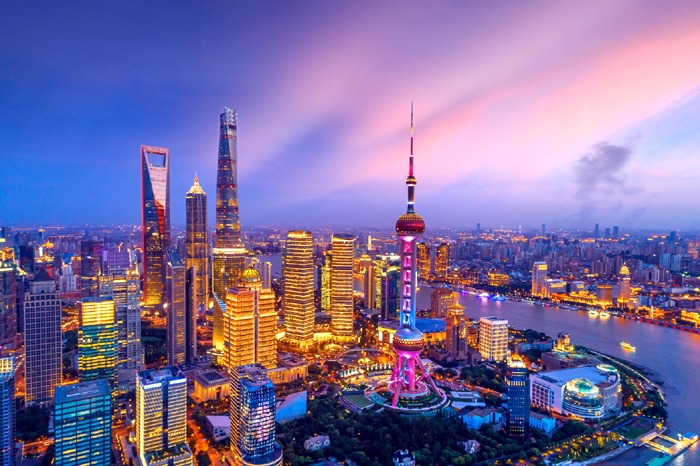
If Beijing represents imperial history, Shanghai embodies China’s meteoric rise. Along the Bund, colonial-era buildings face the futuristic towers of Pudong, including the soaring Shanghai Tower, the world’s second-tallest building. Neon lights reflect off the Huangpu River as luxury boutiques, rooftop bars, and lively cafes buzz late into the night.
Shanghai is a city of art and innovation. The French Concession, with tree-lined streets and historic villas, contrasts with ultramodern architecture, while contemporary museums showcase China’s burgeoning art scene. Day trips to Zhujiajiao, a preserved water town, reveal canals, stone bridges, and centuries-old architecture that transport visitors to a quieter era. Culinary highlights, from fresh dumplings to xiaolongbao, immerse travelers in the city’s rich flavors.
Guilin and the Natural Landscape
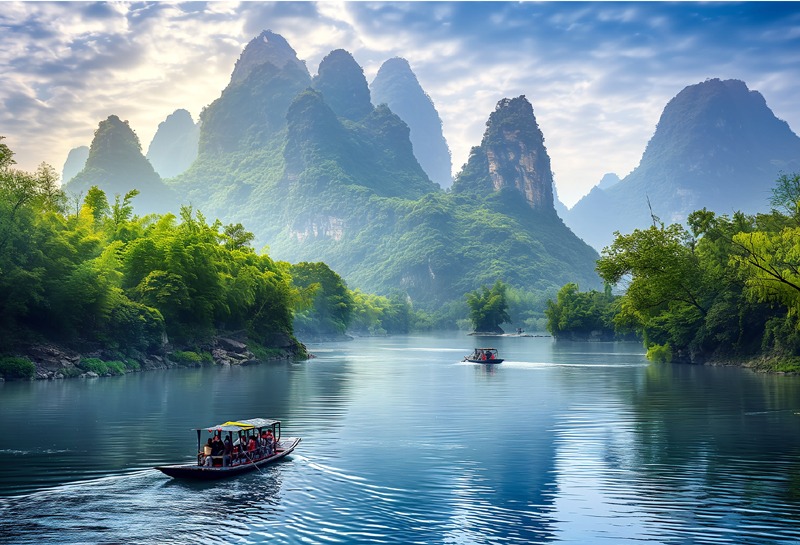
China’s countryside offers landscapes that are both iconic and awe-inspiring. The karst peaks surrounding Guilin and the winding Li River create scenery immortalized in classical Chinese paintings. Bamboo rafts drift past mist-covered hills, while rural villages reveal agricultural traditions largely unchanged for generations.
Nearby Yangshuo is a paradise for outdoor enthusiasts, offering cycling through rice paddies, rock climbing, and bamboo rafting. The Longji Rice Terraces, north of Guilin, rise in layered green steps, reflecting sunlight in breathtaking patterns. These areas showcase China’s living landscapes, where nature and culture intertwine seamlessly. Travelers can also enjoy sunrise or sunset cruises along the Li River, capturing reflections of jagged limestone peaks in calm waters.
Chengdu: Pandas and Fiery Cuisine
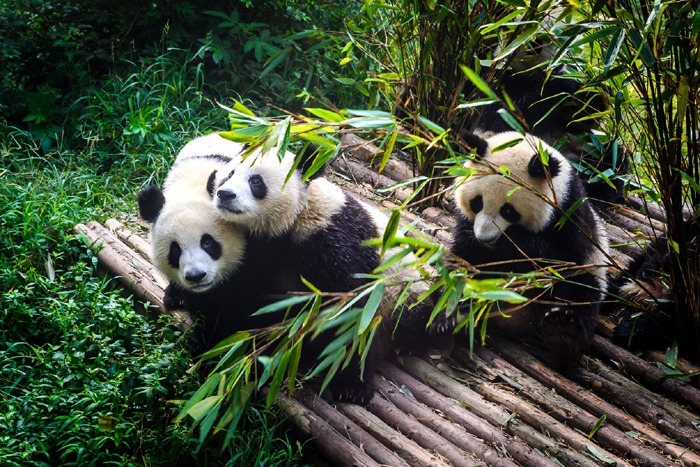
In Chengdu, travelers encounter two national treasures: giant pandas and Sichuan cuisine. Visits to panda conservation centers offer close-up glimpses of these beloved animals, while local restaurants serve mouth-tingling hotpot flavored with Sichuan peppercorns. Chengdu’s relaxed teahouses invite visitors to linger over jasmine or pu-erh tea, absorbing a slower rhythm of life that contrasts sharply with China’s bustling megacities.
The surrounding Sichuan mountains feature ancient towns such as Leshan, home to the colossal Leshan Giant Buddha carved into a river cliff, blending spiritual and natural grandeur. Nearby Mount Emei, one of China’s Four Sacred Buddhist Mountains, offers scenic hikes through misty forests dotted with temples and monasteries—a perfect destination for spiritual travelers.
Yunnan and Ethnic Diversity
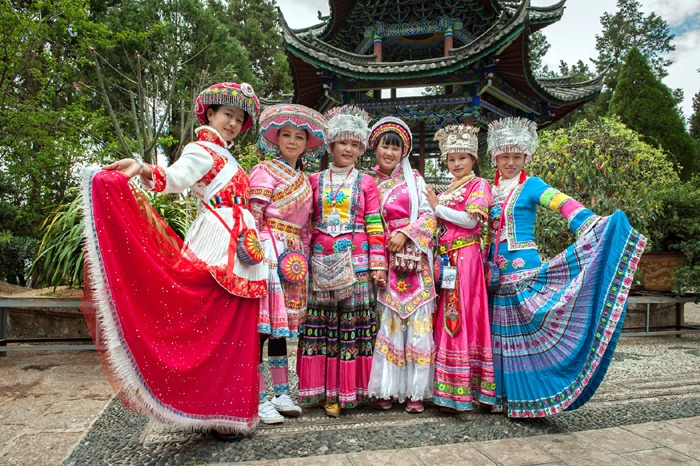
The southwestern province of Yunnan offers a mosaic of ethnic cultures, temperate climates, and spectacular landscapes. In Lijiang, cobbled streets and canal-side architecture preserve Naxi traditions, while the nearby Tiger Leaping Gorge offers exhilarating hiking amidst towering cliffs and rushing rivers.
Dali, with its serene Erhai Lake and pagoda-framed vistas, provides another glimpse into Yunnan’s natural and cultural diversity. The province’s tea plantations, minority villages, and vibrant markets give travelers insight into traditions that have survived for centuries, offering authentic encounters away from tourist crowds.
Zhangjiajie and Iconic Mountains
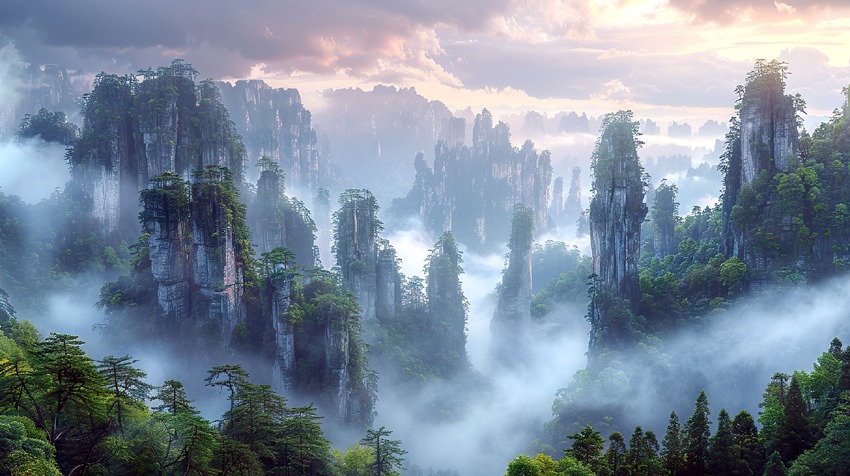
In Hunan province, the surreal pillar-like peaks of Zhangjiajie National Forest Park inspired the floating mountains in the film Avatar. Scenic walkways, glass bridges, and cable cars provide access to breathtaking panoramas, and walking among the towering quartz-sandstone pillars feels like stepping into another world. Nearby, the Tianmen Mountain, with its cliff-hanging walkway and natural arch, offers a thrilling adventure for nature lovers and photographers alike.
Cultural Depth and Living Traditions
No trip to China is complete without exploring its festivals, crafts, and living traditions. The Lunar New Year brings dragons, lanterns, and street parades across the country. Mid-Autumn Festival and Qingming Festival highlight seasonal customs, mooncakes, and ancestral rituals. Tea ceremonies, calligraphy workshops, and visits to local markets allow travelers to engage with traditions passed down through centuries. High-speed rail makes these distant regions accessible, offering a seamless journey through China’s extraordinary contrasts.
Traditional performances, such as Peking opera in Beijing or Sichuan face-changing shows in Chengdu, provide insights into centuries of performing arts, while local craft villages showcase silk weaving, pottery, and paper cutting.
Culinary Highlights
China’s culinary diversity is unmatched. From Peking duck in Beijing to dim sum in Guangzhou, street noodles in Xi’an to fiery Sichuan hotpot, every region offers distinct flavors and cooking techniques. Sampling tea in Chengdu or enjoying fresh seafood in Qingdao highlights how food is a window into local culture and history. Coastal cities like Xiamen and Qingdao introduce travelers to seafood delicacies and Fujian-style cuisine, while northern regions showcase wheat-based staples like dumplings, noodles, and steamed buns.


