

Greece
Thessaloniki, Greece’s Cultural Melting Pot
Article and photography by Nicholas Kontis
Often described by Greeks as the country’s “second capital,” Thessaloniki is a city where history and modern creativity coexist effortlessly. Ideal for a city break or short stopover, it offers a rich tapestry of experiences and unforgettable memories in less-visited northern Greece.
As the capital of the mountainous Macedonia region, this university town is unlike any other Greek city. A vibrant urban hub with a population exceeded only by Athens, Thessaloniki is a cultural crossroads with a gritty, alternative, avant-garde atmosphere. Layers of history are visible from ancient Greek and Roman monuments that sit alongside structures reflecting the city’s Byzantine, Ottoman and Jewish heritage.
Renowned as a UNESCO city of gastronomy and coffee culture, Thessaloniki nestles where the eastern Mediterranean meets the Balkans. The crossroads city boasts a lively nightlife and a dynamic arts scene with flourishing galleries and museums, international film and arts festivals, traditional tavernas, gourmet dining, street food, and major exhibition and conference venues.
Above all, Thessaloniki is a city made for walking. Whether on an organized tour or exploring independently, a visitor strolling its streets will follow the footsteps of the many civilizations that shaped its history. The Palace of Galerius, the Triumphal Arch and the Rotunda — the administrative and religious heart of the city during the early-4th-century reign of Emperor Galerius — stand as remarkable legacies of Roman rule and early Byzantine art and architecture. In particular, the Rotunda was one of the earliest Christian monuments in the Eastern Roman Empire.
Today, the surrounding area, known as Kamara, has become a lively student quarter. Young people gather beside the ancient ruins sipping frappés, sharing drinks and playing music. They give the neighborhood a bohemian atmosphere that locals often compare to Athens’ Psiri district.
Remarkable cultural heritage
Jews arrived in Thessaloniki after their expulsion from Spain in 1492. Well into the 20th century, Jews outnumbered Turks and Greeks in the city. In 1943, however, Nazi Germany deported the Jewish population to Auschwitz and other camps, where 43,000 (96 percent) were put to death. Of 10,000 children, only 58 survived the genocide. Thessaloniki’s Jewish Museum recalls the lifestyle of the thriving Salonica community before the Second World War.
Mustafa Kemal Atatürk, founder of modern Turkiye, was born in Thessaloniki in 1881. The house where he was born, now the Atatürk Museum, stands as a poignant reminder of the Ottoman era. Each year on November 10, the date of his passing, thousands of Turks travel here to visit the historic site.
The imposing Church of Agios Dimitrios honors Thessaloniki’s patron saint, who is celebrated annually on October 26. Its mystical interior makes this unique shrine one of the city’s most revered landmarks — and, since 1988, a UNESCO World Heritage Site.
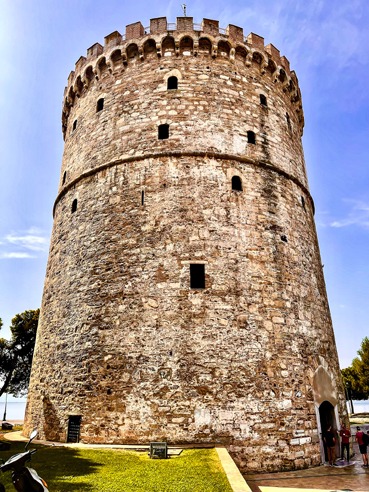
One of Thessaloniki’s most recognizable waterfront symbols is the White Tower. Built by the Ottomans as part of the city’s medieval fortifications, it later served as a prison, and was variously known as the Blood Tower and the Janissary Tower. It earned its current name when an inmate whitewashed it in exchange for his freedom. Today, the White Tower houses a six-story museum, with each level exploring a different aspect of the city’s past and present. It has become a beloved meeting point for locals enjoying an afternoon stroll along the seafront.
From Aristotelous Square in the city center, it is easy to walk — or take a short taxi or bus ride — to the narrow lanes of Upper Town (Ano Poli), one of Thessaloniki’s oldest and best-preserved districts. Here are Venetian fortifications such as the Trigoniou Tower and Eptapyrgio, Ottoman monuments, the Vlatades Monastery, and Byzantine churches including Osios David and Agios Nikolaos Orfanos. On clear days, sweeping views extend across the Thermaic Gulf to Mount Olympus.
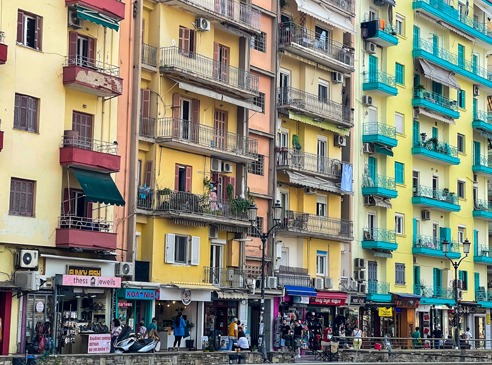
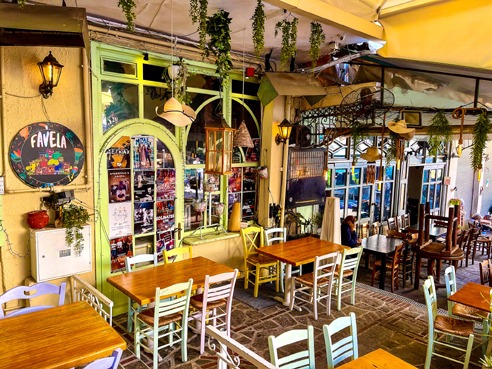
Youthful energy permeates the city day and night. University students frequent hidden gems that wait around every corner: historic cafés, intimate bars and live-music venues housed in creatively restored industrial buildings.
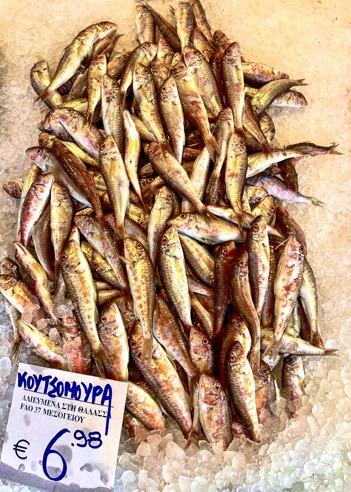
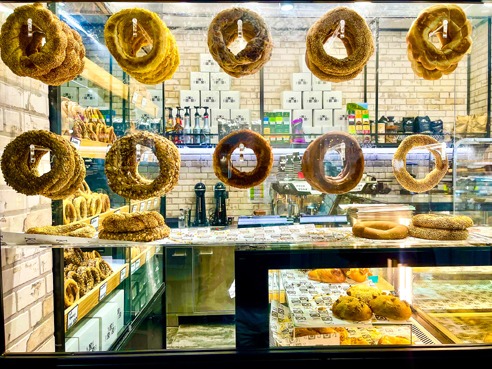
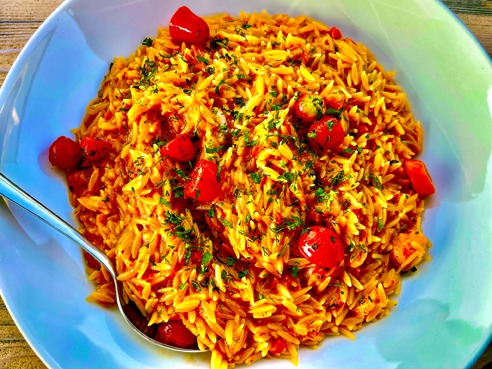
Thessaloniki’s cuisine reflects influences from Turkey, the Balkans, the Mediterranean, Macedonia and Thrace. It is primarily known for its meze — small plates made for sharing — and recipes introduced by refugees from Asia Minor in the 1920s. These include patsa (tripe soup) and the city’s iconic bougatsa, a sweet cream-filled pastry enjoyed at any time of day. In the heart of the city, Agora Modiano sells all manner of Greek ingredients for everyday cooking.
Day trips from Thessaloniki
As the principal city of northern Greece, Thessaloniki is an excellent base for exploring the wider region. The beaches of Halkidiki include Afitos, Kallithea and Neo Fokia, all within an hour’s drive, while the Royal Tombs of Vergina — final resting place of Philip II of Macedon, father of Alexander the Great — lie an hour to the west. The adjacent city of Veroia provides an escape from bustling Thessaloniki.
Beside the charming seaside town of Olympiada are the ruins of ancient Stagira, birthplace of the philosopher Aristotle. It was founded in the mid-7th century B.C. by Ionian settlers from the island of Andros. Stagira’s Aristotle Park is a theme park dedicated to the phenomena of natural science and physics; its features include a water turbine, pentaphone, solar clock, inertia spheres, and telescopes from which, on a clear day, one can view the monasteries of Mount Athos. Other nearby archaeological highlights include Pella, Philippi and Ancient Dion, the sacred site of Zeus, where wine lovers can enjoy tastings in the vineyards surrounding the city.
To the south, Mount Olympus offers a wealth of outdoor activities. Nature enthusiasts can explore breathtaking landscapes such as the Axios River Delta. Further east, the Evros Delta stands out as one of Europe’s richest wetland ecosystems, home to around 300 resident and migratory bird species.
For travelers seeking a destination that combines unspoiled nature, ancient civilizations, vibrant traditions and cosmopolitan charm, Eastern Macedonia and Thrace are an inspiring choice. Located where East meets West in Greece’s northeastern corner, this region bordering Bulgaria and Turkey bears an indelible cultural imprint. Long overlooked, its exceptional attributes are finally bringing it into the spotlight as one of Europe’s most exciting emerging destinations.
Now firmly established as one of Europe’s most popular city-break destinations, Thessaloniki is easily accessible via its international airport (Thessaloniki Airport Macedonia), with flights operated by airlines such as Ryanair, Turkish Airlines, Lufthansa, British Airways and SWISS, among others. Regular connections from Athens are also available with Aegean Airlines.


