

Ireland
Tracing My Irish Roots: An Outdoor Journey Across the Island
by Olivia Liveng
For as long as I can remember, Ireland has existed in the background of my family’s story—a country defined by memory, music, and migration. My dad’s people left Donegal generations ago, bound for America with little more than hope and the strength to endure. Returning as a visitor, I came not just to see the land, but to feel the echoes of those roots that shaped the lives that followed.
Dublin: On the River, in the Moment
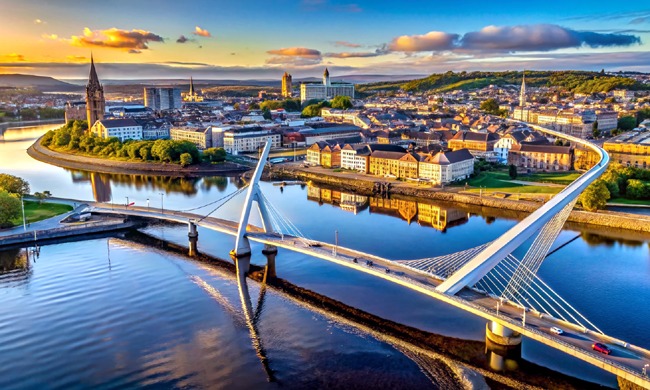
Dublin is a city with a living pulse. From the glass-fronted comfort of The Spencer Hotel, I watched the River Liffey slip quietly through the heart of the capital, ferrying stories past old brick warehouses and shining new towers. Taking to the water myself with City Kayaking Dublin, I saw the city from a different vantage point—bridges arching gracefully overhead, the commotion of the quays fading to the splash of paddles and the call of birds. The same river that once sent thousands of emigrants out into the world now brings new arrivals in, carrying memories both old and new.
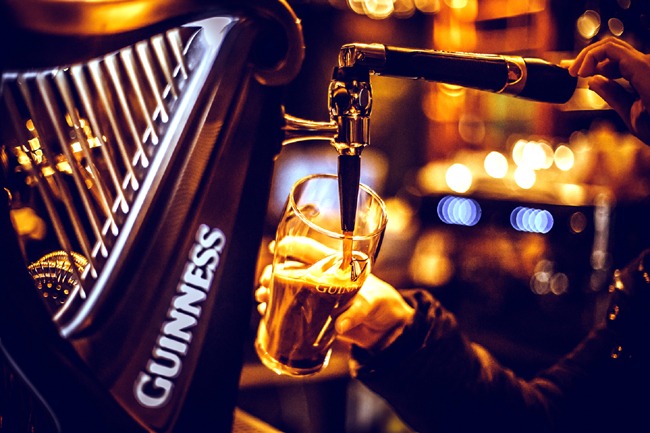
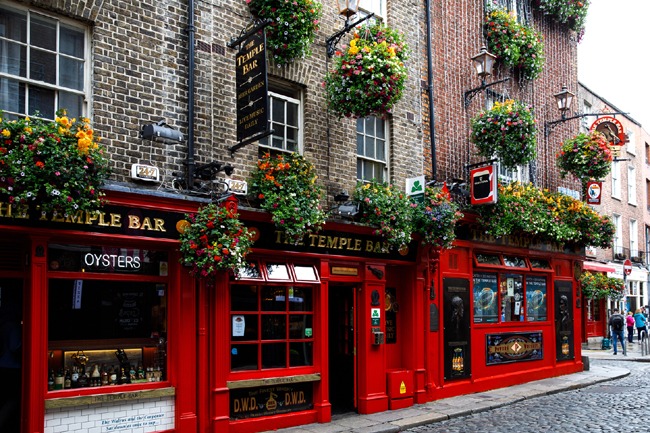
Later, walking along the Liffey’s boardwalk, Dublin’s layers unfolded with every step—Victorian pubs, street musicians tuning up for the evening, and shopfronts that hinted at both tradition and reinvention. No visit to Dublin is complete without a stop at the Guinness Storehouse, where the scent of roasted barley hangs in the air and the city’s brewing heritage comes alive. Standing atop the Gravity Bar, pint in hand, I looked out over the city’s sprawl—an only-in-Dublin panorama that stitches together past and present. The city is vibrant, but its welcome is sincere. In the evenings, I’d watch the sunset from the banks and imagine the generations who stood in the same spot, facing the same tide of change.
Wicklow: Walking with History
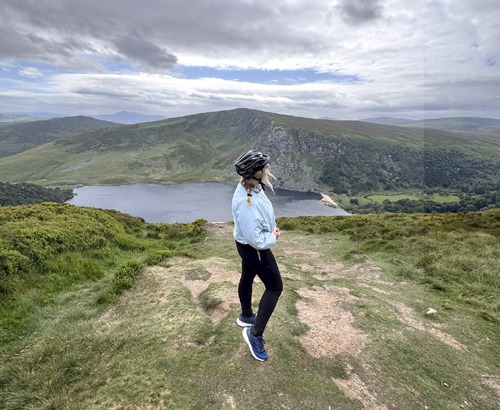
Beyond the city, Wicklow’s mountains rise—green and untamed, carpeted in ferns and shrouded by legend. Glendalough is a place that insists you slow down and listen. The path wound past sixth-century stone churches, through stands of oak, and over the soft, hushed moss. My guide from Hilltop Treks pointed out the monastic ruins, each stone worn by centuries of footsteps. The beauty of the landscape was so profound that I couldn’t help but wonder if my ancestors had ever paused here, seeking solace in the silence. Later, riding e-bikes through Ballinastoe Woods, we skirted the brooding waters of Lough Tay—its inky surface ringed by silver birch and wild heather, as dramatic as any landscape in Europe.
Lunch at a local inn in Laragh felt well-earned after hours on the trails, the kind of meal that tastes of fresh bread, butter, and conversation. It’s these moments between activities, those that are quiet, grounded, and impossibly green, that set Ireland apart.
Leitrim: Where Water and Legend Meet
If Wicklow’s charm is ancient, Leitrim’s is elemental. Stand-up paddleboarding with Lough Allen Adventure, I drifted on a lake mirrored with cloud and mountain. The names—Sliabh an Iarainn, Tuatha Dé Danann—belonged as much to myth as map, but the feeling was real: a sense of connection, a reminder that history here is always just below the surface. Evenings in Carrick-on-Shannon felt timeless, the River Shannon slipping past as the sun dropped low and lights flickered on in the windows of centuries-old pubs. Perhaps the same pub’s ancestors had a pint while pondering a life in the New World?
Cuilcagh Lakelands: Deep Earth, Wide Horizons
Northern Ireland revealed itself in layers—first, below ground, wandering the echoing passages of Marble Arch Caves, and then high above, climbing the wooden slats of the Cuilcagh Boardwalk Trail, “the Stairway to Heaven.” The wind here is relentless, the view borderless. A sound meditation inside the caves brought a hush, the kind that settles the mind and stirs the spirit. There’s a sense here that Ireland’s most profound beauty is often just out of sight, revealed only to those willing to go a little further.
Memory, Migration, and the Emigrant Trail
The Emigrants Trail near Derry brought my family’s past into sharp focus. With Cathy O’Neill of The Emigrants Walk, I followed the path trod by famine-era emigrants leaving Ireland forever. At the summit, placing a stone on the Carn, I felt the weight of absence and the resilience required to start again. At Friels Bar, the sight of the old famine pot drove home the hardships endured—my connection to this place no longer just abstract, but lived. Standing in those fields, the silence was heavy; it was impossible not to imagine the hopes and heartbreak packed into every step toward the unknown.
Belfast: A City Rewriting Itself
Belfast pulses with contradictions—old scars and new confidence. At Titanic Belfast, I found the sweep of history told with humility and drama. A Black Taxi Tour threaded past murals and memorials, revealing a city that refuses to be defined solely by its past. Yet Belfast knows how to celebrate; the 5 Stop Brunch Food Tour with Taste & Tour Belfast was pure delight—sipping clever cocktails, tasting twists on classic breakfast dishes, and feeling the city’s story in every bite. The city’s brunch scene is not just about food; it’s an expression of community and creativity, woven into Belfast’s determination to move forward.
Donegal on the Horizon, and Coming Full Circle
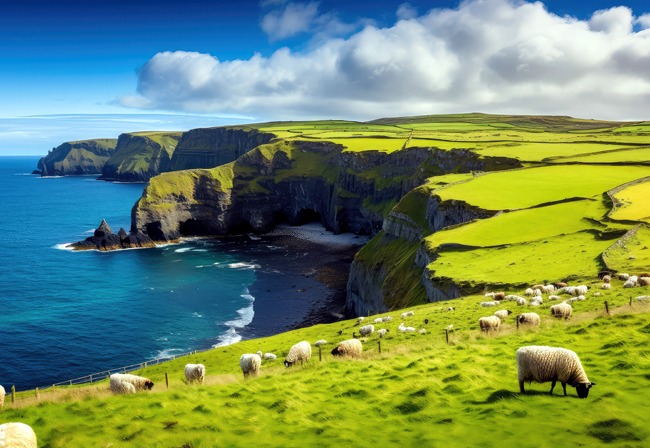
At journey’s end, standing on Benone Strand, I watched the Atlantic crash below the distant cliffs of Donegal. I imagined my ancestors’ final, bittersweet glimpses of home—wondering if they expected, or even dared to hope, their descendants would ever return. That skyline, moody and wild, felt at once foreign and utterly familiar.
To explore Ireland on foot, by paddle, by bike, is to see it as a land of motion and memory. Each step and stroke brought me closer to understanding my own family’s story—not just the hardship of leaving, but the beauty of what they carried with them. In Ireland, heritage is not a matter of ancestry alone; it’s in the hills, the rivers, the kindness of strangers, and the way the land welcomes you, even after generations away. Leaving, I felt changed—not because I found Ireland, but because I saw how deeply Ireland had always been a part of me.
Visit: www.ireland.com


