


USA
American Dreaming in Maryland
From Baltimore’s Inner Harbour to Hagerstown’s ballfield, Maryland serves up the American Dream — one crabcake, one inning, and one donut at a time.
by David J Cox
Through the few days I got to spend in this lovely corner of America, I was treated to both Baltimore and Hagerstown, offering glimpses of what makes America great – the American dream and the ability to create something of substance through family and community.
Baltimore: Brick, Baseball, and the Blue Crab
In early Baltimore mornings, the red brick row houses lay silent and the whole city feels like a living postcard from an older, more self-assured America. I felt it the first time I stepped out of ROOST Baltimore, my home base for the first leg of the trip. This new, clean and sharply designed apartment-style hotel in the revitalized Baltimore Peninsula waterfront district offers generous spaces, warm service, and harbor views.
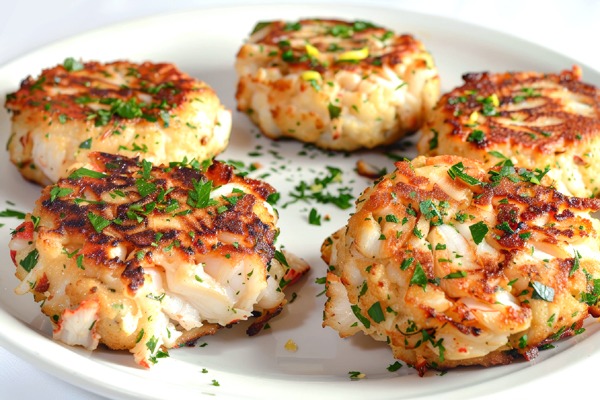
Breakfast at Miss Shirley’s set the culinary tone for everything that followed. Maryland’s blue crab is not merely an ingredient, it’s a requirement. A crab omelet and a side of breakfast crabcakes delivered the first of many sensational rich, moist, and locally sourced flavors.
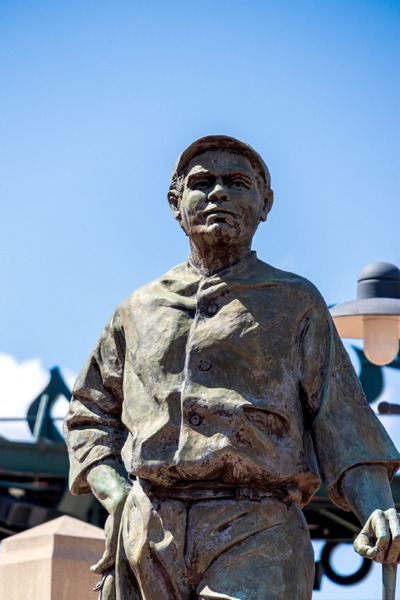
From Miss Shirley’s, it was a short walk past those gorgeous brick facades to the Babe Ruth Birthplace and Museum. The house where George Herman Ruth entered the world in 1895 has been lovingly preserved, and the museum does something quite remarkable: it holds two versions of the same man. There is Babe Ruth the legend, the larger-than-life slugger who redefined baseball and became the most famous athlete of his era, and then there is Babe Ruth the complicated, generous, excessive, and deeply human person. To step through those rooms is to be reminded that American icons are always more interesting than their myths.
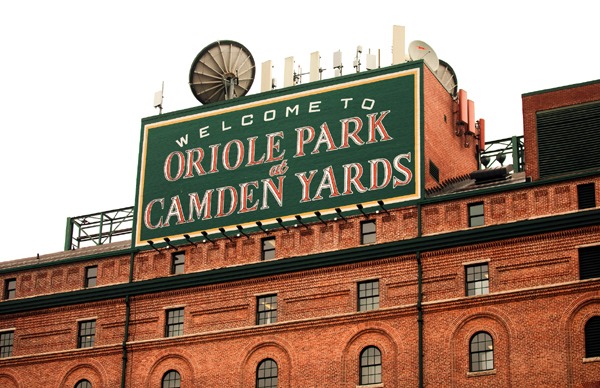
The short walk from the museum to Oriole Park at Camden Yards is one of those urban strolls that builds anticipation with every block. And then the stadium appears — and it earns every bit of that anticipation. Opened in 1992, Camden Yards is widely credited with saving baseball from the dull concrete multi-purpose bowls of the 1970s and 80s. The retro brick warehouse beyond right field, the fantastic sightlines, and the seating arrangement states thoroughly and unapologetically that this is a Ball Park and not a corporate entertainment complex. Recent upgrades have expanded the crowd seating while wisely trimming excess corporate boxes. Baseball as it was meant to be experienced, among fans and close to the diamond.
A boat tour of the Inner Harbour filled in Baltimore’s story through narration by the knowledgeable local guides weaving history and humor making the city feel lived-in rather than performed.
On dry land, the National Aquarium proved a marvel of design with a multi-floor construction including all-around aquariums and terrariums that pull you into ocean depths one moment and tropical canopies the next. What made it even better were the families visiting and excited children pressing their faces to the glass, eyes wide. That collective wonder was its own kind of exhibit.
The American Visionary Art Museum is the kind of place that defies easy summary. Propelled figurines, dramatic installations, mixed-media works of startling emotional power — art made by people who had something urgent to say and the courage to say it without rules or approval. It is one of the most joyful and unsettling museums I have ever visited, which is precisely the point, I think.
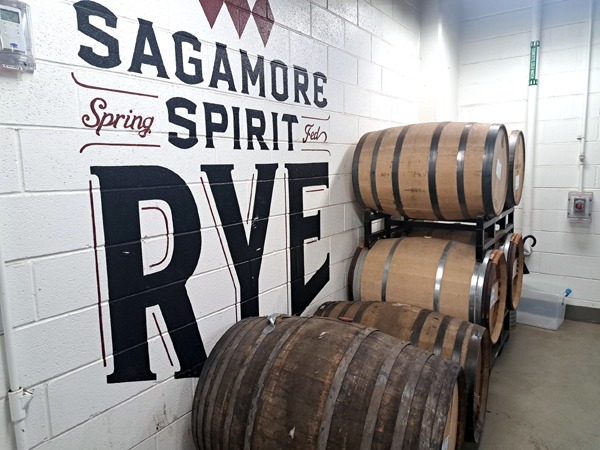
No Baltimore visit is complete without a stop at Sagamore Spirit Distillery, where local heroes are building something extraordinary. Their whiskeys are crafted with deep Maryland flair from rye grain grown in the region, and water from the Jones Falls watershed. My favorite product was the whiskey-infused coffee. One sip and you understand why some ideas are so obvious they feel inevitable, and yet nobody thought of them until now.
Hagerstown: Where the Dream Gets Built
If Baltimore is Maryland’s cosmopolitan face, Hagerstown is its beating heart — a working city with deep roots in American history, a complicated recent past, and a future being stubbornly, defiantly willed into existence.
The Jonathan Hager House is a trove of early American artifacts that could easily become a dry recitation of dates and objects. It does not, thanks to Mr. Penrod, a guide who brought those times to life through anecdotes and stories filled with the kind of small human details that make history feel tangible rather than archived. You leave understanding something real about what it meant to build a life on this land in early America.
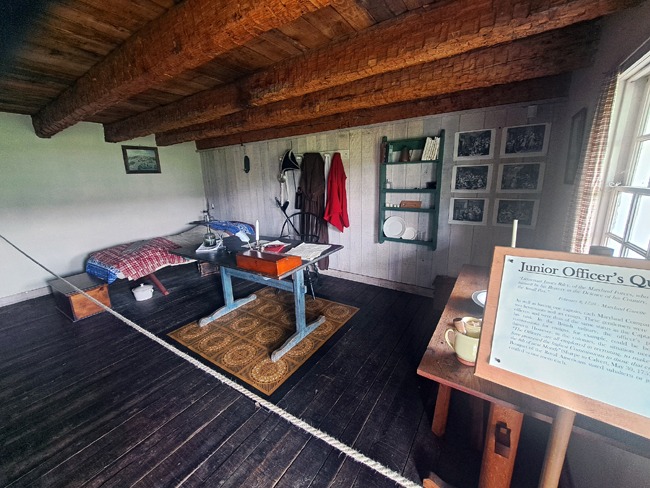
Fort Frederick State Park offered another layer of that early American story — a well-preserved stone fort from the French and Indian War era that speaks to the strategic importance of this corridor through the mountains. Walking within its walls, seeing the recreated chambers and watching the re-enactors was a lot of fun, but the musket demonstration was my favorite part.
The Hagerstown Aviation Museum provided a vivid leap forward in time — an impressive collection of aircraft spanning all eras of flight, housed with evident pride and genuine curatorial care. Lunch at Buddy Lou’s Eats, Drinks and Antiques offered a view of the famous C&O Canal and a collection of antiques that piqued interest. The canal, which once connected the Chesapeake with the Ohio River valley, was filled with blooming lilies, a picturesque testament to American ambition.
Dinner at Veva’s on Potomac was a perfectly paired grilled chicken and crabcake smothered in tasty gravy, and was preceded by a tour of the Meinelschmidt Distillery and their exceptional small-batch bourbon. Our last evening was celebrated at Dracula’s Kitchen and Bar that tells its own version of the American story: immigrant owners who have built a multi-restaurant empire over 20-some-odd years through sheer will and kitchen craft. The American Dream, in other words, served with atmosphere.
Our host base, The Tru by Hilton Hagerstown, is ideally located near highways and the Valley Mall, as well as offering working nooks, smart design, and the kind of thoughtfulness that makes a business traveler feel genuinely considered rather than merely accommodated.
The American Dream, Twice
Two stops in Hagerstown embody the American Dream so completely that they deserve their own paragraph — their own chapter, really.
Meritus Park Stadium is the result of one man’s refusal to accept decline as destiny. Dan Spedden, the self-described American Dreamer behind the stadium’s rebuild, set out to fill what locals had taken to calling the “donut of despair” — a blighted zone at the heart of the city. The stadium that rose in its place is extraordinary: a sturdy, community-centered ball park that has become a point of civic pride and an economic catalyst. Standing in it, you feel less like a sports fan and more like a witness to an act of faith — faith in a city, in baseball, in the belief that if you build something beautiful, people will come.
And then there is Krumpe’s Do-Nuts. Three generations deep. The line that forms before the doors open marks not only a donut shop but also a landmark, a ritual, a chapter in the ongoing story of a family committed to doing one thing extraordinarily well. There is no shortcut at Krumpe’s, no franchise playbook, no pivot to digital-first strategy, just donuts, made by people who care, sold to people who line up early because they know that they are worth it. In an age of relentless disruption, Krumpe’s is a quiet act of resistance — and one of the most purely American things I encountered on the entire trip.
Maryland’s Enduring Promise
What Maryland offers the traveler is not spectacle for its own sake. It offers something rarer: authenticity. The crab really is that good. The baseball parks are really that beautiful. The family businesses really do have three generations behind the counter. The dreamer really did fill the donut of despair with something magnificent.
From Baltimore’s red brick streets to Hagerstown’s stadium lights, Maryland is a state where the American Dream keeps getting tested and keeps proving itself. Come for the crabcakes. Stay for everything else.


