

Canada
Meeting the wild horses of Sable Island
Article and photography by Jennifer Bain
Sable Island’s legendary wild horses are out for a stroll by the sea, tousled manes blowing in the wind as they search for beach pea and washed-up seaweed.
We’re as giddy to see the four of them as they are indifferent to the eight of us.
“This is a treat,” says Fred Stillman, director of Kattuk Expeditions. “We don’t always see them on the beach because they eat a lot of marram grass in the dunes. But we should move.”
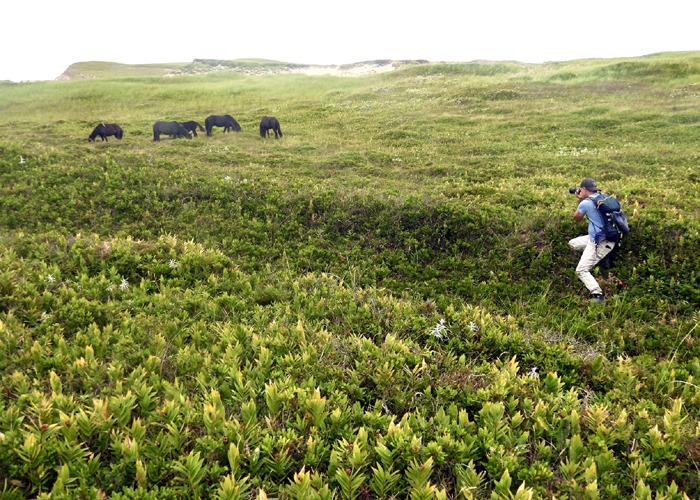
The key rule on Sable Island National Park Reserve is to stay at least 20 metres away from the horses and to move away if they approach. You can’t feed them, touch them or interact with them, just admire and photograph them from a respectful distance.
Some 400 horses call this crescent-shaped island of sand in the North Atlantic home.
They’re the undisputed stars of a wildlife show that includes the world’s largest breeding colony of grey seals, a smattering of harbour seals, rare Ipswich Sparrows and other birds, and even threatened sweat bees.
Sable Island is a true bucket-list Canadian experience, but it’s one that only a few hundred people experience each year because it’s 290 kilometres southeast of Halifax, Nova Scotia and expensive and challenging to visit.
Parks Canada only welcomes visitors between June to October, and briefly in January and February when it’s prime pupping season for those grey seals. Nature lovers arrive by air and sea when the wind and fog don’t stop them.
From Halifax, there’s a new five-day sailing charter but most people day trip by helicopter or fixed-wing plane. When the annual visitation climbs to 600, it’s because Adventure Canada and two other small expedition cruise lines have stopped by, anchoring a kilometre away and taking Zodiacs to shore.
Am I ever glad I chose to visit with Kattuk by helicopter instead of by fixed-wing plane. It’s pricier ($3,550 instead of $2,950) but more reliable thanks to two helipads. Planes must make beach landings, and those have been cancelled this week due to flooding.
Stillman has been guiding trips here since 2017. “It’s a beautiful place,” he enthuses. “I never get bored of it.”
My visit officially begins with a Parks Canada briefing from operations coordinator Kristina Penn who explains how Sable became a national park reserve in 2013, but how the horses are likely descended from Acadian stock brought here in the 1700s.
“Take advantage of the horse trails,” she urges. “Watch where you step because they poop where they walk, and feel free to roll around in the marram grass because there are no ticks on Sable Island.”
This vegetated sandbar is skinny — 1.3 kilometres at its widest point — but longer than expected at 42 kilometers.
Guided by Stillman, we roam eastern Sable in the morning and western Sable after lunch. We follow horse paths through the dunes and stroll down beaches under the watchful eyes of grey seals bobbing in the sea.
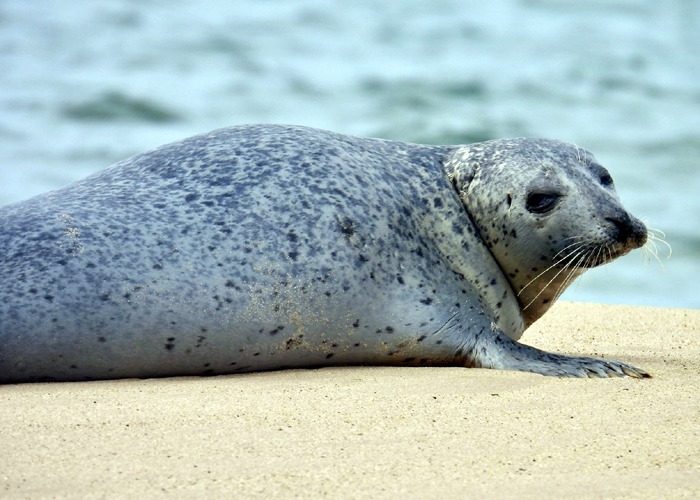
One creature stands out — a lone harbour seal who has hauled out on the beach and is easily photographed.
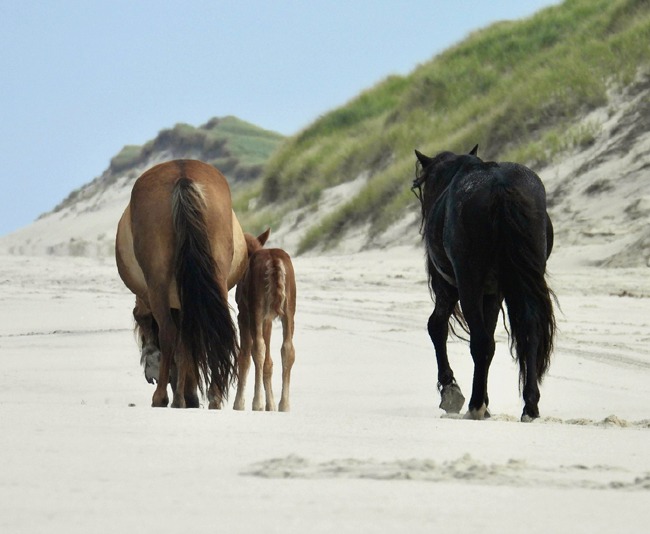
Two of many moments with the horses stand out. A mare, stallion and foal meander down the beach. Nearby, there’s a “horse highway” as dozens of horses in different bands visit freshwater ponds.
“Today’s special,” says Stillman when it’s finally time for the 70-minute flight back to the mainland. “If we had to check boxes on a tour, we got every single thing today.”


