

France
Toulouse: Where Medieval Streets Meet the Future
Article and photography by Judi Cohen (Traveling Judi)
The first clue about Toulouse came somewhere over the Atlantic. On my Air Canada flight from Montreal, the gentleman beside me introduced himself as an Airbus engineer. He regularly commuted between Montreal and Toulouse, part of a steady flow of engineers moving between two of the world’s leading aerospace hubs.
The conversation immediately drew me in. Before becoming a travel writer, I spent 35 years in engineering consulting and transportation planning, working on major infrastructure projects, including several connected to aviation. It didn’t take long before we were swapping stories about aviation instead of discussing holiday plans. By the time we landed, I already knew Toulouse was much more than just another beautiful city.
The first thing I noticed was its colour.
The old city glows in soft shades of rose, its distinctive brick buildings changing with the light from dusty pink in the morning to deep copper by late afternoon. It is easy to understand why Toulouse earned the nickname La Ville Rose, the Pink City. Wandering its medieval streets, lively market squares and the Garonne River, I assumed I was discovering another charming historic city in southern France.
Then I noticed something curious. Whether we were chatting with our food guide, visiting the Canal du Midi, or touring La Cité de l’Espace, conversations kept circling back to engineering. At first the references seemed incidental. Our food guide casually mentioned his personal connection to Airbus. Someone else spoke about aircraft manufacturing. Before long, I realized aerospace wasn’t simply Toulouse’s biggest industry. It was woven into everyday life. That unexpected contrast became the defining theme of my week in Occitanie.
We based ourselves at Hotel Adagio La Grave, a stylish apartment hotel just steps from the historic centre, making it easy to explore Toulouse, while taking day trips to the Canal du Midi, Albi, Montauban and several smaller towns.
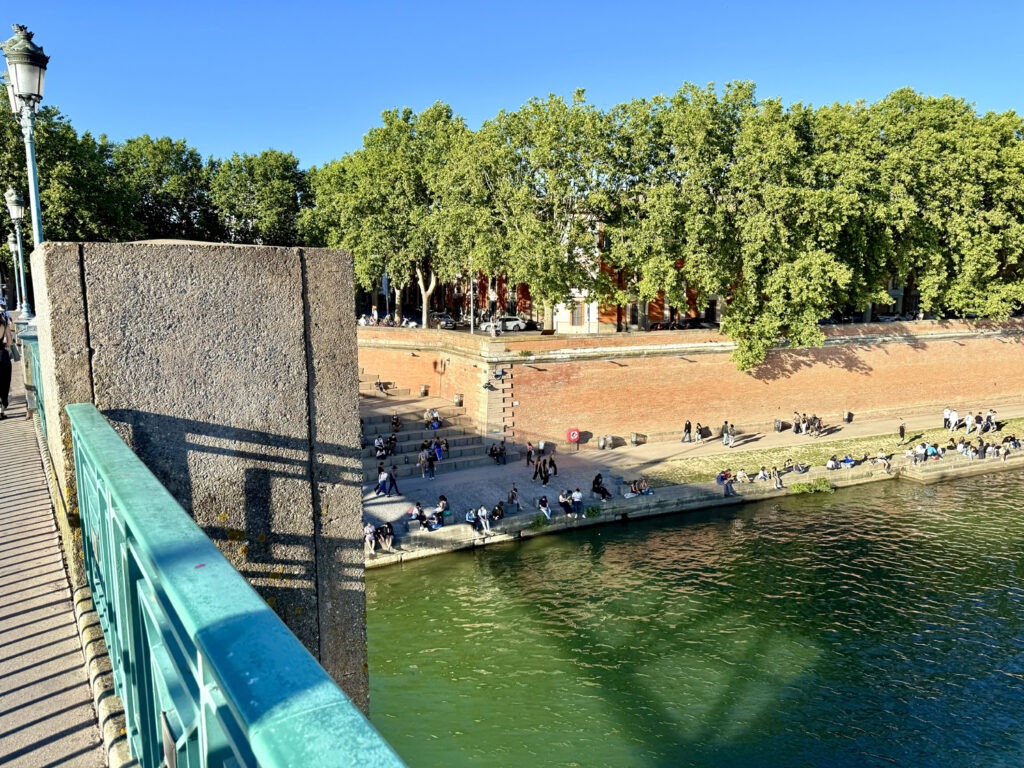
Toulouse has a magnetic quality that’s difficult to explain until you’ve spent time there. Its walkable historic centre is filled with cafés, wine bars, bakeries and restaurants tucked into elegant brick buildings. Every evening, Place du Capitole, Toulouse’s main square, and the streets leading toward the Garonne River filled with students, families and friends lingering over dinner long after sunset or picnicking by the river. One of my favourite rituals became crossing the Pont Neuf as the city glowed in the evening light.
Our visit coincided with Rio Loco, the city’s annual world music festival held along the Garonne. For several days, the Prairie des Filtres became a vibrant celebration of music, food and culture. It didn’t feel staged for visitors. It felt as though the city itself had moved outdoors.
One morning we joined the Toulouse Gourmet Tour, led by Chef Alejandro, and it turned out to be one of the best food tours I’ve experienced anywhere.
The four-hour tour featured six carefully selected stops, generous and countless stories. It was about understanding Toulouse through its food, history and people.
Alejandro explained that he had moved to Toulouse after his partner accepted a position with Airbus, another reminder of how deeply aerospace shapes the city. As we wandered through markets and neighbourhoods, he connected local architecture and centuries of history with every dish we tasted. A square wasn’t simply a square; it had a story. A market reflected generations of tradition, commerce and community. His storytelling transformed an excellent food tour into a fascinating introduction to the city itself.
We sampled regional cheeses, artisan charcuterie, foie gras and local wines while visiting passionate independent producers. I left understanding not only what the people of Toulouse eat, but why food plays such an important role in the region’s identity.
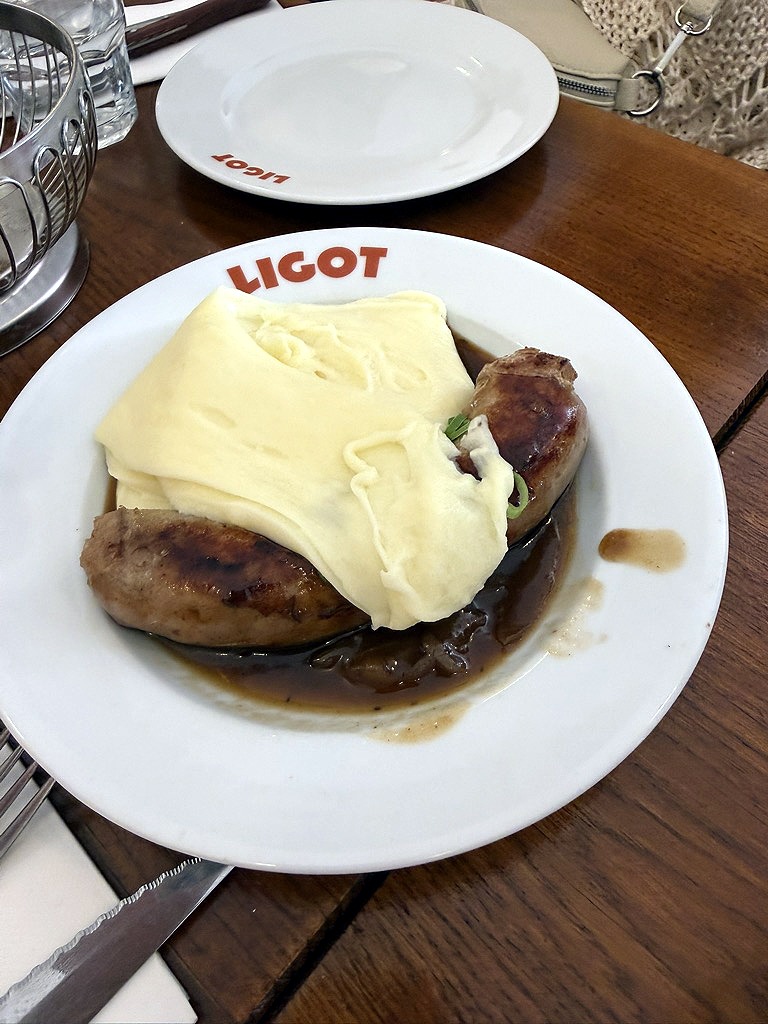
The dish I still think about is aligot, a blend of potatoes and fresh cheese whipped until impossibly smooth and stretchy. Served alongside a grilled Toulouse sausage, it arrived with theatrical flair as long ribbons of creamy aligot were lifted high above the table by our server then folded onto our plates.
The more I explored Toulouse, the more I understood why so many talented people choose to build their lives here.
Airbus is headquartered in Toulouse, where several of the world’s best-known commercial aircraft are assembled. Although the factories sit well beyond the historic centre, their influence reaches every corner of the city. Aerospace supports thousands of jobs while attracting students, researchers and engineers from around the world. Toulouse has become one of Europe’s leading centres for aeronautical education and innovation.
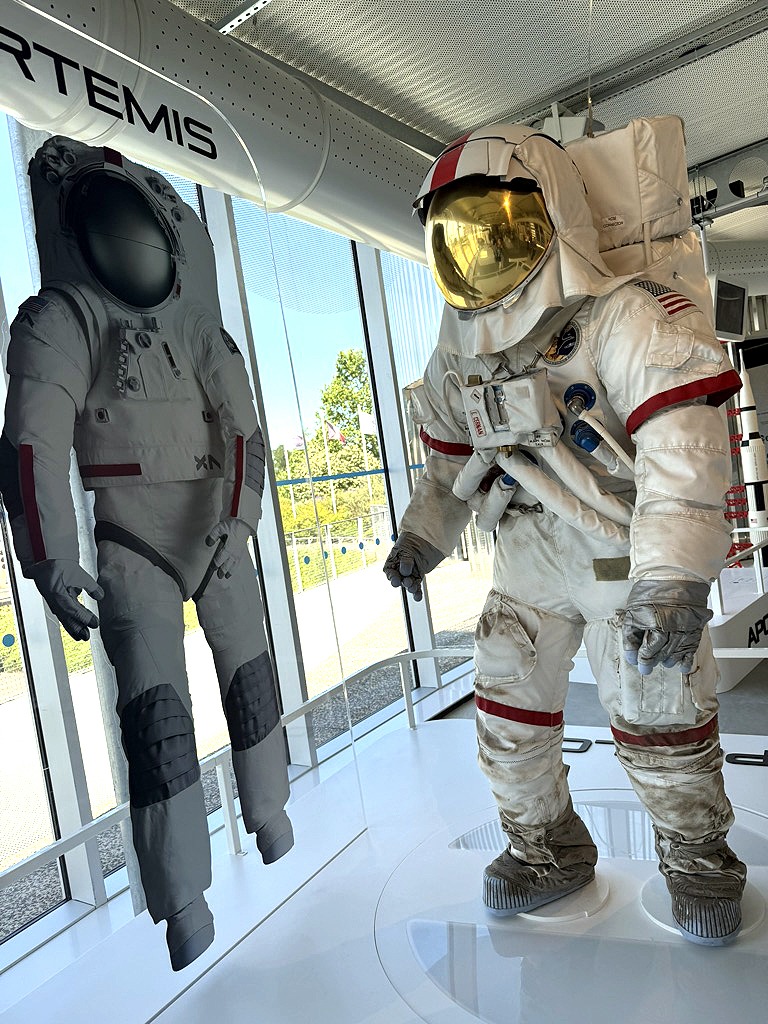
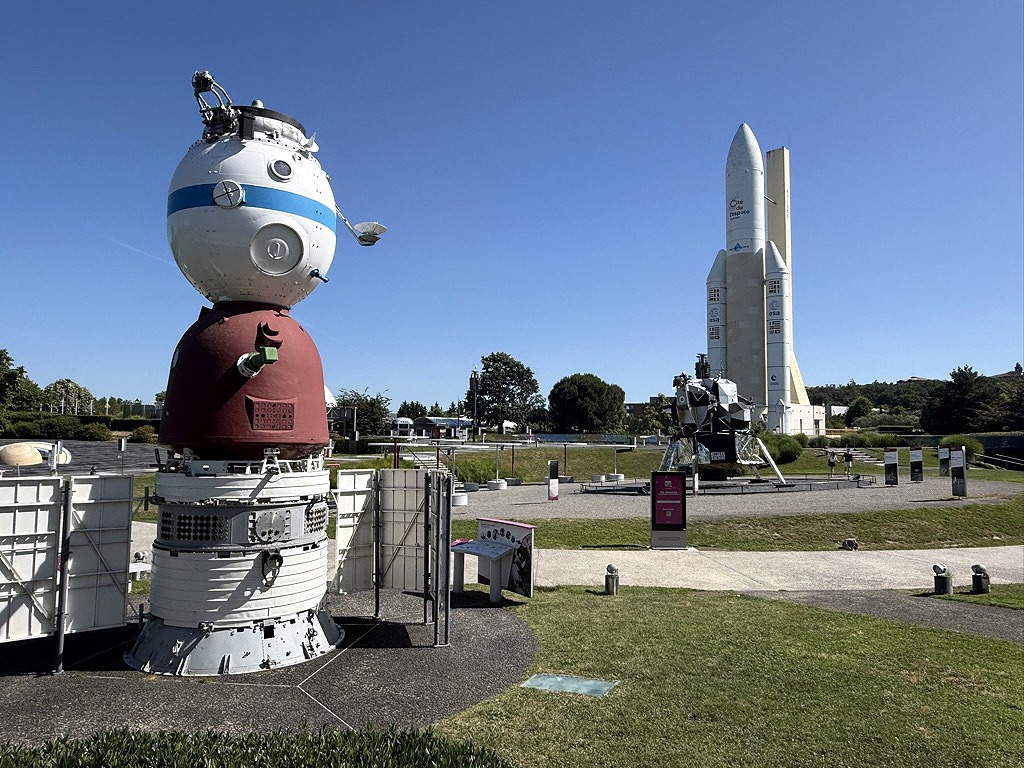
To better understand that connection, we spent part of a day at La Cité de l’Espace, Toulouse’s acclaimed space museum. Authentic space spacecraft, satellites and interactive exhibits bring space exploration to life. Standing beside a genuine moon rock made the history of space exploration feel unexpectedly tangible.
Visitors can experience astronaut training through immersive simulators, including recreating the sensation of weightlessness. I chose to watch rather than participate, but judging by the laughter as my friends emerged, it offered an entertaining glimpse into astronaut training. It struck me that Toulouse’s ambitions no longer stop with aircraft. Here, the future extends into space.
Yet the city’s fascination with flight began long before Airbus. Toulouse became a launching point for some of the earliest airmail routes across France and onward to North Africa and South America. Among the pioneering pilots was Antoine de Saint-Exupéry, whose experiences flying mail for Aeropostale Aviation between Toulouse and Dakar would later inspire his children’s book, The Little Prince. Long before giant passenger aircraft took shape on nearby assembly lines, Toulouse was already attracting visionaries willing to push beyond known horizons.
That same spirit of innovation is not limited to aviation. A short drive from the city lies one of France’s greatest engineering achievements: the Canal du Midi, recognized as a UNESCO World Heritage Site. Completed in the seventeenth century, the canal linked the Atlantic Ocean with the Mediterranean, transforming trade across southern France.
Having previously explored the canal aboard a six-night hotel barge cruise, what fascinated me most this time was the ingenious system that keeps the canal supplied with water. At the Reservoir Museum at Saint-Ferréol Lake, we learned how an intricate network of reservoirs and channels designed more than 300 years ago continues to keep the canal navigable.
Standing in the deep reservoir tunnel, I thought about the clear thread connecting the Canal du Midi, the pioneering aviators, today’s aerospace industry and tomorrow’s space exploration. Different centuries. Different technologies. The same determination to solve seemingly impossible problems.
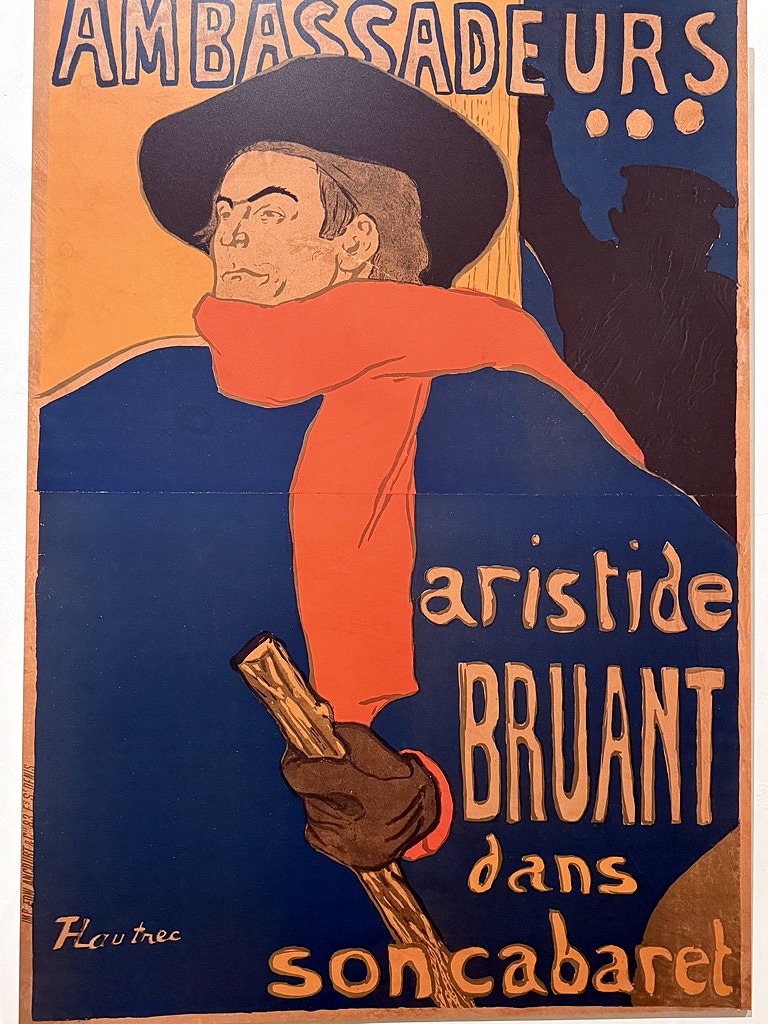
Another rewarding day trip took us to Albi, another UNESCO World Heritage Site dominated by the imposing brick Sainte-Cécile Cathedral which resembles a fortress more than a church. Nearby, the Toulouse-Lautrec Museum celebrates the life and work of the city’s famous artist, adding another layer to Occitanie’s rich cultural heritage.
By the end of the week, I realized these weren’t disconnected experiences but chapters of the same story. I had arrived expecting beautiful architecture, memorable food and a convenient base for exploring Occitanie.
I left with a far richer appreciation of a city shaped by centuries of innovation.
Rose-coloured bricks. Moon rocks. Jetliners. Canal locks.
Few cities can tell a story that stretches from seventeenth-century canal builders to pioneering aviators, from Airbus engineers designing tomorrow’s aircraft to the dream of space exploration.
Toulouse tells every one of those stories, making them feel like chapters of the same remarkable journey.


