

Zimbabwe & South Africa
Wild Waters: Tracing Africa’s Spirit from the Zambezi River to the Indian Ocean
by Olivia Liveng
There’s a particular kind of silence that falls on the Zambezi at dawn. Not the hush of stillness, but a reverent pause, as if the river itself is waiting for the world to wake up. In this predawn light, mist rises above dark water, herons lift like spirits, and the only other sound is the soft plop of a fish breaking the surface. Here in northern Zimbabwe, the river is a lifeline, carving a ribbon through wild bush and feeding a landscape older than memory.
The journey from the Zambezi River to the remote Maputaland coast of South Africa isn’t one that many travelers attempt. It’s a trip across two countries, over hundreds of kilometers, through landscapes that change so gradually—and then, so suddenly—that you’ll wonder if you’ve entered another world. But for the curious, the adventurous, and those with a taste for contrast, it’s one of Africa’s most rewarding overland routes. It’s a story of wild waters, shifting biomes, and the enduring connection between land and sea.
The River’s Heart
Most journeys here begin at Victoria Falls, where the world’s largest curtain of falling water roars into a chasm fringed with rainforest and rainbows. But leave the crowds behind, heading upriver, and you’ll discover a quieter stretch of the Zambezi. This is where the river breathes deeply, broadening into oxbow curves, and where islands like Tsowa seem to hover just above the current.
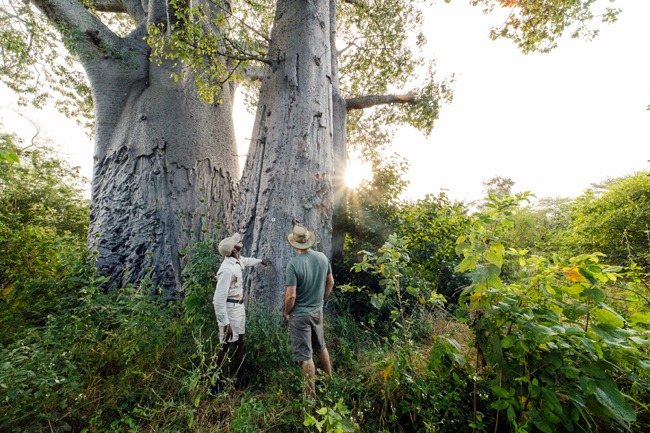
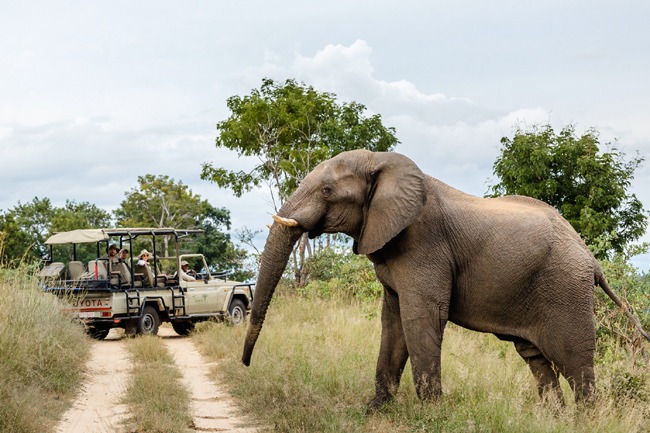
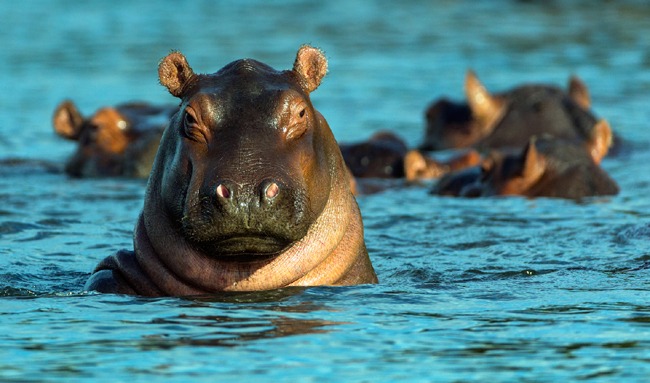
On the riverbanks, ancient baobabs keep silent watch. Crocodiles bask in the mud, and elephants step with surprising grace down to the shallows, sucking up water with their trunks. In the golden hour before dusk, the bush glows ochre and gold, and hippos begin their evening chorus—a low, bubbling laughter that seems to bounce off every ripple.
Days here move at river pace. You might start with a bush walk, shoes soaked in dew as your guide points out lion tracks pressed into the sand. Later, take a slow drift by boat past nesting bee-eaters, or just watch the light shift across the water from your tent’s shaded deck. There is time for listening, for learning the language of the river: the warning bark of a baboon, the steady buzz of cicadas, the faint splash of a distant fish eagle diving for its breakfast.
The Zambezi’s draw isn’t just the wildlife, but the sense that you are part of something ancient and vast. There’s humility in sharing space with elephants and knowing the same water here will one day rush out to sea, hundreds of miles away.
Where to Stay
Tsowa Safari Island, Zambezi River, Zimbabwe
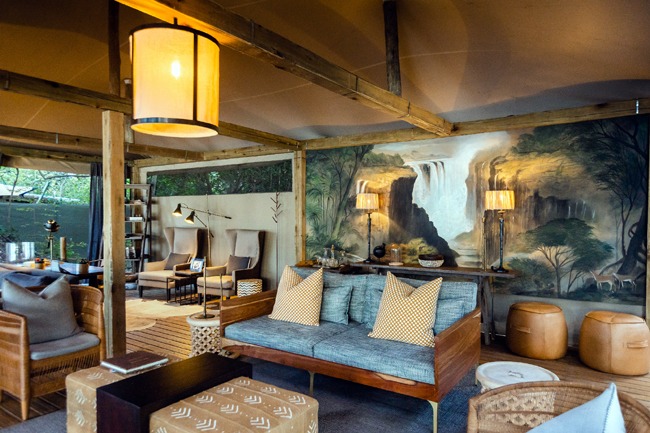
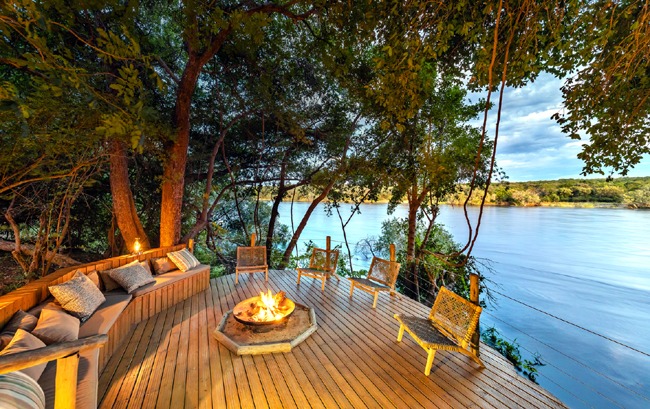
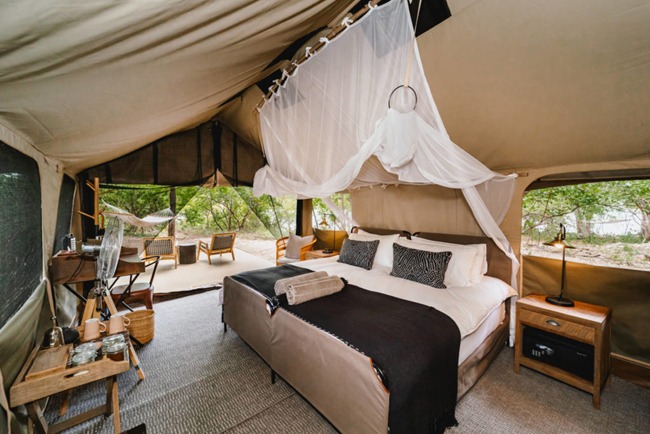
Set on a private island in the Zambezi, Tsowa Safari Island offers eight tented suites with views straight onto the river, indoor/outdoor showers, and just the right amount of luxury. Activities include guided walks, game drives in Zambezi National Park, boat cruises, and sundowners in the sand. The intimate size and island setting mean wildlife comes to you—expect elephants in the shallows and bushbuck grazing near your deck.
The Passage: Shifting Worlds
Leaving the Zambezi, the road eastward carries you out of Zimbabwe and across the border into South Africa’s KwaZulu-Natal. The journey is a study in transformation. Savannah gives way to thornveld, which softens into sugarcane fields and then, almost imperceptibly, into coastal forest. The air changes, too, growing heavier and salt-laced as you near the Indian Ocean.
Somewhere in the journey—often along a red-dirt road threading through eucalyptus and banana trees—the tempo of life shifts. The landscape is greener, the skies bigger, and the ocean is always just over the next rise. The Maputaland coast is a part of South Africa that feels almost hidden from the world, protected by miles of wild dunes and the vast iSimangaliso Wetland Park, a UNESCO World Heritage Site where rhinos roam and ancient lakes mirror the sky.
The Ocean’s Edge
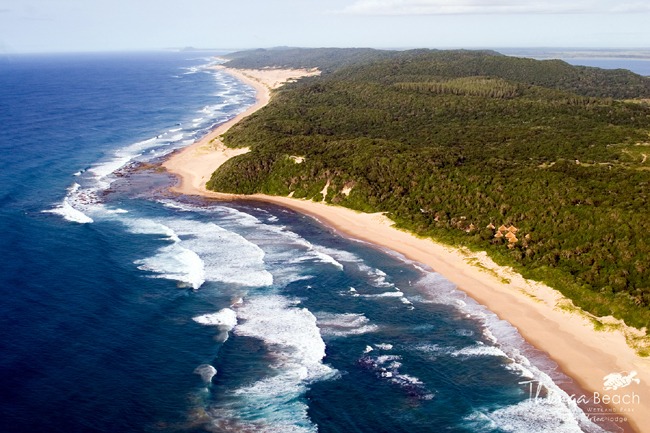
The first view of Mabibi Beach is unforgettable. The dunes rise and fall in gentle arcs, grass-topped and golden, and then, suddenly, you see it: a sweep of white sand rolling down to water that is impossibly blue. This is the Indian Ocean at its most pristine—warm, clear, and empty except for the occasional fisherman poling his wooden dhow through the surf.
Here, the bush and the sea seem to merge. Forest trails wind down to the sand, shaded by milkwood and wild fig. Step into the ocean and you’ll discover coral reefs alive with butterflyfish, parrotfish, and, if you’re lucky, a turtle or two gliding by with prehistoric calm.
The rhythm of life is elemental. Sunrise brings the tracks of loggerhead and leatherback turtles, who nest on these beaches in summer. At dusk, fireflies gather in the forest and the sky comes alive with stars so dense they cast shadows on the sand.
Beyond the beach, the wetlands stretch inland—a mosaic of papyrus swamps, clear lakes, and fever-tree forests. Lake Sibaya, the largest freshwater lake in South Africa, reflects every nuance of the sky, and its reed beds are alive with hippos and kingfishers. The sense of remoteness here is profound; you might go days without seeing another soul beyond the staff and a handful of other guests, all drawn by the promise of raw nature.
Thonga Beach Lodge, Maputaland Coast, South Africa
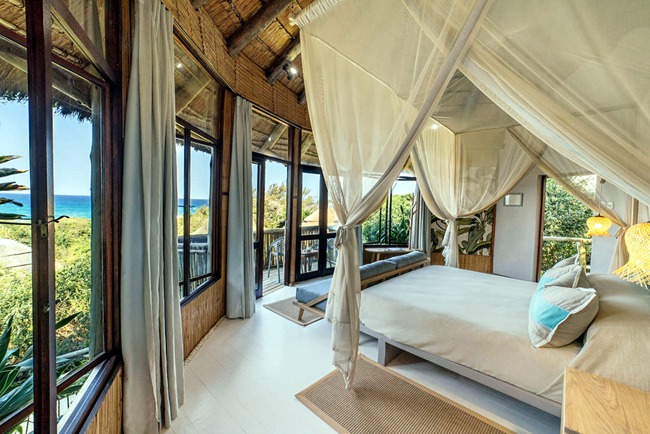
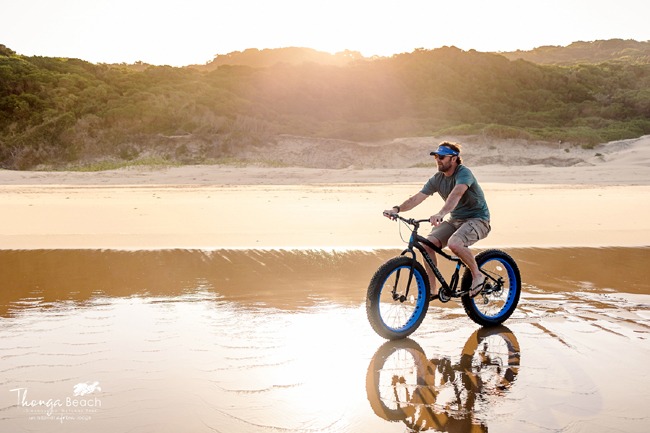
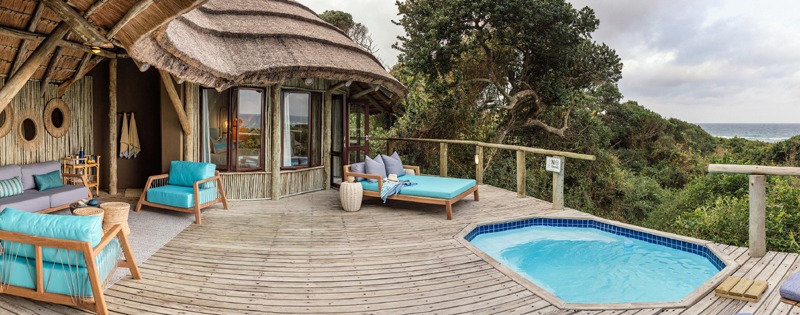
Hidden in the coastal dune forest of iSimangaliso Wetland Park, Thonga Beach Lodge is as close as it gets to castaway luxury. Thatched and stilted suites blend into the forest, each with a private deck and sweeping views. The lodge is famed for its turtle tracking excursions (in season), world-class snorkeling and diving, and warm Zulu hospitality. It’s the sort of place where the days drift by with the tides—walks on empty beaches, lazy afternoons in the shade, and dinners by lantern light.
Conservation and Community
What ties these two wild places together—beyond the fact that you can visit both in one journey—is a shared ethos of stewardship. In both the Zambezi heartland and the Maputaland coast, lodges collaborate closely with local communities and park authorities to ensure that wildlife and people can coexist in harmony. Whether it’s supporting anti-poaching efforts along the Zambezi or sponsoring turtle monitoring projects on the coast, tourism here is an engine for conservation.
There’s a sense, as you watch the sun sink behind the baobabs or wade into the surf at dusk, that you are part of something bigger. Here, in Africa’s wild waters, you find not only a journey through place but a journey through time—a chance to touch the world as it once was, and as it could still be.
Visit: www.tsowasafariisland.co.za


